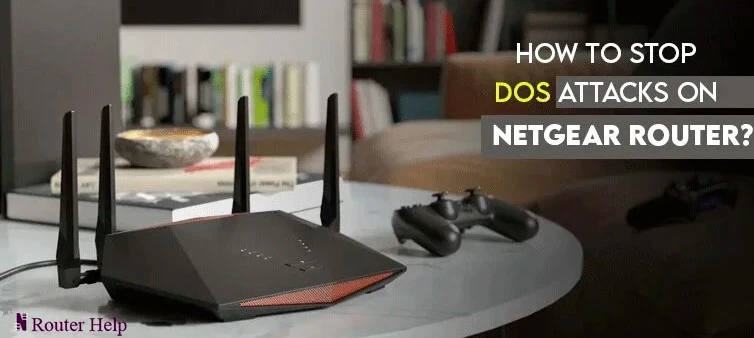

In today’s interconnected world, network security is of utmost importance. Distributed Netgear Denial of Service attacks pose a significant threat to routers, including those manufactured by Netgear. DDoS attacks overwhelm the router’s resources, making it unable to handle legitimate traffic.
This article provides an in-depth guide on how to stop DDoS attacks on a Netgear router, safeguarding your network from potential disruptions and security breaches.
Understanding DDoS Attacks
DDoS attacks are orchestrated attempts to overload a network or system with an immense amount of traffic from multiple sources.
Attackers exploit vulnerabilities in routers to flood the network, rendering it inaccessible to legitimate users. This can result in severe consequences, including downtime, financial losses, and compromised security.
Recognizing DDoS Attack Symptoms
Identifying signs of a DDoS attack is crucial for prompt action. Some common symptoms include:
Sluggish network performanceUnusually high network trafficFrequent router reboots or crashesInability to access certain websites or servicesUnresponsive or slow internet connectionSteps to Stop DDoS Attacks on Netgear Router
Follow these steps to protect your Netgear router from DDoS attacks:
Step 1: Ensure Firmware is Up to Date
Keeping your router’s firmware updated is essential for addressing security vulnerabilities. Regularly check for firmware updates on Netgear’s official website or through the router’s admin panel. Update the firmware as instructed to patch any known security issues.
Step 2: Configure Network Traffic Analysis
Netgear routers offer built-in features to analyze network traffic. Enable traffic analysis in the router’s settings to monitor incoming and outgoing traffic patterns. This helps identify anomalies and potential DDoS attacks.
Step 3: Enable DoS Protection
Netgear routers come with Denial of Service (DoS) protection features. Enable this feature in the router’s settings to safeguard against common DoS and DDoS attacks. disable port scan and dos protection helps mitigate the impact of attacks by limiting excessive traffic and blocking malicious sources.
Step 4: Set Up Access Control List (ACL)
Access Control List (ACL) allows you to define rules for inbound and outbound traffic. Configure ACL settings to restrict access from suspicious or unknown IP addresses. Whitelist trusted sources and block suspicious IPs to reduce the risk of DDoS attacks.
Step 5: Enable Port Filtering
Netgear routers allow port filtering, which enables you to control incoming and outgoing traffic based on specific port numbers. Configure port filtering settings to restrict unnecessary ports and limit potential attack vectors.
Step 6: Use a Firewall
Enable the firewall feature available in Netgear routers to add an extra layer of protection. The firewall monitors and filters network traffic, blocking unauthorized access attempts and potential DDoS attack traffic.
Mitigating Future DDoS Attacks
While implementing the above steps significantly reduces the risk of DDoS attacks, additional measures can further enhance network security:
Implement Network Traffic Monitoring
Utilize network monitoring tools to track network traffic in real-time. These tools can help identify suspicious patterns, detect ongoing attacks, and allow proactive measures to mitigate potential DDoS threats.
Educate Users about Phishing and Malware
Educate network users about the risks of phishing emails and malware. Encourage safe browsing habits, such as avoiding suspicious links and downloads. A well-informed user base adds an additional layer of defense against DDoS attacks.
Consider a DDoS Protection Service
For organizations facing persistent and sophisticated DDoS attacks, consider subscribing to a DDoS protection service. These services employ advanced mitigation techniques, leveraging large-scale infrastructure to filter out attack traffic before it reaches your network.
Conclusion
Protecting your Netgear router from DDoS attacks is crucial to ensure uninterrupted network access and safeguard sensitive information.
By following the steps outlined in this article and staying vigilant about network security, you can significantly reduce the risk of falling victim to DDoS attacks.
Implementing preventive measures, updating firmware, and educating users will help create a more secure network environment. Stay proactive, stay informed, and safeguard your network from DDoS threats.























Sign in to leave a comment.