

Many parents notice their child grinding their teeth at night, a condition known as bruxism. While it’s common in children and often harmless, frequent grinding can cause jaw pain, tooth wear, headaches, or even sleep disruption. Understanding why it happens and learning effective ways to manage it can help protect your child’s oral health and ensure better sleep for the whole family.
Why Kids Grind Their Teeth
Parents often wonder how to stop kids grinding teeth in sleep, and the answer usually depends on identifying the underlying cause. Teeth grinding in children can occur for several reasons:
- Stress or Anxiety: School pressures, social situations, or emotional stress can trigger nighttime grinding.
- Teething or Tooth Development: Growing and shifting teeth can lead to grinding as the jaw adjusts.
- Misaligned Bite: Uneven teeth or jaw positioning may contribute to bruxism.
- Sleep Disorders: Conditions like sleep apnea or snoring can increase nighttime grinding.
- Habitual Behavior: Sometimes children develop the habit without an underlying medical cause.
Most kids eventually outgrow bruxism, but it’s important to monitor symptoms to prevent complications such as enamel wear or jaw discomfort.
Signs Your Child Is Grinding Teeth
Parents can look for the following indicators of teeth grinding:
- Audible grinding or squeaking sounds during sleep
- Jaw pain, facial soreness, or headaches
- Worn, chipped, or flattened teeth
- Tooth sensitivity to hot or cold foods
- Disturbed sleep patterns or restlessness at night
Keeping a sleep diary can help track when grinding occurs and provide valuable information for a dentist.
Effective Ways to Stop Kids Grinding Teeth in Sleep
1. Reduce Stress and Anxiety
Helping your child relax before bedtime can reduce nighttime grinding. Establish calming bedtime routines, encourage deep breathing, reading, or quiet play, and limit screen time close to bedtime to promote relaxation.
2. Maintain a Consistent Sleep Schedule
A regular sleep schedule ensures children get adequate rest. Fatigue can worsen bruxism, so ensuring they go to bed and wake up at consistent times may help reduce grinding.
3. Correct Bite or Jaw Issues
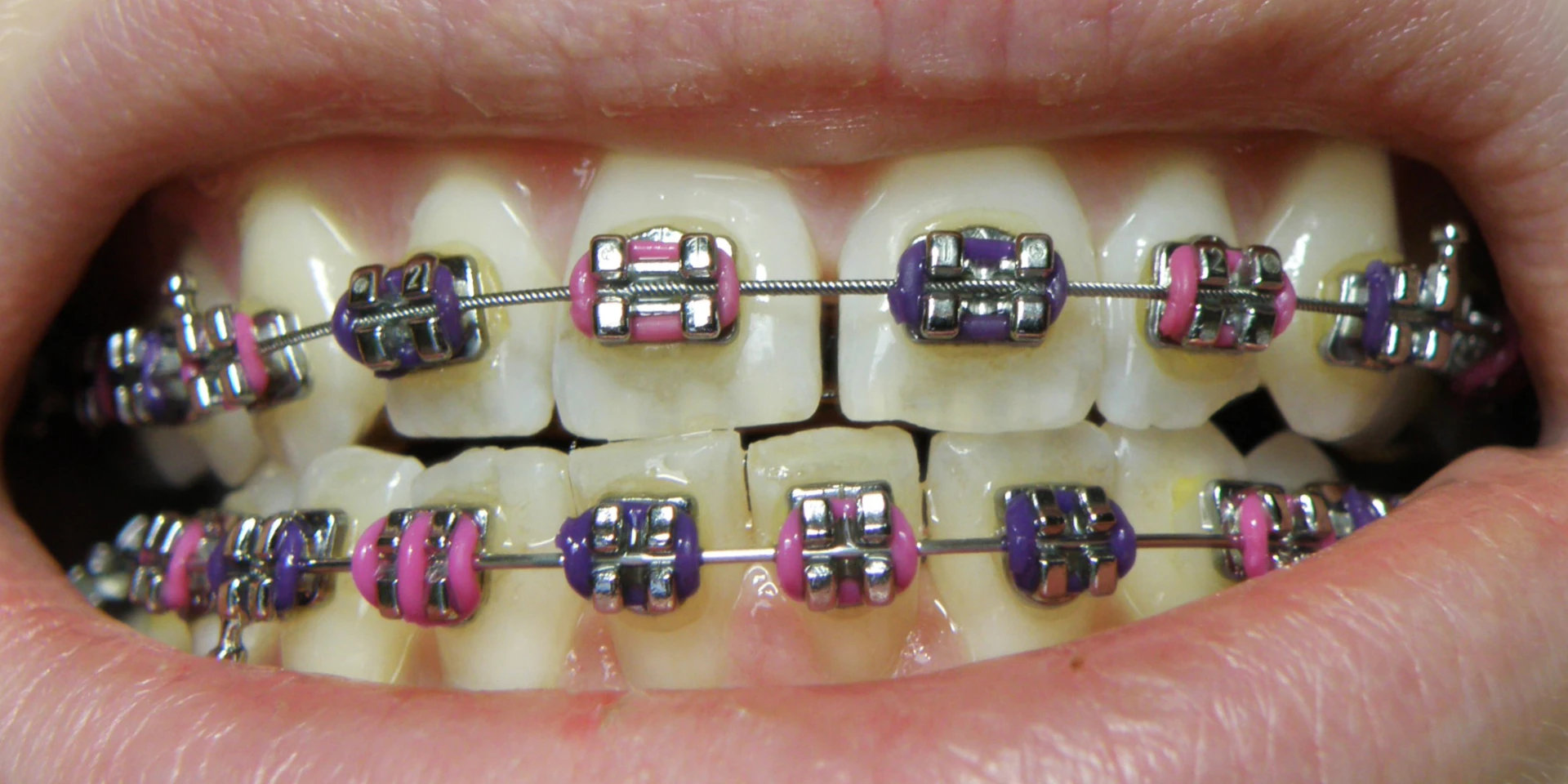
If bruxism is caused by misaligned teeth or jaw development, a pediatric dentist may recommend orthodontic evaluation. Correcting alignment can reduce grinding over time and support healthy jaw growth.
4. Use a Protective Nightguard
In some cases, a custom-made nightguard can protect teeth from damage. This should always be fitted by a dentist to ensure comfort and safety for children. Nightguards can also reduce jaw muscle strain and prevent long-term wear on teeth.
5. Monitor Diet and Habits
Limiting caffeine (chocolate, soda) and encouraging relaxation before bed can reduce the likelihood of teeth grinding. Avoiding hard or sticky foods at night may also help. Encouraging healthy chewing habits during the day, like eating softer foods, can reduce jaw tension at night.
When to See a Pediatric Dentist
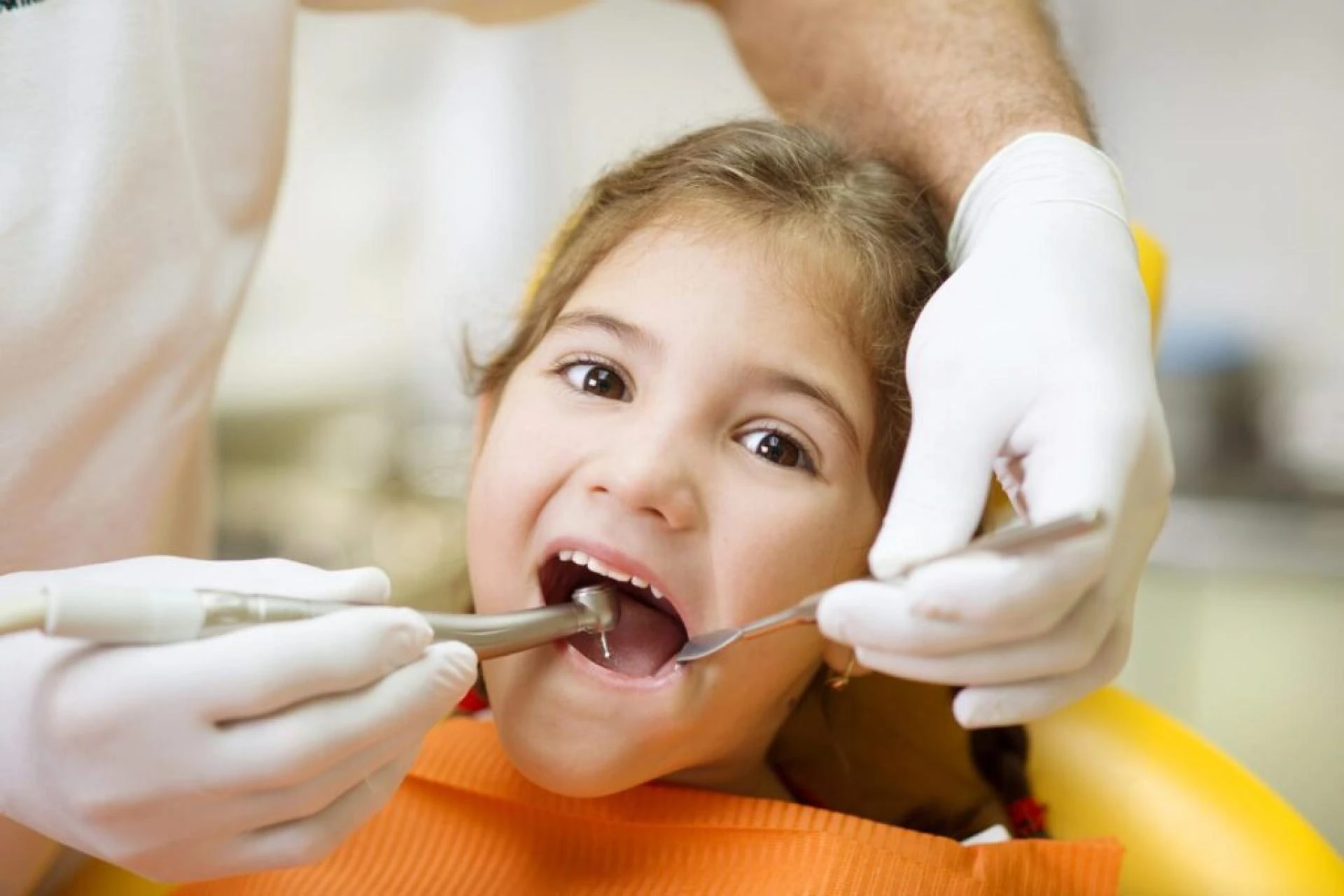
While occasional teeth grinding is common and often harmless, persistent bruxism requires professional evaluation. A pediatric dentist can:
- Examine teeth for wear or damage
- Identify underlying causes like misalignment or sleep disorders
- Recommend nightguards or other interventions
- Provide guidance for stress management and habit control
Early intervention helps prevent long-term dental problems, including enamel erosion and TMJ discomfort, ensuring your child maintains healthy teeth and gums.
Conclusion
Teeth grinding in children is common, but frequent grinding can lead to discomfort, tooth damage, and disrupted sleep. Understanding the causes and recognizing the signs allows parents to take effective steps. Strategies like stress reduction, consistent sleep routines, proper dental evaluation, and pediatric dental interventions can help stop kids grinding teeth in sleep. Trusted dental providers, such as Beach Cities Dental Group, can evaluate your child’s bruxism, provide customized nightguards, and recommend safe, effective solutions to protect their developing smile. With proper guidance, parents can help their children sleep soundly while maintaining healthy teeth and jaw function.


Sign in to leave a comment.