
A beautiful smile can transform your appearance, boost confidence, and leave a lasting impression in both personal and professional settings. Many people struggle with dental imperfections such as chipped, stained, or misaligned teeth, which can impact self-esteem and overall oral aesthetics. Modern cosmetic dentistry offers a wide range of solutions to address these concerns, and one of the most effective options is dental veneers. This minimally invasive treatment provides a lasting, natural-looking improvement that enhances your smile effortlessly.
Understanding the Basics: What Are Dental Veneers?
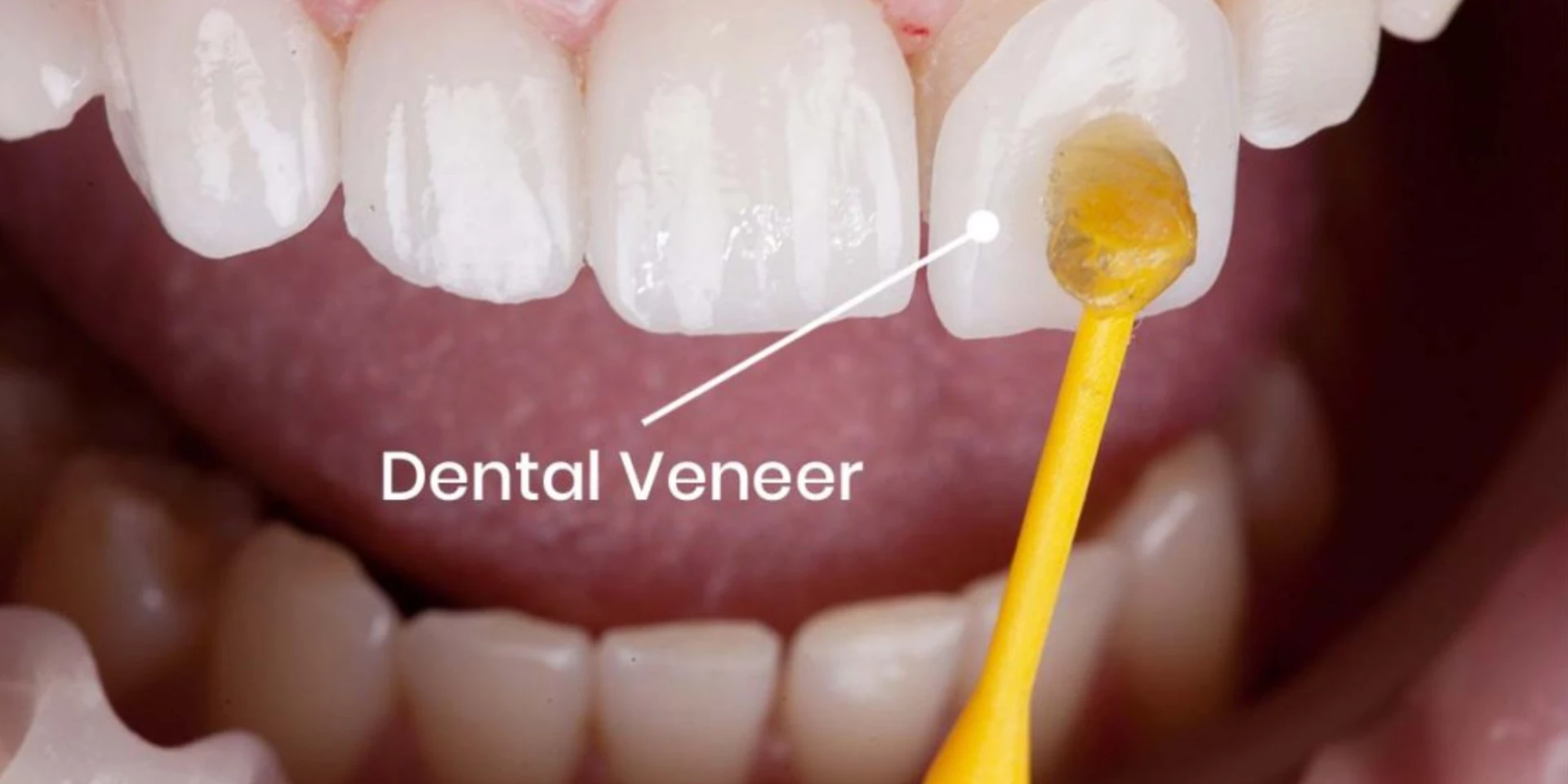
What are dental veneers? Dental veneers are thin, custom-crafted shells made from high-quality materials such as porcelain or composite resin. These shells are designed to cover the front surfaces of your teeth, improving their shape, color, size, and overall appearance. Veneers are tailored to match your natural teeth, providing a seamless, aesthetically pleasing result that looks and feels natural.
Veneers can correct a wide range of dental imperfections, including chips, cracks, gaps, discoloration, worn-down teeth, and minor misalignments. Unlike crowns, which cover the entire tooth and are often used for structural repair, veneers focus on cosmetic enhancement while preserving most of your natural tooth structure. They are durable, stain-resistant, and designed to last many years with proper care, making them a long-term investment in your smile.
Types of Dental Veneers
There are two main types of dental veneers, each with distinct benefits:
Porcelain Veneers
Porcelain veneers are highly durable and provide a natural translucency that closely mimics the look of real teeth. They are custom-made in a dental lab to fit your teeth precisely, ensuring a flawless, uniform appearance. Porcelain veneers are more resistant to stains compared to composite resin veneers, making them ideal for long-term use.
Composite Resin Veneers
Composite resin veneers are typically applied directly to the teeth in a single visit. While slightly less durable and more prone to staining than porcelain veneers, they are a cost-effective option for patients seeking cosmetic improvement quickly. Composite veneers can be easily repaired or adjusted, making them versatile for minor enhancements.
Who Can Benefit from Dental Veneers?
Dental veneers are suitable for a wide range of patients looking to improve their smiles. Ideal candidates include those with:
- Chipped, cracked, or broken teeth
- Gaps or spaces between teeth
- Discolored or stained teeth that do not respond to whitening
- Uneven, worn-down, or irregularly shaped teeth
- Minor misalignments or crooked teeth
Before proceeding with veneers, a dentist will evaluate your oral health to ensure you have healthy teeth and gums. Veneers may not be suitable for individuals with severe decay, untreated gum disease, or significant bite issues. A comprehensive consultation is essential to determine the best treatment plan tailored to your needs.
The Dental Veneer Procedure
The process of getting dental veneers typically involves several steps to ensure precision and optimal results:
Consultation and Smile Assessment
The first step is a consultation with your cosmetic dentist, where your smile goals, dental concerns, and expectations are discussed. Advanced imaging and digital smile design technology may be used to create a preview of your potential results, allowing you to visualize the final outcome before treatment begins.
Tooth Preparation
For traditional porcelain veneers, a small amount of enamel may be removed from the front surface of the teeth to allow for proper placement. Composite veneers often require little to no enamel removal, making them less invasive. The dentist ensures that the teeth are carefully shaped to accommodate the veneers for a perfect fit.
Veneer Fabrication
Porcelain veneers are custom-made in a dental lab based on impressions or digital scans of your teeth. This ensures a precise fit and natural appearance. Composite resin veneers, on the other hand, are typically applied directly to the teeth in a single visit and shaped by the dentist.
Placement and Bonding
Once the veneers are ready, the dentist bonds them securely to the teeth using a strong adhesive. Minor adjustments are made to ensure alignment, bite, and comfort. The result is a smooth, natural-looking smile that enhances your facial aesthetics.
Benefits of Dental Veneers
Dental veneers offer numerous advantages that make them one of the most popular cosmetic dental treatments:
- Natural Appearance: Veneers closely mimic the color, shape, and translucency of natural teeth.
- Durability: High-quality materials provide long-lasting results resistant to chips and stains.
- Minimally Invasive: Less tooth structure is removed compared to other treatments like crowns.
- Customizable: Each veneer is tailored to fit your smile and facial features.
- Boosts Confidence: A flawless smile can enhance self-esteem and overall confidence.
Caring for Your Veneers
Proper care is essential to maintain the longevity and beauty of your dental veneers. Recommended practices include:
- Brushing twice daily with a non-abrasive toothpaste
- Flossing daily to prevent gum disease and plaque buildup
- Avoiding biting on hard objects such as ice, pens, or fingernails
- Limiting consumption of staining foods and drinks like coffee, tea, and red wine
- Regular dental check-ups for professional cleaning and inspection
With appropriate care, veneers can last 10–15 years or more, providing a reliable and aesthetically pleasing solution for your smile.
Common Questions About Dental Veneers
Q: Are dental veneers painful?
A: The procedure is generally comfortable. Local anesthesia is often used to minimize any discomfort during tooth preparation.
Q: How long do dental veneers last?
A: With proper care, veneers can last many years, often a decade or more.
Q: Can veneers damage my natural teeth?
A: Veneers require minimal enamel removal. When performed by an experienced dentist, your teeth remain healthy and protected.
Q: Can veneers fall off?
A: Veneers are securely bonded, but it’s important to avoid habits like biting hard objects to prevent damage.
Why Choose Dental Veneers?
Dental veneers provide a versatile, long-lasting, and aesthetically pleasing solution for individuals looking to improve their smile. They offer a predictable, minimally invasive approach to address multiple cosmetic concerns at once, creating a balanced, radiant, and natural-looking smile.
For those seeking professional expertise and exceptional cosmetic results, the Beach Cities Dental Group offers personalized dental veneer treatments that are tailored to each patient’s unique smile goals. Their experienced team ensures precision, comfort, and a smile you can be proud of for years to come.




























Sign in to leave a comment.