
Every makeup enthusiast has experienced that sinking feeling: you've just perfected your foundation, contoured your cheekbones, and applied the ideal shade of lipstick, only to pull your shirt over your head and discover makeup smudges across your collar. Makeup transfer on clothes is one of the most frustrating beauty mishaps, but fortunately, there are numerous effective strategies to prevent this common problem.
Understanding Makeup Transfer Prevention
Makeup transfer occurs when cosmetic products haven't fully set or when friction causes them to rub off onto fabric. This typically happens during the most vulnerable moment—when you're changing clothes after applying your makeup. The solution involves both proper makeup application techniques and using the right protective tools.
The Power of Setting Your Makeup
One of the most effective methods for makeup transfer prevention is ensuring your products are properly set. After applying foundation, concealer, and other base products, allow them a few minutes to settle into your skin. Then, use a high-quality setting powder to lock everything in place. Focus particularly on areas that come into contact with clothing, such as your forehead, jawline, and neck.
Setting spray provides an additional layer of makeup protection. Hold the bottle about 8-10 inches from your face and mist in an "X" and "T" pattern. This creates a protective barrier that helps your makeup stay put while significantly reducing transfer potential.
Choosing Transfer-Resistant Formulas
Not all makeup products are created equal when it comes to staying power. Long-wear and transfer-resistant formulas are specifically designed to minimize movement. Look for foundations labeled as "long-lasting" or "transfer-proof," and opt for liquid lipsticks or lip stains instead of traditional creamy lipsticks. These products contain ingredients that help them adhere better to skin, providing built-in makeup protection for clothes.
Powder-based products generally transfer less than cream formulas. If you're particularly concerned about makeup staining your garments, consider switching to powder blush, bronzer, and highlighter rather than their cream counterparts.
The Game-Changing Makeup Hood Solution
Perhaps the most innovative solution for preventing makeup transfer is using a makeup hood protector. This specialized accessory has revolutionized the way people change clothes after applying cosmetics.
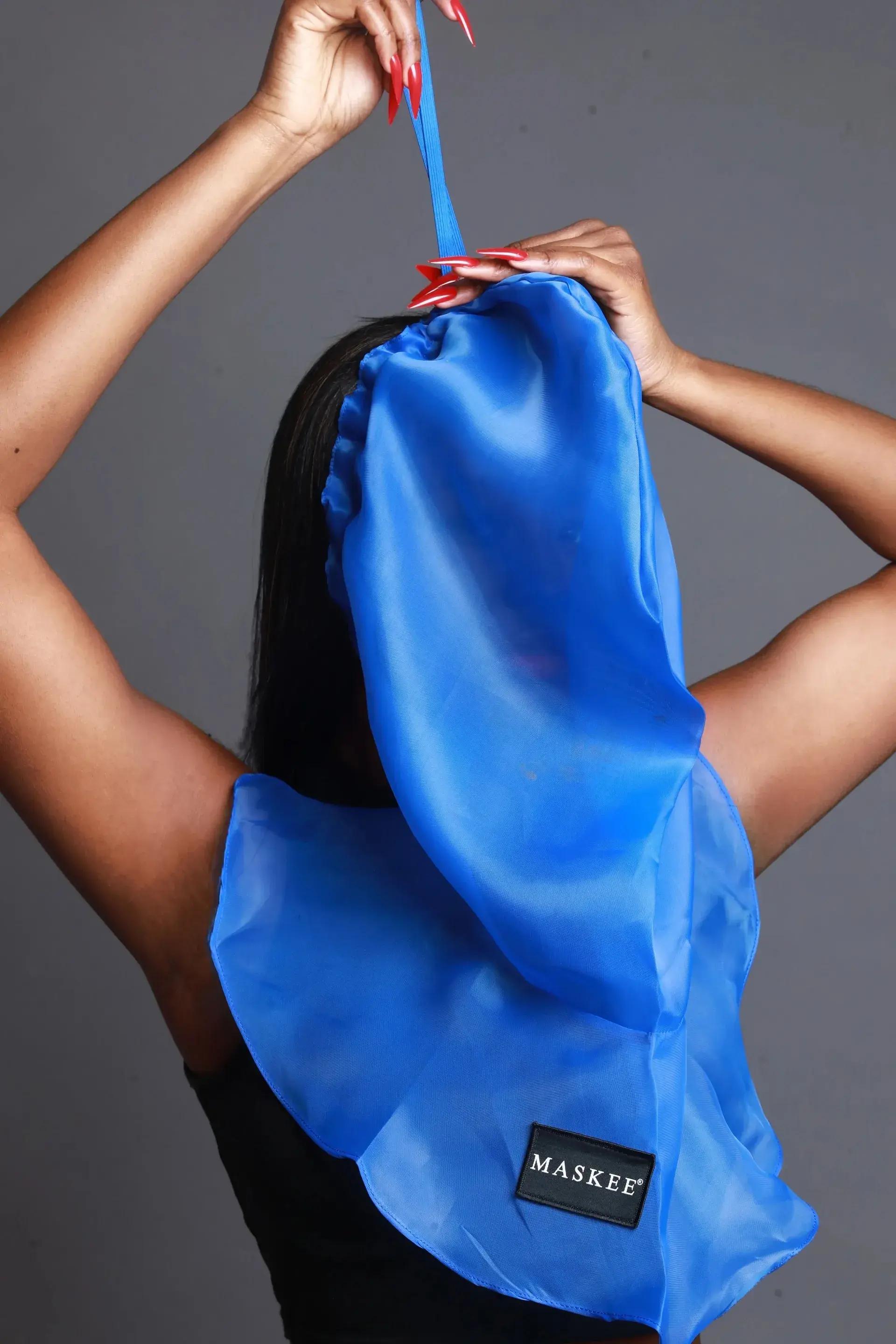
A makeup hood for dressing is a simple yet ingenious invention—a protective covering that shields your face while you pull clothing over your head. The makeup protection hood creates a barrier between your freshly applied cosmetics and your garments, ensuring neither your makeup nor your clothes get ruined in the process.
When shopping for a hood to protect makeup, look for options made from soft, non-abrasive materials that won't disturb your finished look. Many makeup hood protectors feature elastic edges that secure comfortably around your face while providing complete coverage. Some even come with handles or tabs that make them easy to hold in place while dressing.
The makeup hood for changing clothes is particularly valuable for professionals in the beauty industry, brides getting ready for their wedding day, or anyone wearing special occasion clothing. It eliminates the anxiety of that critical moment when fabric meets foundation.
Practical Techniques for Dressing Without Disaster
Beyond using a makeup protection hood, there are several practical techniques you can employ. Always dress before applying makeup when possible, or at least put on any pullover garments before starting your beauty routine. If you must dress after makeup application, consider these strategies:
Button-up shirts and tops are your best friends for makeup transfer prevention. They eliminate the need to pull anything over your face. If you're wearing a dress or top without buttons, step into it from the bottom up rather than pulling it over your head whenever the design allows.
When you must pull clothing over your head, move slowly and deliberately. Stretch the neck opening as wide as possible before attempting to pass your face through. Some people find it helpful to cover their face with tissue paper or a clean cloth as an improvised form of makeup protection while dressing.
Protecting Your Neckline and Décolletage
Don't forget about makeup applied below your face. Many people extend foundation and bronzer down their neck and chest area, which can transfer onto collars and necklines. This area requires special attention for makeup protection for clothes.
After applying makeup to your neck and chest, use a large powder brush to apply translucent setting powder generously to these areas. Allow it to sit for a few minutes, then brush away the excess. This baking technique creates a transfer-resistant surface. You can also spritz setting spray onto these areas, taking care to protect your clothing during application.
For extra insurance, consider using a scarf or towel around your neckline until your makeup has completely set. This provides temporary makeup protection during the critical setting period.
The Timeline Matters
Timing plays a crucial role in preventing makeup transfer. Rushing through your routine increases the likelihood of smudging. If possible, complete your makeup at least 15-20 minutes before you need to get dressed. This allows adequate time for products to set and bond with your skin, creating natural makeup protection.
During this waiting period, focus on activities that keep you upright and relatively still—style your hair, organize your accessories, or check your messages. Avoid sweating or moving around excessively, as this can prevent proper setting.
Emergency Fixes and Stain Removal
Despite your best efforts, accidents happen. When makeup does transfer onto clothes, act quickly. For powder products, gently brush off the excess rather than rubbing, which can set the stain deeper. For liquid makeup, blot with a clean cloth—never rub.
Makeup remover wipes can often lift fresh makeup stains from fabric. Test on an inconspicuous area first, then gently dab at the stain. For more stubborn marks, apply a small amount of liquid dish soap diluted with water before laundering as usual.
Building Your Makeup Protection Arsenal
Creating a comprehensive approach to prevent makeup transfer involves having the right tools on hand. Stock your beauty area with setting powder, setting spray, a large powder brush for generous application, and quality makeup remover wipes for quick cleanups. Most importantly, invest in a reliable makeup hood protector or makeup protection hood that you can use whenever you're wearing special clothing or have spent extra time on your makeup.
Conclusion
Stopping makeup transfer on clothes doesn't require complicated techniques or expensive products—it simply demands attention to the right strategies. Whether you're using proper setting techniques, choosing transfer-resistant formulas, employing a specialized makeup hood for changing clothes, or combining multiple approaches, you can protect both your makeup masterpiece and your wardrobe. With these practical solutions for makeup transfer prevention, you'll never again have to choose between looking your best and keeping your clothes pristine. The key is finding the combination of techniques that works best for your routine and consistently applying them every time you do your makeup.
















Sign in to leave a comment.