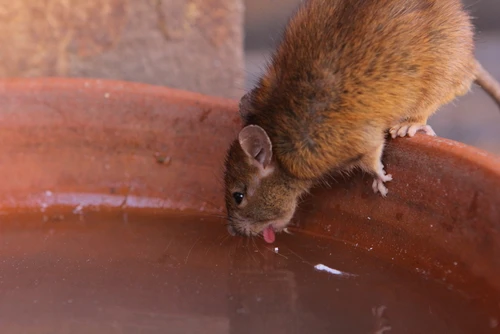

Finding out you have rats in your attic can be stressful enough — but discovering they’ve come back after removal is even worse. Rats are smart, resourceful, and determined creatures that will keep returning if the root cause of the infestation isn’t fixed. For homeowners in Tampa, this means taking proactive steps beyond just trapping or removing them.
At Critter Control of Tampa, we specialize in rat removal from attics and long-term prevention strategies that ensure these unwanted guests don’t return. If you’ve recently dealt with a rat problem or want to prevent one, here’s everything you need to know about keeping them out for good.
Understanding Why Rats Keep Coming Back
Before you can prevent future infestations, it’s important to understand why rats return. In most cases, rats come back because their entry points weren’t sealed, food sources weren’t removed, or nesting areas remained accessible.
Rats are creatures of habit — once they find a warm, safe space with easy access to food and shelter, they’ll keep coming back, even if a few are removed.
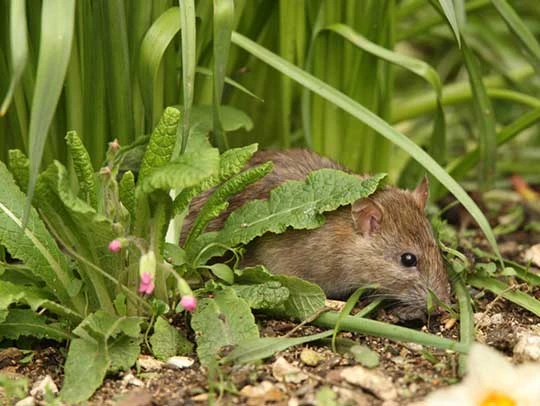
In Tampa, the most common rat species are roof rats and Norway rats. Both are excellent climbers and can squeeze through openings as small as a quarter of an inch. That’s why professional rat removal should always be followed by exclusion and prevention measures to ensure they don’t re-enter.

1. Seal All Entry Points
Rats don’t need much space to squeeze inside your home. They can enter through small cracks, broken vents, or even gaps under doors. After a professional rat removal from attics, the most important step is to seal every possible entry point.
Areas to inspect and seal include:
- Roof vents and soffits
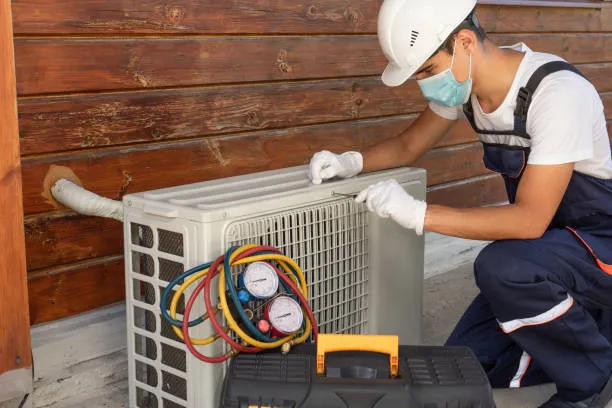
- Gaps around utility pipes or AC lines
- Cracks in walls or foundation
- Openings under garage doors or entry doors
- Damaged roof tiles or fascia boards
At Critter Control of Tampa, we perform detailed inspections after every rat removal job. Our team identifies and seals every potential entryway using durable materials that rats can’t chew through — ensuring long-term protection.
2. Clean and Sanitize the Attic
Even after all the rats are gone, their scent remains. Rats leave behind urine, droppings, and pheromones that can attract other rats. That’s why thorough attic cleaning and sanitation are critical steps in preventing a return infestation.
Our technicians at Critter Control of Tampa provide full attic restoration services after rat removal from attics. This includes:
- Removing contaminated insulation and droppings
- Sanitizing surfaces to eliminate bacteria and odors
- Replacing insulation to restore energy efficiency
- Deodorizing the attic to eliminate scent trails
By removing all traces of rat scent and waste, we make your attic an uninviting place for future rodents.
3. Eliminate Food Sources
Rats are always in search of food. If your home provides easy access to food or water, they’ll keep coming back no matter how many times you remove them.
To keep rats away, make sure you:
- Store dry food, pet food, and birdseed in sealed containers.
- Keep trash cans tightly closed and away from the house.
- Clean up food crumbs and spills immediately.
- Avoid leaving pet bowls with food or water overnight.
- Fix leaky pipes or standing water that might attract rats.
In Tampa’s warm climate, even small amounts of food left outside can draw rodents. After rat removal, maintaining a clean and clutter-free environment is one of the best ways to prevent reinfestation.
4. Trim Trees and Vegetation Around the Home
Roof rats, in particular, are excellent climbers. They use tree branches, vines, and overgrown shrubs as pathways to your roof and attic.
To reduce their access:
- Trim tree branches at least 3 feet away from your roofline.
- Keep shrubs and vegetation neatly trimmed.
- Avoid stacking firewood or debris near the walls of your home.
By limiting their climbing routes, you make it much harder for rats to reach your attic in the first place. This is a critical step in RAT CONTROL efforts, especially for homes surrounded by vegetation.
5. Regularly Inspect and Maintain Your Home
Prevention isn’t a one-time fix — it requires ongoing maintenance. Tampa’s humid climate and year-round warmth make it ideal for rodents to breed and seek shelter.
After your rat removal service, schedule regular inspections (at least once or twice a year) to ensure there are no new gaps or potential entry points. Even small damage to siding, vents, or insulation can give rats a way back inside.
At Critter Control of Tampa, our ongoing programs include regular inspections, maintenance, and monitoring to ensure your home stays protected all year round.
6. Store Items Properly in the Attic and Garage
Rats love cluttered spaces. Cardboard boxes, paper, fabric, and stored food make perfect nesting materials. Organizing and decluttering your attic and garage can go a long way toward keeping rats out.
Here’s what you can do:
- Store belongings in plastic bins with tight lids, not cardboard boxes.
- Avoid storing pet food, grains, or birdseed in the attic.
- Keep the area clean and ventilated.
- Inspect your storage regularly for chew marks or droppings.
When your storage spaces are clean and sealed, rats are less likely to view them as suitable nesting areas.
7. Use Professional Exclusion Services
DIY traps and poisons may catch or kill a few rats, but they rarely solve the root cause of the problem. Rats are intelligent and can quickly learn to avoid traps, and poisons can create health risks for your family or pets.
Professional rat removal from attics involves more than just eliminating rats — it focuses on exclusion (sealing entry points) and prevention (making your home unattractive to them).
Our RAT CONTROL team uses advanced techniques such as:
- Sealing entry holes with chew-proof materials
- Installing one-way doors to let rats exit safely without re-entry
- Setting up monitoring systems for ongoing prevention
This comprehensive approach ensures the problem is handled completely, not temporarily.
8. Schedule Follow-Up Services
Even after a successful rat removal, it’s wise to have follow-up inspections. Rats are persistent, and if any scent or pathway remains, they may try to return.
At Critter Control of Tampa, we offer follow-up visits and monitoring to make sure your attic remains secure. Our team checks for new droppings, gnaw marks, or re-entry attempts — and if needed, reinforces exclusion barriers.
By staying proactive, you avoid the frustration of dealing with another infestation later on.
Why Choose Critter Control of Tampa?
With years of experience handling rat removal from attics, Critter Control of Tampa is your trusted local partner. We understand how rodents behave in Florida’s unique climate and use humane, long-lasting methods to keep them out.
Our services include:
- Comprehensive attic inspection and rat removal
- Sanitation and decontamination
- Entry point repair and exclusion
- Attic restoration and insulation replacement
- 24/7 emergency rat removal services
We don’t just remove rats — we make sure they never come back.
Conclusion
Removing rats is only half the battle — keeping them from coming back requires a full prevention strategy. By sealing entry points, cleaning thoroughly, eliminating food sources, and scheduling regular inspections, you can keep your home rat-free for good.
At Critter Control of Tampa, we specialize in complete rat removal from attics and long-term RAT CONTROL solutions. Whether you’re dealing with a current infestation or want to prevent one, our experts are ready to help.
Don’t let rats reclaim your home. Contact Critter Control of Tampa today for safe, effective, and permanent rat removal and prevention services.


























Sign in to leave a comment.