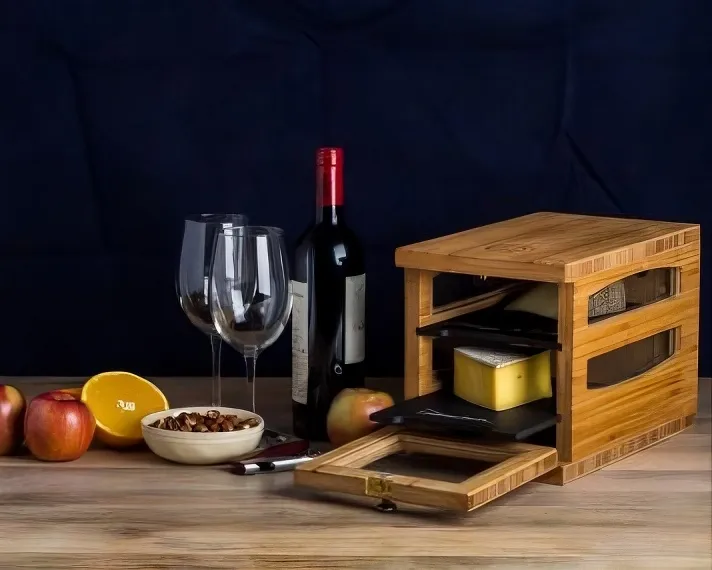

The best way to store artisan cheese at home is in a breathable, humidity-controlled cheese storage container — not plastic wrap, not an airtight box, and definitely not a zip-lock bag.
If you have spent good money on a wedge of aged cheddar, a wheel of brie, or a block of manchego, the way you store it determines whether it tastes exceptional three days later or ends up in the trash. Most people get this wrong — not because they do not care, but because no one ever explained what cheese actually needs to survive outside a professional cave.
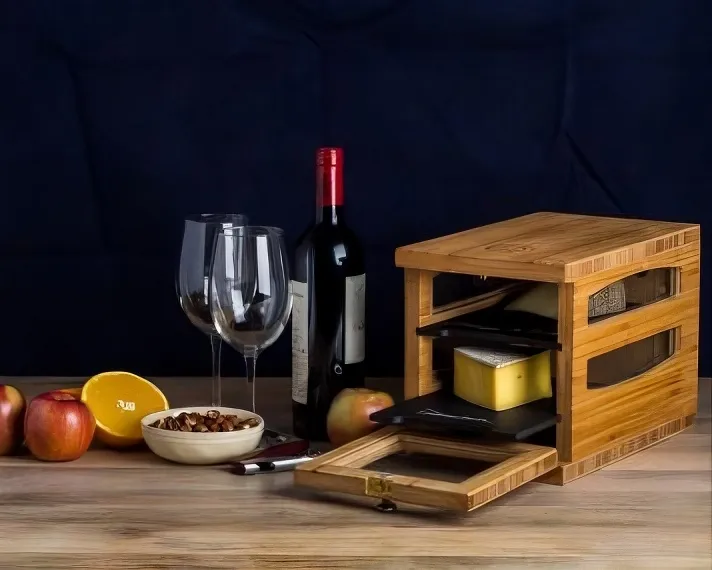
This guide covers exactly that: what cheese needs, what most storage methods get wrong, and what a proper cheese storage container actually does for your cheese at home.
What Cheese Needs to Stay Fresh
Cheese is a living, fermenting product. Even after it leaves the creamery, the microflora inside it continues to develop. That activity requires two things: airflow and moisture.
Plastic wrap blocks airflow completely. It traps ammonia gases released by aging cheese, which turns flavor bitter. Airtight containers do the same — they create a sealed environment that suffocates the cheese and accelerates spoilage from the inside out.
What cheese actually needs is a breathable microclimate — one that allows air to circulate while maintaining enough humidity to prevent the cheese from drying out and cracking. This is exactly what a traditional European cheese cave provides. And it is exactly what a well-designed cheese storage container replicates at home.
Why Most Cheese Storage Methods Fail
Here is what happens with the three most common storage choices:
Plastic wrap: Seals in ammonia, blocks oxygen, causes flavor degradation within 24 to 48 hours. Worst option for any natural cheese.
Airtight tupperware or containers: Traps moisture unevenly. Soft cheeses sweat and go slimy. Hard cheeses dry at the edges while getting moldy in the center.
Cheese paper alone: Better than plastic, but paper alone does not regulate humidity. In a dry refrigerator environment, cheese paper can still allow cheese to dry out faster than ideal.
None of these methods replicate cave conditions. They slow the problem, they do not solve it.
What a Proper Cheese Storage Container Does Differently
A purpose-built cheese storage container works on two principles: breathability and passive humidity regulation.
The Cheese Grotto, for example, uses a terra cotta clay brick that is soaked in water before use. As the clay slowly releases moisture inside the closed bamboo box, it creates a stable microclimate — humid enough to keep cheese supple, airy enough to let gases escape. The result is cheese that stays fresh up to 3 times longer than plastic wrap and up to 4 times longer than standard tupperware, based on the brand's own testing.
You can use it two ways. Keep it in the refrigerator to extend shelf life by weeks. Or keep it on your kitchen counter to have cheese ready to serve at room temperature throughout the week — a setup that mirrors how European cheesemongers present their stock.
The full comparison of all four Cheese Grotto models — from the compact Piatto at $99 to the flagship Classico at $375 — is available at the Cheese Grotto comparison page, where you can match storage capacity to your household's cheese habits.
Counter Storage vs Refrigerator Storage — Which Is Right for You?
This depends on how quickly you go through cheese.
Refrigerator storage works best if you buy cheese in larger quantities or less frequently. The cool temperature combined with a breathable container slows aging significantly. Expect to extend shelf life by two to three weeks compared to plastic wrap.
Counter storage works best if you entertain regularly or eat cheese daily. Cheese served at room temperature has fuller aroma and flavor. A cheese storage container on your counter means your cheese is always ready — no waiting for it to warm up before a dinner party.
Both uses are valid. The container does the same job either way: it maintains the microclimate cheese needs.
How to Care for Your Cheese Storage Container
Regardless of which container you use, a few habits make a real difference:
Unwrap your cheese completely before placing it inside. Leaving any plastic on defeats the purpose of a breathable container.
If your container uses a clay or terra cotta component, soak it in clean water for 15 to 20 minutes before first use, and re-soak it every one to two weeks depending on your climate.
Wipe the interior of the container with a damp cloth weekly. Do not use soap inside — it leaves residue that transfers to cheese. A light white vinegar rinse is enough to keep surfaces clean.
For a deeper guide on cheese storage best practices and what to do when mold appears, the Cheese Grotto cheese storage guide covers every scenario — from surface mold on hard cheese to how long different varieties last without wrapping.
The Bottom Line on Cheese Storage
Good cheese deserves good storage. Plastic wrap is a habit most cheese lovers inherit without questioning it. Once you switch to a breathable, humidity-regulated cheese storage container, the difference in flavor, texture, and shelf life is noticeable within the first week.
Whether you keep it on the counter or in the fridge, the principle is the same: give cheese the air it needs, keep moisture consistent, and stop sealing it inside materials it was never meant to live in.
Your cheese will taste better. It will last longer. And the next time someone asks why your cheese board looks and tastes so good, you will have a genuinely interesting answer.
FAQ
Q1. What is the best cheese storage container for home use?
The best cheese storage container creates a breathable, humid microclimate — similar to a traditional cheese cave. Purpose-built wooden boxes with terra cotta clay inserts outperform plastic wrap, airtight containers, and cheese paper alone.
Q2. Can I store all types of cheese in the same container?
Yes, most natural cheeses — soft, semi-soft, and hard — can be stored together in a breathable cheese storage container. Keep strongly aromatic cheeses wrapped lightly in cheese paper if stored alongside mild varieties.
Q3. How long does cheese last in a proper cheese storage container?
In a breathable cheese storage container, most specialty cheeses stay fresh 2 to 3 weeks longer than in plastic wrap. Hard aged cheeses can last even longer when stored unwrapped with proper humidity control.
Q4. Should I store my cheese storage container in the fridge or on the counter?
Both work. Refrigerator storage extends shelf life significantly. Counter storage keeps cheese at serving temperature throughout the week — ideal for frequent entertaining or daily cheese consumption.
Q5. Why should I not use plastic wrap for artisan cheese storage?
Plastic wrap blocks the airflow cheese needs, traps ammonia gases from aging, and accelerates flavor degradation. Most specialty cheese experts recommend switching to a breathable cheese storage container or at minimum parchment-backed cheese paper.






























Sign in to leave a comment.