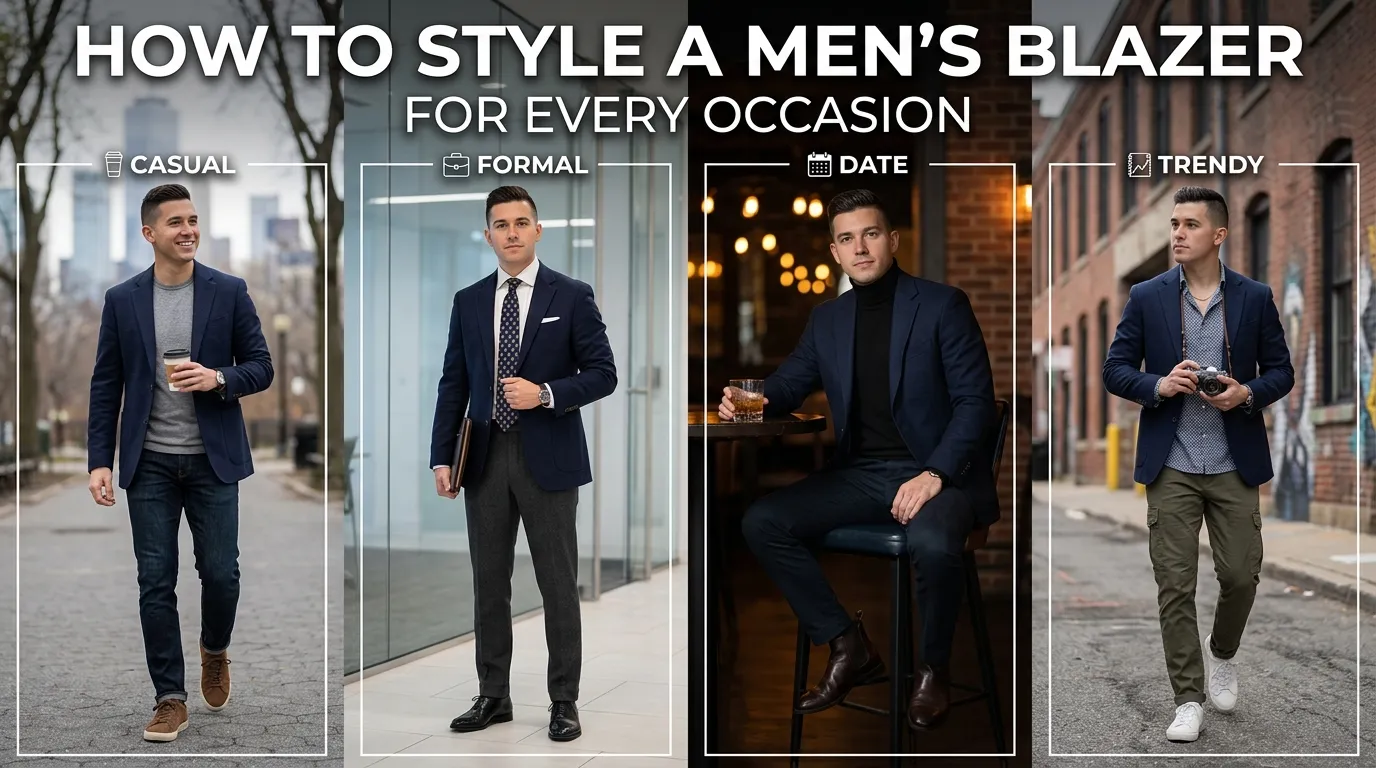

A well-chosen mens blazer can do more work than almost anything else in your wardrobe.
It's the piece that bridges casual and formal without committing fully to either. Wear it over a dress shirt for a client meeting. Throw it over a plain white tee for dinner. Layer it over a turtleneck for a sharp winter look that requires zero effort. The blazer handles all of it but only when you understand what you're working with.
Most men own a blazer they don't wear enough. Usually because they're not sure when it's appropriate, how to pair it, or whether their specific jacket suits the occasion. That uncertainty leads to the blazer spending most of its life on a hanger.
This guide fixes that. We'll cover the difference between a blazer and a sport coat, how to match a blazer to the occasion, which colors and cuts work best for specific settings, and how to build outfits you'll actually put on. No styling theory just practical direction you can use immediately.
Blazer vs. Sport Coat: The Distinction Worth Understanding
These terms get used interchangeably, and that causes real confusion when shopping.
Here's the practical difference.
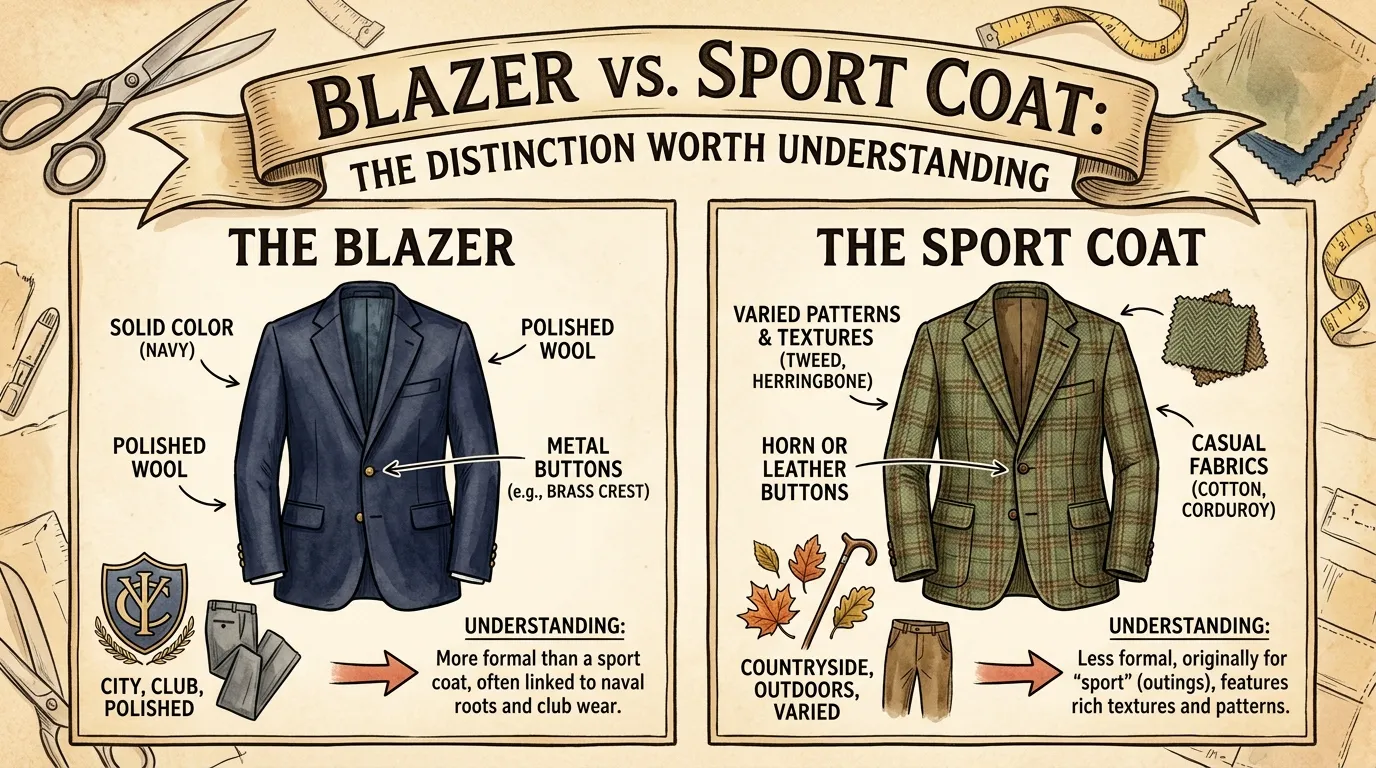
A blazer is typically a solid-colored jacket often navy, black, or grey with a clean, relatively uniform construction. It originated in naval and sporting clubs, which is why most classic blazers feature metal buttons. It's the more formal of the two options.
Mens sport coats are cut similarly but feature patterned or textured fabrics tweed, houndstooth, plaid, or herringbone. The pattern is built into the weave of the fabric itself, rather than added after. Sport coats tend to read as more casual and personality-driven.
In everyday conversation, people call both of them blazers. That's fine. But when you're shopping, knowing the distinction helps you find exactly what you're looking for especially when a retailer separates their inventory between blazers and sport coats.
The Three Fits That Define How a Blazer Looks
Before color or occasion, fit determines everything.
Slim Fit
Sits close to the body through the chest, waist, and arms. The jacket tapers noticeably at the waist and the sleeves are trim without restricting movement. Looks sharp on leaner builds. Can feel restrictive on broader chests or wider shoulders.
Regular Fit
More room through the chest and body without appearing boxy. This is the most wearable starting point for most body types. It doesn't require a narrow build to look intentional, and it tailors well if minor adjustments are needed.
Unstructured Fit
An unstructured blazer removes the internal padding and interfacing found in traditional jackets. The result is a jacket that feels like a shirt lightweight, packable, and comfortable enough to wear all day. It doesn't hold its shape the way structured blazers do, which makes it ideal for casual settings and warm climates.
If you've avoided blazers because they feel stiff or formal, try an unstructured option. It changes the experience entirely.
Styling Mens Blazers for Work and Professional Settings
A blazer's natural environment is the professional one but the rules for wearing it to work have changed considerably.
Most modern offices expect something between a full suit and pure casual. A blazer fills that space perfectly.
For business formal environments:
Pair a structured navy or charcoal blazer with matching or complementary trousers, a dress shirt, and a tie. If you're not wearing a full suit, the blazer needs to be sharp enough to carry the look independently. Wool or wool-blend fabric, clean lapels, and polished shoes make it work.
For business casual environments:
This is where blazers become genuinely useful. A navy mens blazer jacket over grey chinos and a white Oxford shirt is one of the most reliable professional combinations in men's clothing. Add leather loafers or clean leather trainers depending on the office culture.
For smart casual workplaces:
An unstructured blazer over a quality crew-neck sweater or a linen shirt works well. The jacket adds structure to what would otherwise be a purely casual look, without requiring a tie or formal trousers.
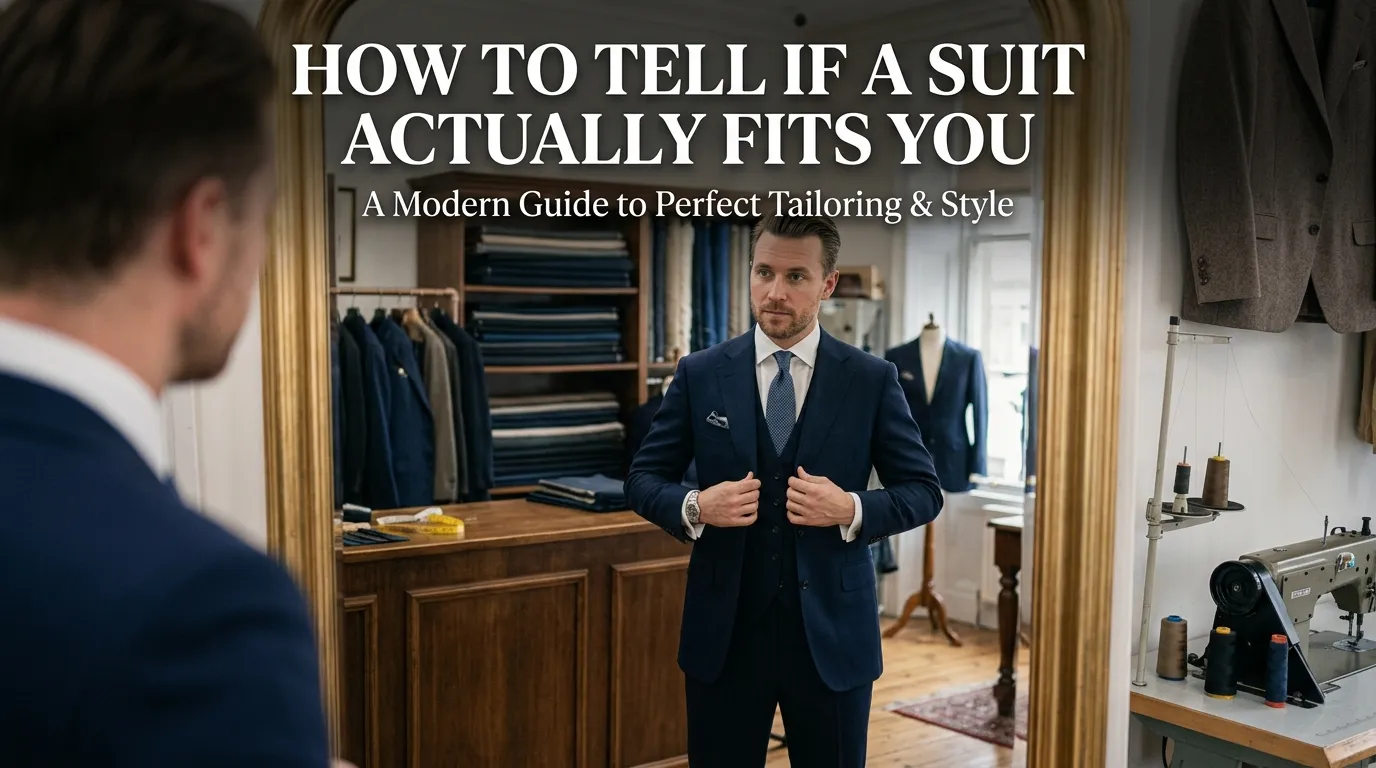
One rule applies across all three: the blazer should fit at the shoulders. A shoulder seam that sits off your shoulder cannot be tailored back to the right position. Everything else sleeve length, body, chest is adjustable. Shoulders are not.
How to Wear a Grey Blazer (And Why You Should Own One)
The grey blazer deserves its own section because it's more versatile than most men realize.
Navy gets most of the attention in men's outerwear, and for good reason. But grey sits in a genuinely neutral position that navy doesn't quite reach. A grey blazer pairs comfortably with navy trousers, olive chinos, black jeans, brown trousers, and charcoal pants. It works with almost any shirt color and most footwear.
Light grey blazers lean casual and work well for daytime events, weekend wear, and relaxed professional settings. Mid-grey reads as professional and flexible an excellent all-rounder. Charcoal grey approaches the formality of a black blazer without the same rigidity.
For a versatile everyday blazer that genuinely works across occasions, a mid-grey option in a fine wool or wool-blend fabric is worth prioritizing before a second navy jacket.
Wearing a Blazer on the Weekend: Casual Without Looking Overdressed
The biggest mistake men make with casual blazer styling is treating it like a formal outfit that happens to be in a relaxed setting. The result looks awkward too dressed up, not intentionally so.
Casual blazer styling works when the rest of the outfit is clearly relaxed and the blazer functions as the finishing layer rather than the centerpiece.
Weekend outfit combinations that work:
- Mens casual blazer + white crew-neck tee + dark slim jeans + white leather sneakers Clean, modern, and easy to pull off.
- Unstructured blazer + OCBD shirt (untucked) + slim chinos + suede loafers Smart casual without any visible effort.
- Grey blazer + black turtleneck + dark jeans + Chelsea boots Works for evenings out when you want to look sharp without dressing formally.
- Sport coat + chambray shirt + khaki trousers + leather boots A slightly more traditional casual combination that suits both outdoor events and relaxed dinners.
The key to making casual blazer outfits land is contrast between a structured jacket and deliberately relaxed pieces underneath. When everything in the outfit is equally formal, the blazer looks out of place. When the pieces below it are clearly casual, the blazer reads as intentional.

Blazers for Events: Weddings, Dinners, and Social Occasions
Weddings and formal social events require a different approach than everyday styling.
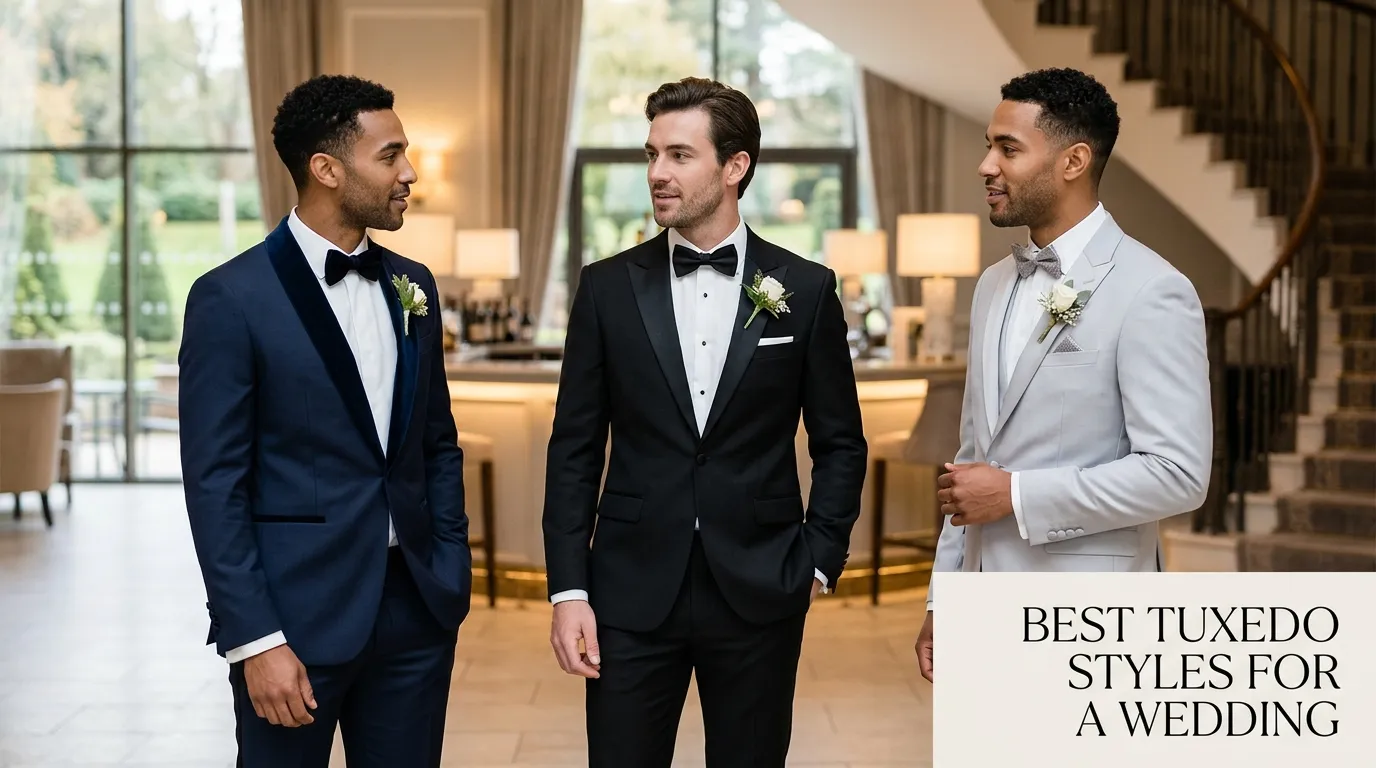
For wedding guests (not the wedding party), a navy or charcoal blazer over matching or complementary trousers is appropriate for most cocktail or smart-casual dress codes. Pair with a dress shirt and optional tie depending on formality.
For garden parties and outdoor events in warm months, lighter fabrics and colors come into play. A stone or tan blazer in linen or a linen blend works well when the environment is relaxed and the temperature is high.
For evening dinners and social events, a structured navy blazer over a black dress shirt and dark trousers creates a sharp combination that handles most upscale-casual occasions without requiring a full suit.
When browsing mens blazers for a specific event, consider the venue formality and the likely dress of other guests. Matching or slightly exceeding the expected dress level is always a safer choice than underdressing and hoping no one notices.
The Western Sport Coat: A Style Worth Understanding
The western sport coat occupies a specific corner of men's outerwear that's grown considerably in popularity.
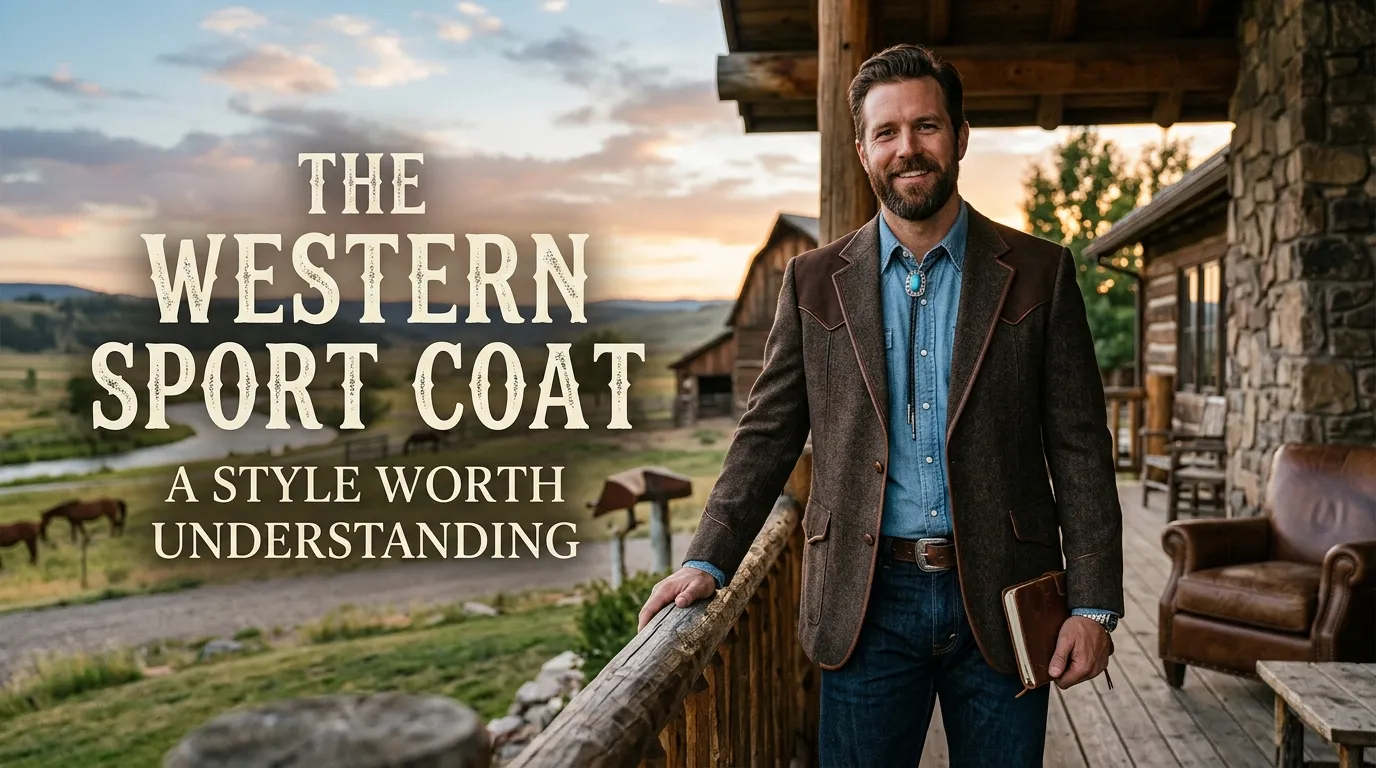
Rooted in American Western tailoring, these jackets typically feature distinctive stitching across the chest and back, pointed pocket flaps, and sometimes fringe or contrast details. The construction draws from traditional Western shirts scaled up to jacket proportions.
They're not appropriate for conventional professional settings, but they're excellent for casual social events, outdoor gatherings, and occasions where personality-driven dressing is welcomed. Pair with dark jeans, boots, and a simple shirt for a cohesive look.
If you're drawn to the western sport coat, lean into the aesthetic rather than fighting it. It works when the whole outfit is directionally consistent. It doesn't work when paired with overtly formal pieces that clash with the jacket's character.
What a Ralph Lauren Blazer Gets Right (And What to Learn From It)
The Ralph Lauren blazer has been a reference point in men's tailoring for decades, and understanding why helps inform your own buying decisions.
Ralph Lauren consistently delivers clean, well-proportioned blazers with high-quality fabric composition and construction details that hold up over years of wear. The brand's navy blazers in particular are recognized for their fit across a range of body types and their ability to work across multiple settings without looking overdressed or underdressed.
What that teaches you as a buyer:
Proportion matters more than price. A Ralph Lauren blazer looks good largely because the lapels, buttons, and silhouette are all in proportion to each other. When you're shopping any brand, look for those same proportional relationships.
Fabric quality shows immediately. Their wool and wool-blend fabrics hold their shape through repeated wear and cleaning. Check fabric composition before committing.
Classic construction outlasts trends. Notch lapels, two-button fronts, and clean chest pockets don't go out of style. Trend-driven details often date a jacket within a season or two.
Common Blazer Styling Mistakes to Stop Making
Wearing a jacket that's too large in the shoulders. This is the most common fit problem. It makes any blazer look borrowed, regardless of how good the fabric is.
Buttoning the bottom button. The bottom button of a two or three-button blazer is meant to remain unbuttoned. Always. Buttoning it distorts the jacket's natural shape.
Matching everything too closely. A navy blazer with navy trousers looks like a suit that's trying not to be one. Contrast between jacket and trousers is what makes a blazer work as a separate piece.
Treating an unstructured blazer like a structured one. Unstructured jackets need relaxed pieces around them. Pairing one with a dress shirt and formal trousers creates a visual disconnect.
Ignoring sleeve length. About half an inch of your shirt cuff should be visible below the blazer sleeve. Too much sleeve from the jacket looks sloppy; no shirt cuff visible means the jacket is too long in the sleeves.
Wearing it over a heavily wrinkled shirt. A blazer adds polish to a look it doesn't hide what's underneath. The shirt matters.
FAQ: Men's Blazers Practical Questions Answered
Q: What's the difference between a blazer and a sport coat?
A blazer is typically solid-colored with metal or matching buttons. A sport coat features patterned or textured fabric. Both are worn as separate jackets rather than as part of a matched suit.
Q: Can I wear a mens blazer with jeans?
Yes. A navy or grey blazer with dark slim-fit jeans is one of the most reliable smart-casual combinations. Keep the rest of the outfit clean and the shoes simple.
Q: What color blazer should I buy first?
Navy blue. It pairs with more trouser and shirt combinations than any other color and works across casual, professional, and semi-formal settings.
Q: What is an unstructured blazer and who should wear one?
An unstructured blazer removes internal padding for a lighter, more casual feel. It's ideal for warm climates, travel, and relaxed settings. Any man who finds traditional blazers stiff or uncomfortable should try one.
Q: How should a blazer fit across the shoulders?
The shoulder seam should sit exactly at the edge of your shoulder no overhang, no pulling inward. Shoulders are the one part of a blazer that cannot be tailored after purchase.
Q: Can a sport coat replace a suit jacket at a formal event?
Generally, no. A sport coat is designed for casual to smart-casual occasions. For formal events, a suit or tuxedo is more appropriate.
Q: How do I care for a wool blazer?
Hang it after wear to let it breathe and recover its shape. Brush with a soft clothes brush to remove surface debris. Dry clean only when necessary too-frequent dry cleaning breaks down wool fibers over time.
Q: What shoes work best with a grey blazer?
Brown leather loafers or Oxford shoes work for professional settings. White leather sneakers or clean suede loafers pair well for casual looks. Grey is neutral enough to work with most footwear colors.
Conclusion
Mens blazers earn their place as the most versatile piece in a functional wardrobe because they do exactly what no other garment can: they work across almost every setting without looking like they're trying too hard.
The fundamentals are simple. Get the shoulder fit right. Match the fabric weight to the occasion. Build contrast between the jacket and the pieces underneath it. And pick a color starting with navy or grey that you'll actually reach for regularly.
Whether you're styling a grey blazer for the office, an unstructured blazer for the weekend, a western sport coat for a social event, or a structured mens blazer jacket for a wedding, the same principles apply: fit first, occasion second, personal style third.
For a professionally curated selection of blazers, sport coats, and men's outerwear built around quality and fit, visit Mensusa.






















Sign in to leave a comment.