

Switching from Debit to Credit Cards is a smart move toward improved financial management. While Debit Cards are convenient for everyday transactions, Credit Cards offer several benefits, like building credit history, earning rewards, and providing extra security. However, a smooth transition requires understanding how Credit Cards work, especially interest rates, and developing disciplined habits.
Understand the advantages of using Credit Cards
The primary advantage of using a Credit Card is that it builds your credit profile. Responsible use, including timely payments, can boost your Credit score, which is important for forthcoming financial goals like Loans or mortgages. Apart from this, Credit Cards often come with perks such as cashback, travel rewards, purchase protection, and extended warranties.
Another aspect is safety. Credit Cards usually offer better fraud protection than Debit Cards, giving you peace of mind when shopping online or abroad. Plus, having access to a credit line helps during emergencies when funds are tight.
Know about Credit Card interest rates
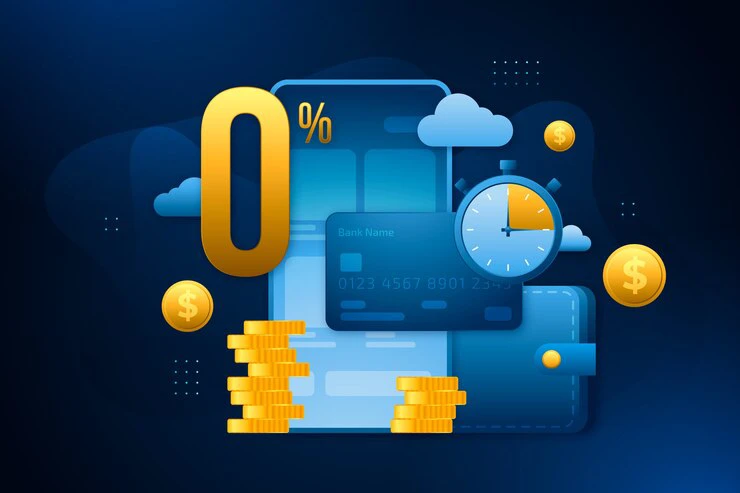
Before you start using a Credit Card, it is important to understand Credit Card interest rates. If you do not pay your balance in full each month, interest charges can accumulate, sometimes at high rates. This leads to debt spiralling if not managed carefully. Therefore, the goal is to pay your statement balance in full and on time to avoid interest altogether. Some Credit Cards provide introductory 0% interest periods, which is particularly beneficial during your transition.
These periods typically last from six to 18 months, letting you make purchases or transfer balances without accruing interest. Be sure to read the fine print so you know when the rate increases and what penalties may apply.
Start small and use responsibly
Transitioning from Debit to Credit Card does not mean making large or unnecessary purchases immediately. Start with small, manageable transactions. Utilise the Credit Card for daily expenses, such as groceries, gas, or bills, things you already plan to pay. This builds your credit history without risking overspending. Always pay your Credit Card bill fully each billing cycle.
This habit not only prevents interest charges but also demonstrates responsible Credit use, which is key to establishing and retaining a good Credit score.
Monitor your spending and stay within budget
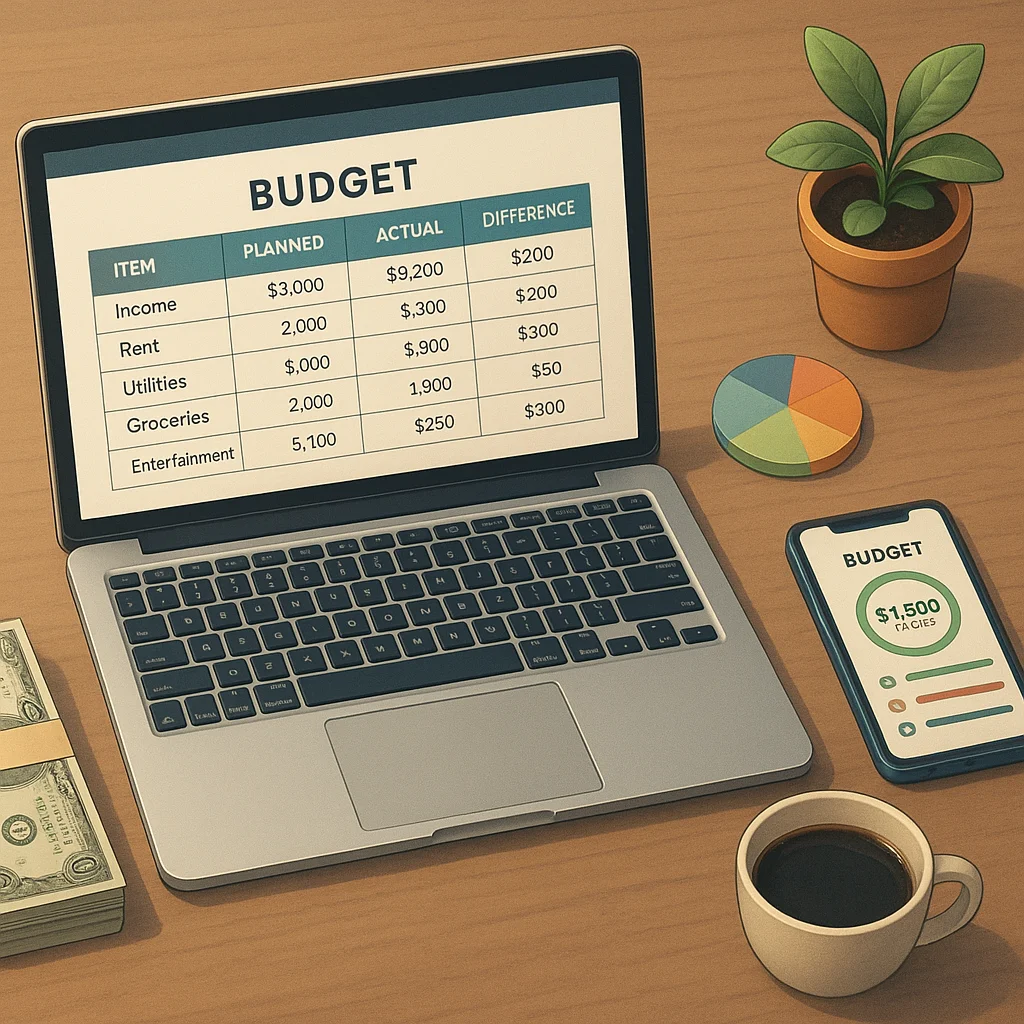
One common pitfall when switching to credit is overspending. Unlike Debit Cards, which pull directly from your Bank Account, Credit Cards provide a credit line that can tempt you to spend more. To avoid this, set a monthly budget and track your expenses carefully. Many Credit Cards now offer apps and online tools to help monitor your spending.
Regularly reviewing your statements ensures you catch any unauthorised transactions and stay within your designated budget.
Conclusion
Transitioning from Debit to Credit Cards is a positive step toward better financial management. The key is to use credit wisely and thoughtfully, turning your new Credit Card into a powerful tool for achieving your financial goals.
























Sign in to leave a comment.