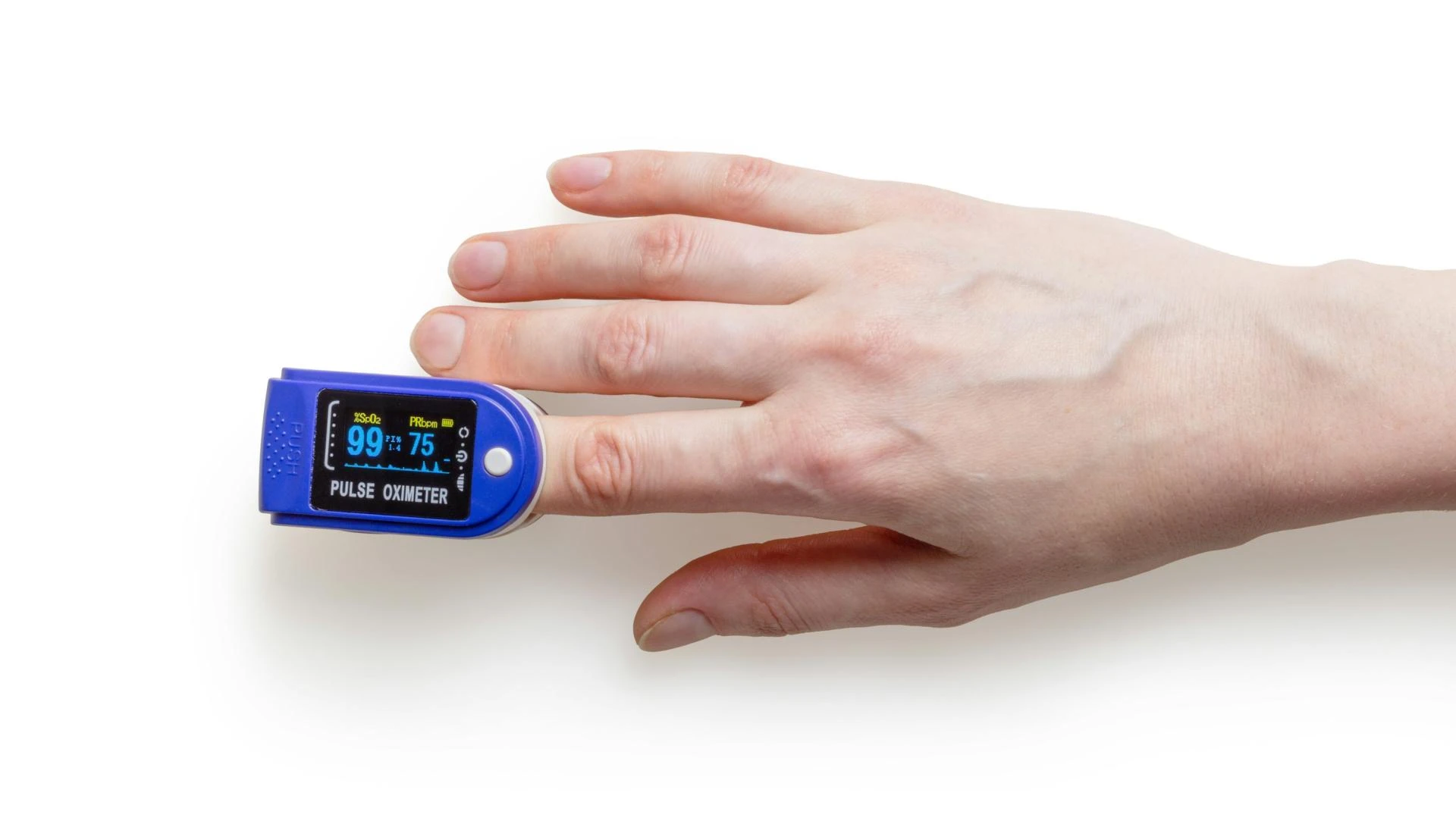
An oximeter, or pulse oximeter, is a tiny portable medical gadget that monitors your blood oxygen levels (SpO₂) and heart rate. It's a useful device, particularly for individuals with respiratory diseases such as asthma, COPD, or COVID-19.
You might not have used one previously; don't worry—it's easy! Here's a step-by-step process for properly using an oximeter.
Step 1: Prepare the Oximeter
Prior to using the device:
Check that the batteries are functional (if it is not rechargeable).
Clean the sensor region (the region where your finger is placed) with a clean cloth.
Nail polish or false nails, which can cause interference with readings, need to be removed.
Step 2: Position Your Finger Correctly
Switch on the oximeter—most machines switch on automatically when you put in your finger.
Insert your finger inside—ideally your middle or index finger.
Keep your hand steady—rest it on a flat surface to avoid movement errors.
Step 3: Wait for the Reading
The oximeter will take a few seconds (usually 10-30 sec) to display results.
You’ll see two numbers:
SpO₂ (%) – Your blood oxygen level (normal range: 95-100%).
PR (BPM) – Your pulse rate (normal range: 60-100 BPM for adults).
Step 4: Interpret the Results
Normal SpO₂: 95-100% (healthy range).
With regard to SpO₂: Less than 95% (speak to a doctor if persistently low).
Critical SpO₂: Less than 90% (prompt medical care).
Step 5: Take Note of the Readings (If Required)
If you're tracking your oxygen levels over time:
Write down the readings together with the date and time.
Alert your doctor to this information if you see frequent dips.
Tips for Getting Accurate Readings
✅ Sit quietly—movement will distort accuracy.
✅ Get your hands warm—cold fingers can provide inaccurate readings.
✅ Stay away from bright light—sunlight can disrupt the sensor.
✅ Recheck several times—2-3 readings to confirm.
When to Visit a Doctor?
If your oxygen level is always less than 95%, or if you notice:
Shortness of breath
Chest pain
Blue lips or fingers
Severe tiredness
…call for medical attention immediately.
Final Thoughts
An oximeter is a handy device for tracking one's health, particularly for people with heart or lung diseases. Following the easy-to-follow steps here will help you obtain correct readings and take action in time if necessary.

























Sign in to leave a comment.