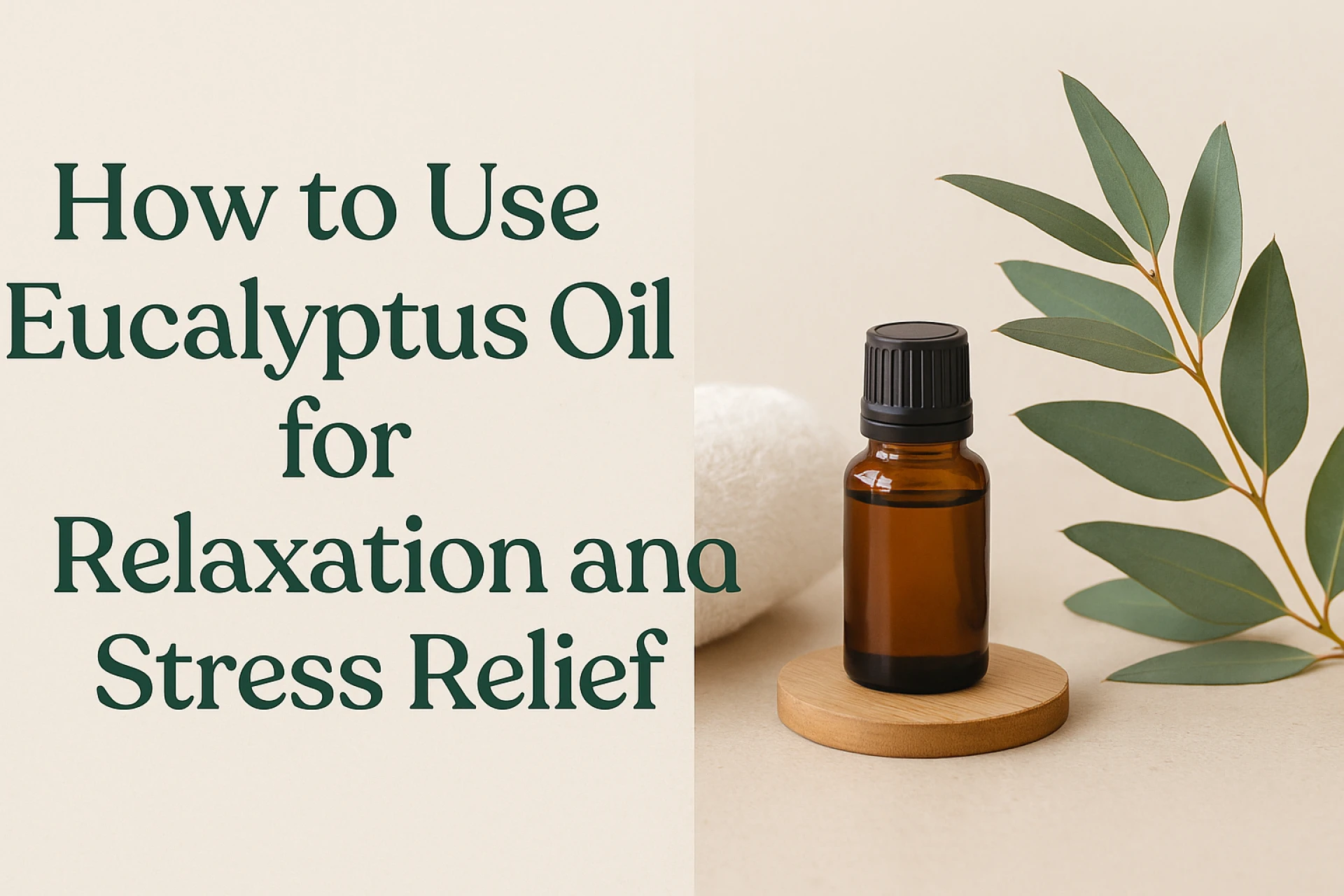
Eucalyptus oil has been valued for centuries for its soothing aroma and wide range of therapeutic benefits. Extracted from the leaves of the eucalyptus tree, this essential oil has a crisp, refreshing scent that can instantly lift your mood and help clear your mind. Today, eucalyptus oil is a favorite in aromatherapy and self-care routines, especially for those looking for natural ways to unwind and manage stress.
If you’re curious about how to make eucalyptus oil part of your wellness routine, this guide will show you what makes it so effective, safety tips to keep in mind, and multiple ways to enjoy its relaxing properties at home or on the go.
What is Eucalyptus Oil?
Eucalyptus oil comes from the evergreen eucalyptus tree, native to Australia but now grown worldwide. The oil is distilled from the tree’s long, narrow leaves and is rich in eucalyptol (also called cineole), a compound known for its cooling, anti-inflammatory, and antimicrobial properties.
Traditionally used by Indigenous Australians for wound healing and respiratory relief, eucalyptus oil has earned its reputation as a versatile remedy. It’s commonly used today in:
- Aromatherapy to clear the mind and promote relaxation
- Topical products to ease muscle soreness and tension
- Natural cleaning solutions because of its antibacterial qualities
- Wellness products like balms, ointments, and vapor rubs
But beyond its medicinal uses, eucalyptus oil has a unique scent profile—clean, invigorating, and slightly woody—that makes it perfect for stress relief.
Why Eucalyptus Oil Helps with Stress Relief
Stress often manifests both mentally and physically. Eucalyptus oil is effective because it supports relaxation in multiple ways:
- Aromatherapy benefits: The sharp, fresh scent helps reduce mental fatigue, improve concentration, and create a sense of clarity.
- Muscle relaxation: Eucalyptus oil’s anti-inflammatory properties help soothe sore muscles and tension headaches caused by stress.
- Improved breathing: Its natural decongestant qualities make it easier to take deep, calming breaths, which are essential for lowering cortisol levels.
- Refreshing energy boost: While some oils are deeply sedative, eucalyptus has a balancing effect. It calms stress while helping you feel alert and energized.
Safety First: Tips for Using Eucalyptus Oil
Essential oils are powerful, and eucalyptus oil is no exception. Always use it carefully:
- Dilute before applying: Mix eucalyptus oil with a carrier oil like almond, coconut, or jojoba before putting it on your skin to prevent irritation.
- Never ingest: Eucalyptus oil is not safe for internal use.
- Patch test: Test diluted oil on a small patch of skin if you’re using it topically for the first time.
- Mind pets and kids: Keep eucalyptus oil out of reach and avoid using it around infants or small animals, as it can be harmful.
- Limit exposure: Use eucalyptus oil in moderation, especially in enclosed spaces.
Practical Ways to Use Eucalyptus Oil for Relaxation
Ready to bring eucalyptus oil into your daily life? Here are multiple ways to use it, from quick fixes to full spa-like treatments.
1. Aromatherapy with a Diffuser
One of the simplest ways to enjoy eucalyptus oil is by diffusing it:
- Fill your diffuser with water.
- Add 3–5 drops of eucalyptus oil.
- Let it run for 20–30 minutes to create a calming environment.
Pro tip: Blend eucalyptus oil with lavender or frankincense for a more complex scent that promotes both relaxation and emotional balance.
2. Steam Inhalation for Clarity
Steam inhalation helps with mental fatigue, congestion, and stress:
- Boil water and pour it into a large bowl.
- Add 2–3 drops of eucalyptus oil.
- Place a towel over your head and lean over the bowl, inhaling deeply for 5–10 minutes.
This practice helps open your sinuses, allowing you to take slower, deeper breaths that naturally relax your body.
3. Eucalyptus Bath Soak
Few things beat a warm bath after a stressful day. Turn it into a spa-like ritual:
- Fill your tub with warm water.
- Add 5–10 drops of eucalyptus oil mixed with a tablespoon of carrier oil or milk (to help disperse the oil).
- Add Epsom salts to ease muscle tension.
- Soak for at least 20 minutes, focusing on slow breathing.
Optional: Pair eucalyptus with chamomile or lavender oil to enhance relaxation.
4. Massage Therapy with Eucalyptus Oil
Stress often shows up as tight shoulders, neck pain, and tension headaches. A eucalyptus massage oil can work wonders:
- Mix 3–4 drops of eucalyptus oil with a tablespoon of carrier oil.
- Gently massage onto sore areas or your temples.
- Use slow, circular motions to promote blood flow and release tight muscles.
If you don’t have a massage partner, even self-massage can help relieve tension.
5. DIY Room Spray for a Calming Atmosphere
Create a natural spray that refreshes any space:
- Mix 10 drops of eucalyptus oil with ½ cup of distilled water and 1 teaspoon of witch hazel in a spray bottle.
- Shake well before each use.
- Mist around your room, over linens, or in your office to instantly create a calming vibe.
This is a great way to freshen the air without harsh chemicals.
6. Eucalyptus Shower Experience
No time for a bath? Try this shower hack:
- Hang a small bundle of fresh eucalyptus branches in your shower.
- Let the steam release the plant’s natural oils.
- Or, add a few drops of eucalyptus essential oil to the shower floor before turning on the hot water.
The rising steam turns your shower into a mini spa retreat.
7. Incorporate It Into Meditation or Yoga
Essential oils can enhance your mindfulness practice:
- Apply a drop of diluted eucalyptus oil to your wrists or temples before meditation.
- Use a diffuser during yoga to stay grounded and focused.
- Pair the scent with deep breathing exercises for a calming ritual.
Combining Eucalyptus Oil with Other Stress-Relief Practices
Eucalyptus oil works even better when paired with other calming techniques:
- Breathwork: Slow, deep breathing is easier when eucalyptus oil opens your airways.
- Bedtime routine: Add eucalyptus oil to a linen spray or diffuser before bed for better sleep.
- Journaling: Set a calming atmosphere with eucalyptus oil while journaling to clear your mind.
- Tea ritual: Pair the scent of eucalyptus oil with a warm cup of caffeine-free herbal tea to unwind.
Choosing a Quality Eucalyptus Oil
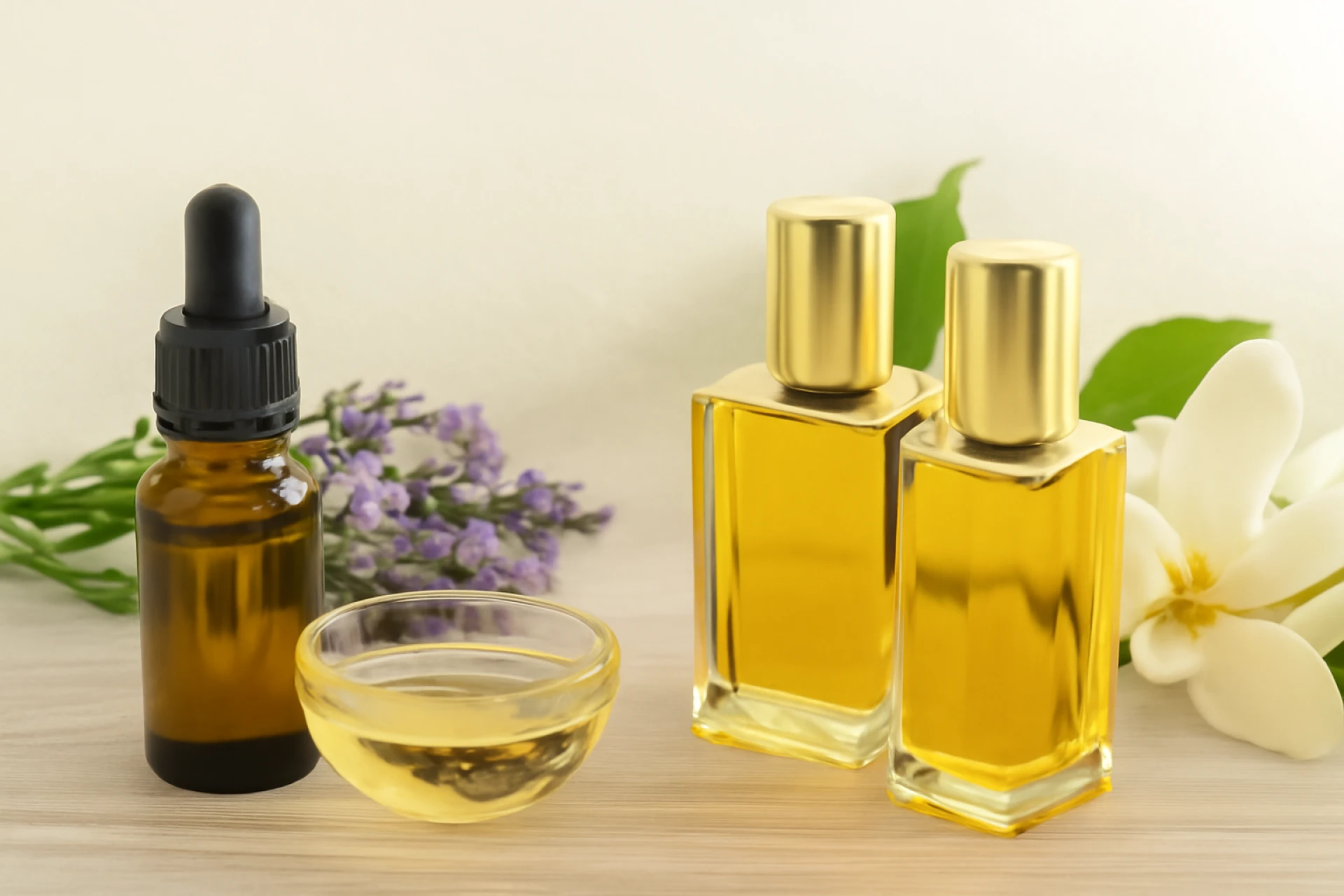
To get the full benefits of eucalyptus oil, quality matters. Here’s what to look for:
- 100% pure and organic: Choose oils labeled “pure essential oil” without fillers or synthetic fragrances.
- GC/MS testing: Reputable brands provide reports showing the oil’s purity and chemical composition.
- Dark glass bottles: Essential oils degrade in light; dark glass protects potency.
- Reputable brands: Look for trusted companies that disclose sourcing practices.
Creating a Stress-Relief Routine
To really feel the benefits, make eucalyptus oil part of your daily or weekly self-care habits:
- Diffuse eucalyptus oil while you work to stay calm yet alert.
- Use a eucalyptus bath once a week as a restorative ritual.
- Apply eucalyptus massage oil after exercise or a stressful day.
- Incorporate eucalyptus oil into your evening routine to unwind before sleep.
Consistency is key. Over time, your body and mind will start associating the scent of eucalyptus with relaxation, making it even more effective.
Final Thoughts
Eucalyptus oil is more than just a pleasant-smelling essential oil; it’s a versatile tool for physical and emotional well-being. Its refreshing aroma, muscle-soothing properties, and ability to promote deeper breathing make it an excellent choice for anyone looking to reduce stress naturally.
Whether you use it in a diffuser, bath, massage, or spray, eucalyptus oil offers simple ways to create calm in your daily life. Start with one or two methods that fit your lifestyle, and soon this powerful oil will become an essential part of your stress-relief toolkit.




























Sign in to leave a comment.