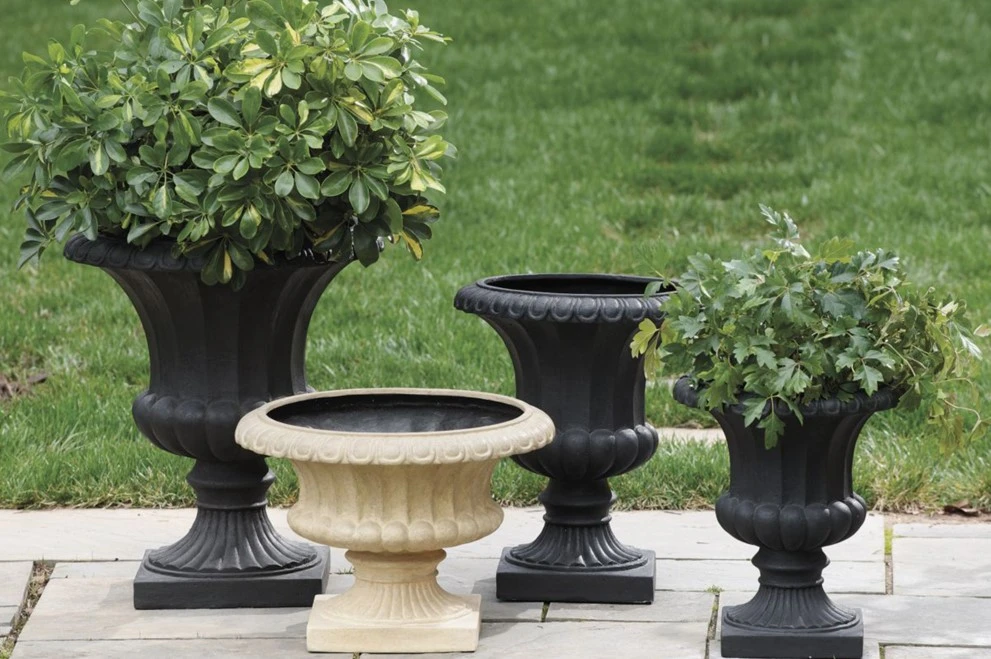

Vertical gardening is a fantastic way to maximize space, especially in urban environments or small gardens. By using urns and planters creatively, you can transform walls, fences, and even balconies into lush, green spaces. This method not only adds beauty to your surroundings but also improves air quality and provides a sense of tranquility. Below, we’ll explore how to effectively use urns and planters for vertical gardening, from choosing the right containers to maintaining your vertical garden.
Choosing the Right Urns and Planters for Vertical Gardening
The first step in creating a vertical garden is selecting the right urns and planters. Not all containers are suitable for vertical gardening, so it’s important to choose ones that are both functional and aesthetically pleasing. Look for urns and planters that are lightweight yet durable, as they will need to withstand outdoor conditions. Materials like fiberglass, resin, or lightweight ceramic are excellent choices because they are easy to hang or mount and won’t add unnecessary weight to your vertical structure.
Size is another important factor to consider. Smaller planters are ideal for herbs, succulents, or small flowers, while larger urns can accommodate bigger plants like shrubs or small trees. Make sure the containers have proper drainage holes to prevent waterlogging, which can harm your plants. If you’re planning to mount the planters on a wall, ensure they come with built-in hooks or brackets for easy installation.
Designing Your Vertical Garden Layout
Once you’ve chosen your urns and planters, the next step is designing the layout of your vertical garden. Start by assessing the space where you plan to install the garden. Consider factors like sunlight exposure, wind conditions, and the weight-bearing capacity of the wall or structure. A sunny wall is perfect for plants that thrive in direct sunlight, while a shaded area is better suited for ferns or other shade-loving plants.
When arranging your urns and planters, think about both functionality and aesthetics. Place larger planters at the bottom to create a stable base, and use smaller containers as you move upward. This not only ensures stability but also creates a visually appealing gradient. You can also experiment with patterns or shapes, such as a zigzag or spiral design, to add visual interest to your vertical garden.
Selecting Plants for Vertical Gardening
Choosing the right plants is crucial for the success of your vertical garden. Since vertical gardens have limited soil space, it’s best to select plants that have shallow root systems and don’t require extensive room to grow. Herbs like basil, thyme, and mint are excellent choices, as are succulents, ferns, and trailing plants like ivy or creeping Jenny.
If you want to add color to your vertical garden, consider flowering plants like petunias, begonias, or pansies. These plants not only look beautiful but also attract pollinators like bees and butterflies. For a more dramatic effect, you can mix and match different types of plants to create a lush, layered look. Just make sure to group plants with similar water and sunlight requirements together to make maintenance easier.
Installing Urns and Planters for Vertical Gardening
Installing urns and planters for vertical gardening requires careful planning to ensure stability and proper growth conditions for your plants. If you’re mounting the containers on a wall, use sturdy brackets or hooks that can support the weight of the planters when they’re filled with soil and plants. For fences or trellises, you can use hanging hooks or attach the planters directly to the structure using screws or zip ties.
If you’re creating a freestanding vertical garden, consider using a ladder, shelving unit, or pallet as a base. Arrange the urns and planters on the shelves or steps, making sure they are securely placed to prevent tipping. For added stability, you can anchor the structure to the ground or wall. Once the planters are in place, fill them with high-quality potting soil and plant your chosen greenery.
Watering and Maintaining Your Vertical Garden
Proper watering is essential for the health of your vertical garden. Because vertical gardens are exposed to air on all sides, they tend to dry out faster than traditional gardens. To keep your plants hydrated, consider installing a drip irrigation system. This system delivers water directly to the roots, ensuring even moisture distribution and reducing water waste. If a drip system isn’t feasible, use a watering can or hose with a gentle spray nozzle to water the plants regularly.
In addition to watering, regular maintenance is key to keeping your vertical garden thriving. Prune overgrown plants to prevent them from overshadowing others, and remove dead leaves or flowers to encourage new growth. Check the planters periodically for signs of pests or diseases, and address any issues promptly. Fertilize the plants every few weeks to provide them with the nutrients they need to flourish.
Enhancing Your Vertical Garden with Decorative Elements
To make your vertical garden truly unique, consider adding decorative elements that complement the urns and planters. For example, you can incorporate garden ornaments, such as small statues or wind chimes, to add a touch of personality. Lighting is another great way to enhance your vertical garden, especially if it’s located on a patio or balcony. String lights, solar-powered lanterns, or LED spotlights can create a magical ambiance in the evening.
You can also use decorative urns and planters to elevate the visual appeal of your vertical garden. Choose containers in different shapes, colors, or textures to create a dynamic and eye-catching display. For a cohesive look, stick to a specific theme or color scheme, such as rustic, modern, or tropical.
Benefits of Using Urns and Planters for Vertical Gardening
Using urns and planters for vertical gardening offers numerous benefits beyond just saving space. Vertical gardens can improve air quality by filtering pollutants and releasing oxygen. They also provide insulation, helping to regulate the temperature of your home or outdoor space. Additionally, vertical gardens can serve as natural sound barriers, reducing noise pollution in urban areas.
From a design perspective, vertical gardens add depth and texture to any space, making them a versatile landscaping option. They can be used to create privacy screens, hide unsightly walls, or simply add a touch of greenery to small spaces. Whether you’re a seasoned gardener or a beginner, vertical gardening with urns and planters is a rewarding and creative way to connect with nature.
Conclusion
Vertical gardening with urns and planters is a practical and beautiful way to make the most of limited space. By choosing the right containers, designing a thoughtful layout, and selecting suitable plants, you can create a stunning vertical garden that enhances your home or outdoor area. With proper installation, watering, and maintenance, your vertical garden will thrive and bring joy for years to come. Whether you’re looking to grow herbs, flowers, or lush greenery, urns and planters offer endless possibilities for vertical gardening success.



























Sign in to leave a comment.