
 Understanding Trauma and Chronic Stress
Psychological trauma arises when an individual is exposed to overwhelming experiences that exceed their capacity to cope. These experiences may be sudden and catastrophic or subtle and cumulative. Trauma does not reside solely in the event itself, but in the enduring imprint it leaves on the nervous system.
Chronic stress, by contrast, develops through prolonged exposure to pressure, instability, or threat. Unlike acute stress, which can be adaptive in short bursts, persistent stress creates a state of physiological hyperarousal. Over time, this constant activation reshapes emotional processing, decision-making, and behavior. The mind remains vigilant. The body never truly rests.
Modern Approaches to Opioid Recovery
Accessing treatment for opioid dependence has evolved significantly with technology. Many patients now explore digital healthcare solutions that offer convenience and privacy, allowing them to seek medical advice from the comfort of their homes. One increasingly popular option is an online subutex prescription, which enables qualified healthcare providers to assess, prescribe, and monitor patients remotely. This approach can reduce barriers such as travel and stigma while ensuring continuity of care. Patients benefit from personalized treatment plans, secure communication, and professional guidance, all of which support safer recovery pathways and improved adherence to therapy.
Neurobiology of Trauma-Induced Vulnerability
Trauma and sustained stress alter the brain’s architecture. The hypothalamic-pituitary-adrenal (HPA) axis becomes dysregulated, leading to erratic cortisol production. This biochemical imbalance disrupts sleep, mood, and impulse control.
At the same time, the brain’s reward circuitry becomes compromised. Dopamine signaling, responsible for motivation and pleasure, grows blunted. Ordinary sources of satisfaction lose their potency. Substances or compulsive behaviors step in to artificially stimulate reward pathways, offering brief relief from emotional desolation. The brain learns quickly. Relief becomes reinforcement.
Emotional Dysregulation and Coping Deficits
One of trauma’s most insidious effects is its erosion of emotional regulation. Feelings become either overwhelming or inaccessible. Nuance disappears. Emotional extremes dominate daily experience.
Without effective coping mechanisms, individuals gravitate toward behaviors that provide immediate soothing or distraction. These behaviors are not initially reckless. They are adaptive attempts at survival. Over time, however, reliance hardens into dependency. The coping strategy becomes the problem it once sought to solve.
Trauma, Memory, and Behavioral Conditioning
Trauma is stored differently than ordinary memory. Implicit memory embeds sensations, emotions, and bodily responses without conscious narrative. A smell, tone of voice, or fleeting image can trigger distress without warning.
Addictive behaviors become conditioned responses to these internal cues. The brain associates substances or behaviors with relief from trauma-related discomfort. This conditioning loop operates beneath conscious awareness, making willpower alone insufficient. The behavior persists not out of desire, but out of neurological rehearsal.
Stress, Environmental Triggers, and Relapse Risk
Stress acts as an accelerant in the cycle of addiction. External pressures—financial strain, interpersonal conflict, or environmental instability—activate internal threat responses shaped by past trauma.
Cravings intensify under stress because the nervous system seeks regulation. Addictive behaviors promise rapid equilibrium, even if fleeting. This explains why relapse often follows periods of heightened stress rather than moments of pleasure. The behavior is less about indulgence and more about escape from internal chaos.
The Role of Shame, Isolation, and Identity Fragmentation
Trauma frequently breeds shame. Individuals internalize blame for experiences beyond their control, leading to secrecy and self-concealment. Shame fractures identity, creating a persistent sense of defectiveness.
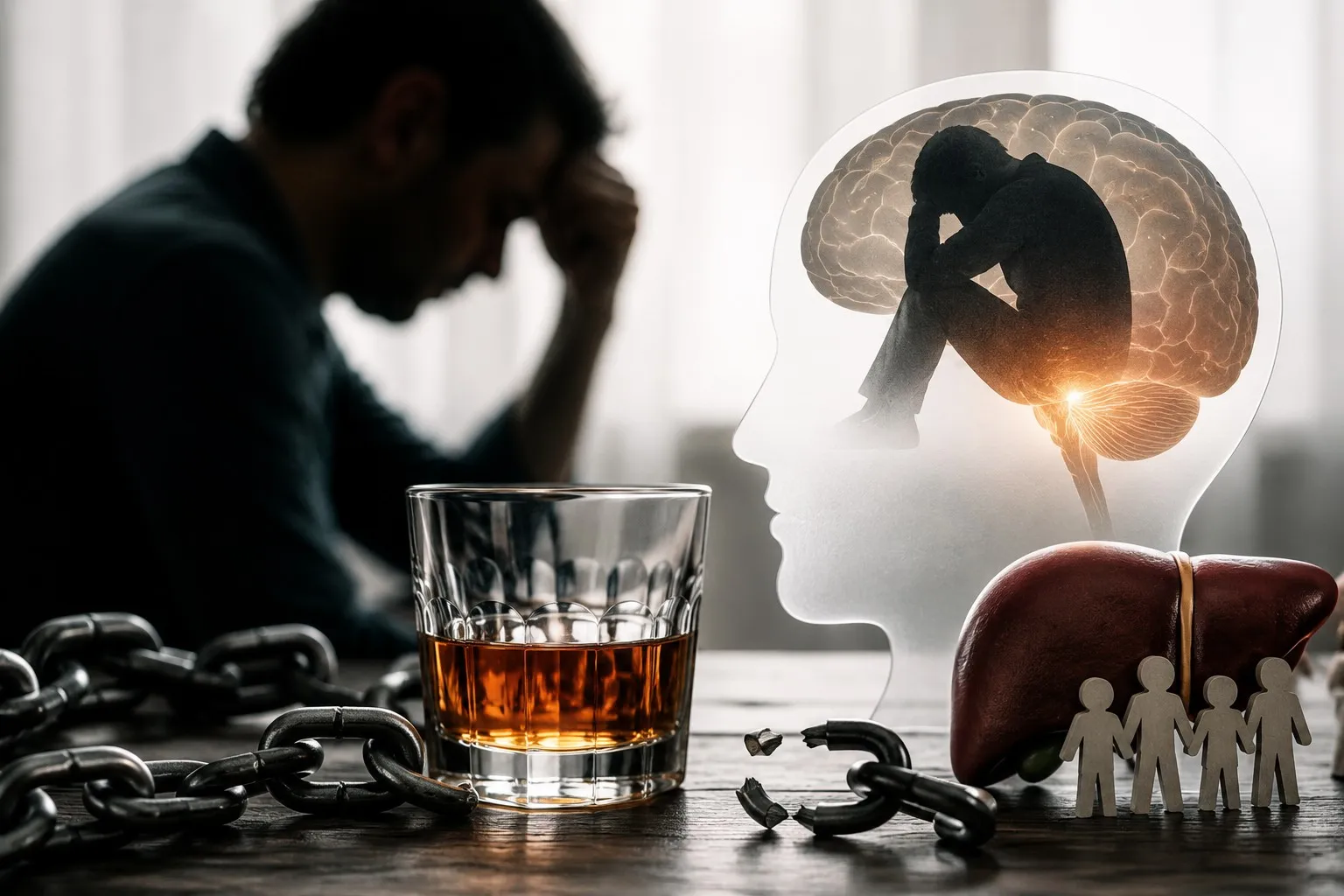
Isolation follows. Social withdrawal reduces corrective feedback and emotional support, allowing addictive patterns to deepen unchecked. In solitude, behaviors escalate. Connection diminishes. The addiction becomes both refuge and prison.
Breaking the Trauma–Addiction Cycle
Addressing addiction without acknowledging trauma overlooks its primary engine. Trauma-informed recovery prioritizes safety, regulation, and empowerment. The focus shifts from behavior suppression to nervous system stabilization.
Practices that restore emotional regulation—such as mindfulness-based interventions, somatic therapies, and structured support—help recalibrate stress responses. Over time, resilience replaces reactivity. Coping expands. Choice returns.
Finding the Right Path to Recovery
Struggling with opioid dependence can feel overwhelming, but support is available in many communities. Accessing professional help is a crucial step toward regaining control and improving overall well-being. Individuals seeking effective solutions often explore medication-assisted options alongside counseling and therapy. For those considering their choices, searching for subutex treatment near me can help connect with licensed providers who specialize in managing withdrawal symptoms and supporting long-term recovery. Personalized treatment plans, compassionate care, and ongoing monitoring ensure safety and effectiveness. With the right resources, patients can build a sustainable path toward stability, health, and a renewed sense of hope.
Conclusion
Addictive behaviors rarely emerge in a vacuum. They are often the downstream consequences of unresolved trauma and unrelenting stress. Understanding this relationship reframes addiction not as a moral failure, but as an adaptive response that outlived its usefulness.
When trauma and stress are addressed at their roots, the compulsion to escape diminishes. Healing becomes possible. Not through force, but through understanding, regulation, and restored connection.




























Sign in to leave a comment.