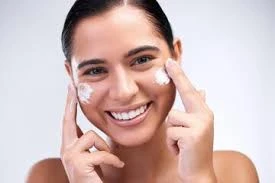


In 2026, the era of "guessing your way to great skin" has reached a definitive end. For years, the skincare journey for most consumers was a costly, frustrating cycle of trial and error buying the latest viral serum, hoping it would solve a specific concern, and then discarding it weeks later when it failed to deliver or, worse, caused a reaction.
However, as we move through 2026, the data is clear: consumers are walking away from this experimental mindset. According to recent 2026 beauty reports, trust is no longer earned through glossy marketing or celebrity endorsements alone; it is earned through verifiable proof and biological accuracy. The industry is shifting from a "hope-based" economy to a "results-based" economy, and here is why trial and error is losing its grip on the market.
1. The Financial and Emotional Cost of Failure
The primary reason consumers are rejecting trial and error is the sheer exhaustion of the "failed purchase" cycle. In a saturated market, the average shopper has historically spent hundreds of dollars annually on products that do not align with their actual skin needs.
In 2026, value is being redefined. It is no longer about the lowest price point, but the highest efficacy-to-spend ratio. When a consumer buys a moisturizer for skin barrier repair, they aren't just looking for a cream; they are investing in a dermatological outcome. Every failed product represents not just a loss of money, but a setback in their skin health journey, leading to a "trust deficit" that modern brands are struggling to overcome.
2. The Epidemic of Barrier Damage
Perhaps the most significant clinical driver behind this shift is the rise of Skin Barrier Burnout. Throughout the early 2020s, the "trial and error" method often involved layering high-strength actives - retinols, AHAs, and Vitamin C without a professional roadmap. The result was a global spike in sensitized, reactive, and chronically inflamed skin.
Dermatologists in 2026 report that a majority of new patients arrive with damage caused by "experimenting" with incompatible products. This has led to a "Skin Barrier First" movement. Consumers have realized that their skin is not a testing ground; it is a delicate ecosystem. They are now gravitating toward "safe" bets formulas that prioritize longevity and resilience over aggressive, unverified "quick fixes."
3. The Rise of AI-Powered Precision

Trial and error is fundamentally an information problem. In the past, we didn't have the tools to know exactly what our skin needed at a cellular level. In 2026, that has changed.
Advanced AI diagnostics have moved from the doctor's office to the smartphone. AR-driven skin scans can now analyze hydration levels, melanin distribution, and even sub-surface inflammation with 95% accuracy. This "Digital Twin" technology allows consumers to see the predicted outcome of a product before they even open the bottle. When a shopper can receive a hyper-personalized recommendation for a salicylic acid serum based on their real-time pore congestion levels, the old method of "buying and hoping" starts to look prehistoric.
4. The Shift from Marketing to "Conscious Science"
Ingredient awareness has peaked in 2026. Today's "Skintellectual" consumer can spot a marketing fluff-piece from a mile away. They are no longer looking for "magic" ingredients; they are looking for biotech-derived precision.
- Radical Transparency: Brands are now expected to provide "Digital Product Passports" that show the clinical trial data for every batch.
- Outcome Accountability: If a brand claims to reduce hyperpigmentation, the 2026 consumer expects to see the exact percentage of the active used and why that dosage was chosen.
- Expert Influence: The generalist lifestyle influencer has been replaced by the "Expert-as-Influencer." Chemists, biologists, and dermatologists are now the primary voices that consumers trust to guide their purchases.
5. From "Anti-Aging" to "Longevity"
The "trial and error" mindset was often fueled by the frantic pursuit of "erasing" signs of aging. In 2026, the narrative has shifted to Skin Longevity. This is a marathon, not a sprint. Consistency is the new gold standard.
Consumers now understand that dramatic changes happen through slow, steady cellular support rather than a rotating carousel of different products. They want a "Skin Identity" routine—a core set of products that they can trust to work every single day without fail. They would rather stick to a proven dark spot correcting serum for six months than try three different "miracle" brighteners in six weeks.
Summary: The New Luxury is Certainty
In 2026, the ultimate luxury in skincare is not a gold-plated jar or a celebrity face; it is certainty. We are moving toward a future where "buying skincare" feels less like a gamble and more like a prescription.
Brands that continue to rely on hype and "trial-friendly" marketing are losing ground to those that offer diagnostic tools, clinical evidence, and bio-harmonious formulations. The message from the 2026 consumer is loud and clear: "Stop guessing with my face, and start proving it with science."
Frequently Asked Questions
Why is trial and error considered "risky" for skin health?
Trial and error often involves mixing incompatible active ingredients, which can lead to "chemical interference." This can cause chronic inflammation, weaken the skin barrier, and make the skin more susceptible to environmental damage and premature aging.
How does AI reduce the need for trial and error?
AI uses computer vision and machine learning to analyze your skin's specific markers (like oiliness, redness, and texture) and cross-references them with thousands of dermatological data points. This ensures you only buy products that are chemically suited to your unique "Skin Identity."
Is "Biotech" skincare the same as "Natural" skincare?
No. Biotech skincare uses lab-grown, "nature-identical" ingredients. While natural ingredients can vary in potency depending on the soil and season, biotech ingredients are created in controlled environments, ensuring every bottle has the exact same efficacy and safety profile.
What is a "Digital Product Passport"?
In 2026, this is a QR code on packaging that allows you to see the entire history of the product, including where ingredients were sourced, the results of the specific batch's safety tests, and the clinical evidence supporting its claims.















Sign in to leave a comment.