


In 2026, the definition of "sensitive skin" has undergone a scientific transformation. No longer dismissed as a minor inconvenience, it is now understood as a complex neuro-inflammatory state. According to current dermatological research, over 50% of the population now identifies as having sensitive skin, driven by a combination of environmental pollutants, "over-care" (the overuse of aggressive cosmetics), and the rising impact of psychological stress on our biology.
Managing sensitive skin in 2026 isn't just about what you remove from your routine; it’s about a strategic, clinical intervention that targets the Skin-Brain Axis and the Microbiome. Here is the science-backed blueprint for achieving a calmer, more resilient complexion.
1. The "Neuro-Soothing" Approach
One of the most significant breakthroughs this year is the field of Psychodermatology. We now know that the skin and the brain share the same embryonic origin, meaning your nervous system is hard-wired into your skin cells. When you are stressed, your skin releases neuropeptides like Substance P, which directly trigger redness, itching, and burning.
- The Science: Sensitive skin often involves an over-activation of the TRPV1 receptor—the same receptor that reacts to heat and spicy chili peppers.
- The Solution: 2026 formulations are increasingly using "Neuro-Calming" actives like Palmitoylethanolamide (PEA) or Mirabilis Jalapa extract. These ingredients work by essentially "lowering the volume" of the skin’s sensory nerves, reducing reactivity to external triggers.
2. Barrier-First, Actives-Second
The "Anti-Aging" obsession of the early 2020s led to an epidemic of impaired barriers. In 2026, the industry has pivoted toward Barrier Longevity. A sensitive skin routine must prioritize the "Brick and Mortar" of the stratum corneum: ceramides, cholesterol, and fatty acids.
- The Habit: Swap your morning scrub for a foaming cleanser for acne that is specifically pH-balanced (ideally between 4.5 and 5.5). This ensures you clear debris without dissolving the essential lipids that keep irritants out.
- The Golden Ratio: Look for the "3:1:1" lipid ratio in your moisturizer for skin barrier repair. This specific balance of ceramides, cholesterol, and fatty acids has been clinically proven to accelerate barrier recovery faster than traditional lotions.
3. Microbiome Diversity: The Invisible Shield

In 2026, we recognize that sensitive skin is often "Microbiome-Depleted." When your beneficial bacteria are killed off by harsh alcohols or synthetic fragrances, opportunistic pathogens move in, causing chronic low-grade inflammation.
- The Strategy: Incorporate Postbiotics. Unlike probiotics (live bacteria), postbiotics are the beneficial byproducts of fermentation (like Lactobacillus Ferment). They provide the anti-inflammatory benefits of healthy bacteria without the risk of "overwhelming" a sensitized immune system.
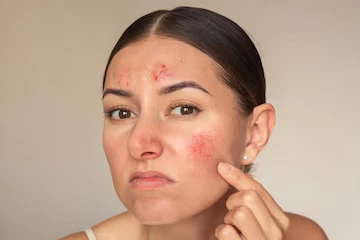
The Result: Clinical studies show that supporting the microbiome can reduce rosacea-related redness by up to 30% by strengthening the skin's natural "immune surveillance."
2026 Comparison: Reactive vs. Resilient Protocols
| Category | The "Reactive" Routine (Old) | The "Resilient" Routine (2026) |
|---|---|---|
| Cleansing | Double-cleansing with harsh oils. | Single, lipid-enriched barrier wash. |
| Exfoliation | High-strength Glycolic Acid. | PHA (Polyhydroxy Acid) or Bakuchiol. |
| Treatment | Multiple layered serums. | Precision micro-dosing (treating spots only). |
| Moisturization | Heavy, occlusive "slugging." | Biomimetic lipid-replenishing creams. |
4. Precision Intervention: Stop the "Whole-Face" Bombing
The most common mistake for sensitive, acne-prone skin is applying a drying treatment to the entire face. This triggers a cycle of irritation that actually causes more breakouts.
- The 2026 Fix: Use "Isolation Therapy." If you have a flare-up, use an acne spot corrector gel that targets the blemish with encapsulated salicylic acid. This allows the active to bypass the sensitive surface and work deep in the pore without drying out the surrounding healthy skin.
- Patching it up: For overnight relief, acne patches for oily acne prone skin provide a physical barrier that prevents you from touching the area while delivering a localized "calming dose."
5. Temperature and Lifestyle Control
Science has confirmed that "Physical Stressors" are just as impactful as chemical ones. Hot water is a major culprit in 2026 skin sensitivity, as it liquefies the very lipids you are trying to preserve.
- The Habit: Wash your face with tepid water (room temperature).
- The Diet Link: High-capsaicin foods (spicy peppers) and alcohol trigger vasodilation, which can cause "flushing" that eventually leads to permanent broken capillaries (telangiectasia). Keeping a "Skin Diary" to track these triggers is now a standard dermatological recommendation.
Summary: The Path to Resilience
Sensitive skin in 2026 is no longer a life sentence. By shifting your focus from "fixing flaws" to "building resilience," you can move your skin from a state of hyper-reactivity to one of calm stability. Remember: a healthy barrier is the best anti-aging, anti-acne, and anti-sensitivity tool you will ever own.
Frequently Asked Questions
Is "Clean Beauty" better for sensitive skin?
Not necessarily. In 2026, we know that many "natural" essential oils (like lavender or citrus) are actually high-level allergens. "Clinical Beauty" which uses purified, lab-tested molecules is generally safer for reactive types.
How do I know if my dark spot correcting serum is safe for me?
Perform a "Repeat Insult Patch Test" (RIPT). Apply a small amount behind your ear for three consecutive nights. If no redness occurs, you can transition it to your face, starting just twice a week.
Can stress actually cause my skin to itch?
Yes. This is called "Psychogenic Itch." When the brain is under stress, it can misinterpret signals from the skin's nerves, leading to a sensation of itching or crawling even when no external irritant is present.
Why is my skin more sensitive in the winter?
Cold air holds less moisture, leading to "Winter Xerosis." This causes micro-cracks in the skin barrier, allowing allergens to penetrate deeper. Switching to a richer moisturizer for skin barrier repair during these months is essential.




























Sign in to leave a comment.