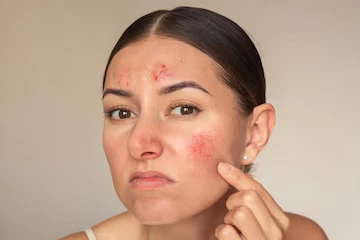


There is something undeniably cozy about the sound of rain against the window, but for those of us prone to breakouts, the monsoon season brings a specific kind of dread. You might notice that as soon as the humidity spikes, your skin starts acting like a completely different entity. It feels heavier, looks shinier, and suddenly, those deep, painful bumps start appearing along your forehead and jawline. While the cooler rain feels like a relief from the summer heat, the moisture in the air is actually creating a “greenhouse effect” right on your face.
Monsoon acne isn’t just a myth; it is a biological response to a dramatic environmental shift. When the air is thick with water vapor, your skin struggles to breathe and regulate its temperature. This leads to a cycle of congestion that can be incredibly difficult to break if you don’t change your strategy. To combat this, shifting your focus toward deep purification is essential. Using a high-quality pimple clear face wash during the rainy months helps strip away the sticky mixture of rainwater, sweat, and pollution that settles into your pores during a humid afternoon.
The Humidity Trap: A Breeding Ground for Bacteria
To understand why rain leads to spots, we have to look at the physics of sweat. In dry weather, sweat evaporates quickly, cooling the skin. In the monsoon, the air is already saturated with moisture, so your sweat has nowhere to go. It sits on the surface, mixing with your natural sebum to create a thick, occlusive film.
This environment is basically a five-star resort for Cutibacterium acnes, the bacteria responsible for breakouts. Furthermore, humidity causes the skin cells to swell, which physically narrows the opening of your pores. According to a study on the environmental triggers of acne, high humidity and heat significantly increase sebum excretion rates. When you combine more oil with narrower pore openings and trapped bacteria, you have the perfect recipe for a “monsoon flare-up.”
Rainwater Isn’t As Pure As You Think
Many people make the mistake of thinking that getting caught in a downpour is like giving their face a natural rinse. In reality, rainwater — especially in urban areas — collects pollutants, dust, and chemicals as it falls through the atmosphere. When this water dries on your skin, it leaves behind a grimy residue that can cause “contact dermatitis” or trigger inflammatory acne.
If you’ve been out in the rain, your first priority when you get home should be stabilization. If you notice a red, angry spot forming after a damp commute, don’t wait for it to become a full-scale problem. Applying a drying lotion acne treatment immediately can help neutralize the area and dry out the excess oil before the infection spreads deeper into the follicle.
The Fungal Factor
One unique challenge of the monsoon is “fungal acne” (pityrosporum folliculitis). Unlike traditional acne, this is caused by an overgrowth of yeast that thrives in warm, damp conditions. If your breakouts look like tiny, uniform, itchy bumps rather than varying sizes of pimples, you might be dealing with a fungal issue.
Because the air is so damp, your skin’s microbiome gets thrown out of balance. This is why it’s so important to keep the skin as dry and clean as possible. For those inevitable whiteheads that pop up due to the humidity, using a hydrocolloid acne patch is a brilliant move. It creates a vacuum-sealed environment that protects the spot from the humid air outside, preventing further bacterial or fungal invasion while it heals.
Mastering the Monsoon Routine
Managing your skin during the rainy season requires a “less is more” approach. This isn’t the time for heavy, oil-based creams or thick foundations. Switch to water-based, non-comedogenic formulas that won’t add to the congestion. You want to focus on “double cleansing” if you’ve been outside, ensuring that every trace of humidity-trapped grime is gone before you hit the pillow.
Lightweight hydration is also key. Just because the air is wet doesn’t mean your skin is hydrated. Often, the skin becomes “surface dry” but oily underneath. A light, oil-free gel can keep the barrier strong without feeling like a heavy mask. By keeping the skin cool and the pores clear, you can enjoy the rain without the unwanted side effects on your complexion.
Conclusion
The monsoon season doesn’t have to be a disaster for your skin. By understanding that humidity is the primary driver of your breakouts, you can adjust your routine to be more “defensive.” Focus on thorough cleansing, avoid touching your face with damp hands, and treat new spots with precision the moment they appear. Whether you’re reaching for a pimple clear face wash after a long day or using patches to keep bacteria at bay, a little extra care goes a long way. Stay dry, stay consistent, and let your skin glow even when the sun isn’t shining.
Frequently Asked Questions
Why does my skin feel so itchy during the monsoon?
The combination of sweat and high humidity can cause “prickly heat” or mild fungal irritation. It’s important to keep your skin cool and avoid wearing tight, synthetic fabrics that trap moisture against your body.
Should I stop using moisturizer when it’s humid?
No! Skipping moisturizer can actually make your skin produce more oil to compensate for a perceived lack of hydration. Just switch to a very light, water-based gel or serum.
Is it okay to exfoliate more during the rainy season?
You can exfoliate, but don’t overdo it. Once or twice a week is enough to remove the sticky dead skin cells. Over-exfoliating can damage your barrier, making it even easier for monsoon bacteria to enter.
Can diet affect monsoon acne?
Yes. High-humidity environments can sometimes make us crave fried or sugary “comfort foods.” These can spike insulin levels and increase oil production, making the effects of the humidity even worse.
How can I tell the difference between fungal acne and regular acne? Fungal acne is usually very itchy and consists of small, red bumps that stay the same size. Regular acne varies in size, often has “heads,” and is usually more painful than itchy.































Sign in to leave a comment.