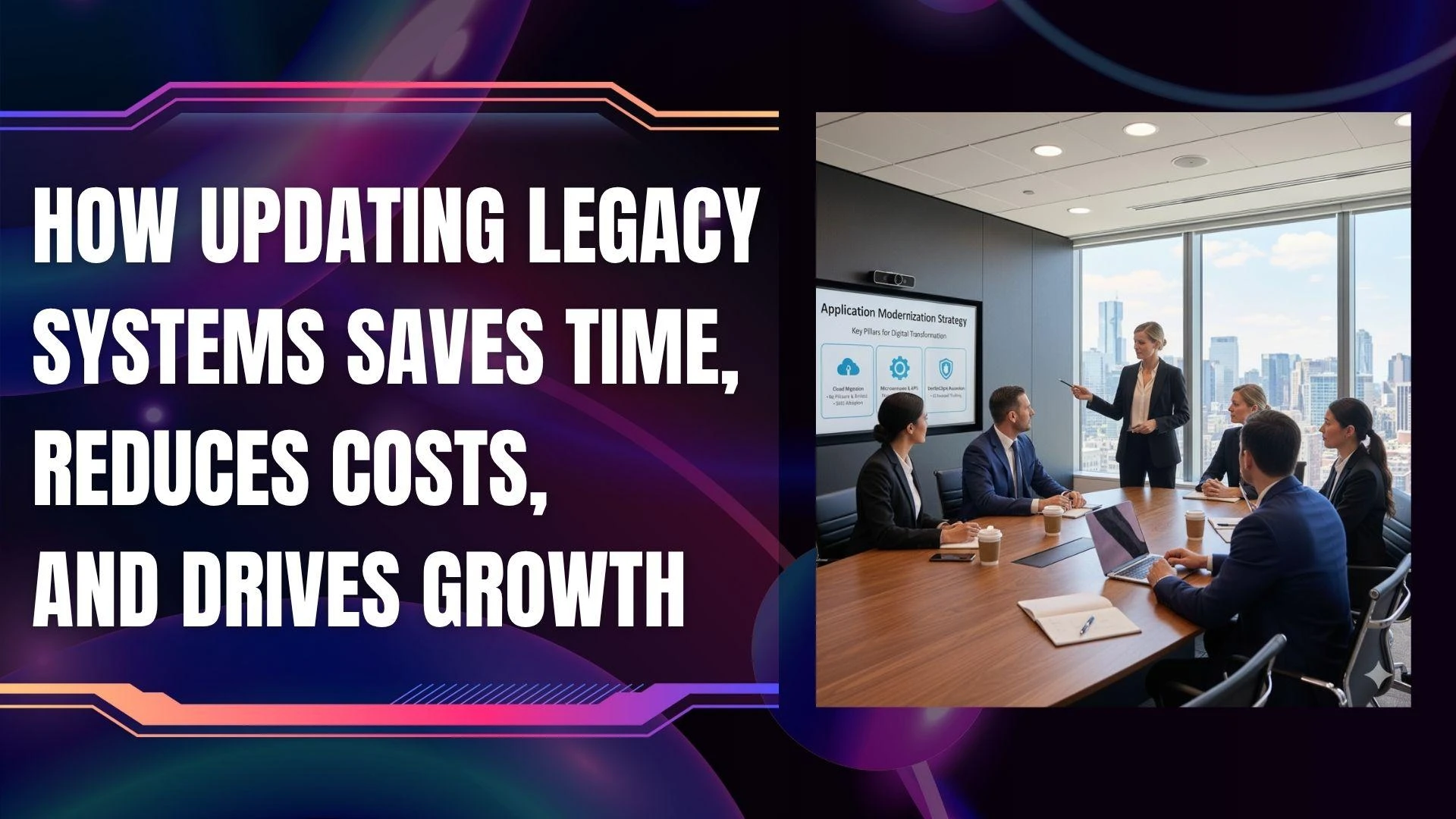

Many organizations continue to rely on legacy systems, software that was essential in the past but now struggles to keep up with modern business demands. These older systems can slow operations, increase costs, and create obstacles to growth. Updating them through application modernization services allows businesses to streamline processes, improve efficiency, and create opportunities for future expansion.
Legacy systems were built in a different era of technology. They may not integrate easily with modern tools, support mobile platforms, or provide the insights needed to make informed decisions. A company managing customer data on outdated software might spend hours consolidating information manually, creating inefficiencies across the organization. Legacy modernization addresses these issues by aligning systems with current business practices and technologies.
Why Modernizing Applications Matters
Legacy software often comes with hidden challenges. Maintenance can be complicated, errors are common, and compatibility issues arise when integrating with newer platforms. For example, a financial services company using decades-old accounting software may struggle to adopt cloud-based analytics or automated reporting tools. Without modernization, employees waste time navigating cumbersome systems, and management misses opportunities to respond quickly to market changes.
Application modernization enables organizations to replace or update older applications, making them easier to maintain, more reliable, and flexible. An application modernization company can lead organizations through this process, prioritizing applications to modernize and implementing them to allow seamless execution of daily demands while preparing the business for the future.
Saving Time Through Modern Software
Time is one of the most valuable resources for any business. Legacy systems often require repetitive tasks, manual data entry, and workarounds to achieve results. Employees may spend hours troubleshooting issues that could be automated or handled by modern applications. Legacy application modernization focuses on streamlining workflows, automating processes, and enhancing system reliability.
For instance, a logistics company using an outdated routing system might spend hours manually adjusting delivery schedules. Modern software can optimize routes automatically based on traffic, weather, and delivery priorities, freeing employees to focus on customer service and strategic planning. Cloud-based solutions also allow teams across different locations to collaborate in real time, eliminating delays caused by disconnected systems. The time saved can be reinvested into innovation, customer engagement, and other value-driven activities.
Reducing Costs With Software Modernization
Maintaining legacy software can be expensive. IT teams often spend significant resources patching systems, replacing failing hardware, and managing inefficiencies caused by slow or unsupported applications. Legacy software modernization addresses these issues by updating or replacing older systems with more efficient solutions.
For example, a company using an old customer relationship management system may spend thousands annually on maintenance and support. Migrating to a modern CRM can reduce costs, eliminate redundant software, and improve productivity. Cloud-based platforms further reduce expenses by removing the need for on-site servers and lowering maintenance costs. Application modernization services provide long-term savings while also laying the foundation for future technology investments.
Driving Growth With App Modernization
Updating legacy systems can open pathways for growth, in addition to addressing an immediate pain point. More modern applications likely provide better visibility into the business, improve customer interactions, and allow for scalable workflows. A retail business that updates its point-of-sale software may have more visibility into its customers. They can better understand purchasing patterns, better manage their inventory, and provide more personalized promotions.
A manufacturing company that updates its production software may have more opportunities to monitor their operations and reduce unplanned downtime while increasing production without hiring additional employees.
Legacy application modernization allows businesses to be nimble, embracing consumer preferences and trends, rapidly adding new technologies, and improving the experience for customers. A modernized technology approach allows a business to leverage mobile applications, third-party integrations, and effective analytics to support business decision making. By thinking about technology as an enabler of growth versus a poor limit on growth, organizations can take advantage of new opportunities, operate more efficiently, and be more competitive.
Additional Benefits of Legacy System Modernization
Modernizing legacy systems brings advantages beyond time and cost savings. Security improves because outdated protocols and vulnerabilities are replaced, and software reliability increases as systems are updated and maintained. Teams can collaborate more effectively, as modern systems support remote work, integration with other platforms, and real-time data sharing.
Modern software also provides scalability, allowing organizations to grow without continually overhauling their technology. Partnering with an application modernization company like Jellyfish Technologies helps businesses create a long-term roadmap, ensuring investments deliver value for years to come. These benefits combine to make operations smoother, decision-making faster, and companies more adaptable to change.
Choosing the Right Modernization Strategy
Every organization has unique goals, so modernization strategies should be tailored accordingly. Some businesses benefit from incremental updates that gradually replace older components, while others require a complete redesign to meet operational and growth objectives. Application modernization services offer approaches such as rehosting, replatforming, or rearchitecting applications depending on the company’s priorities, budget, and risk tolerance.
A carefully planned modernization strategy ensures minimal disruption to daily operations while maximizing the value delivered by updated systems. Businesses that thoughtfully plan legacy system modernization are better equipped to handle challenges and leverage new opportunities as they arise.
Conclusion
Legacy systems were once critical to business operations, but over time, they can slow workflows, increase costs, and limit growth potential. Updating these systems with software modernization services provides clear benefits. Processes become faster and more efficient, expenses are reduced, and organizations gain the flexibility to innovate and scale. Legacy app modernization, cloud adoption, and updating core applications transform technology from a limitation into a powerful tool for growth. By investing in application modernization, businesses can turn outdated systems into tools that improve performance, enhance competitiveness, and support long-term success.

























Sign in to leave a comment.