
Important Points
- Explain how the issue of traceability is a crucial barrier to supply chains for recycling.
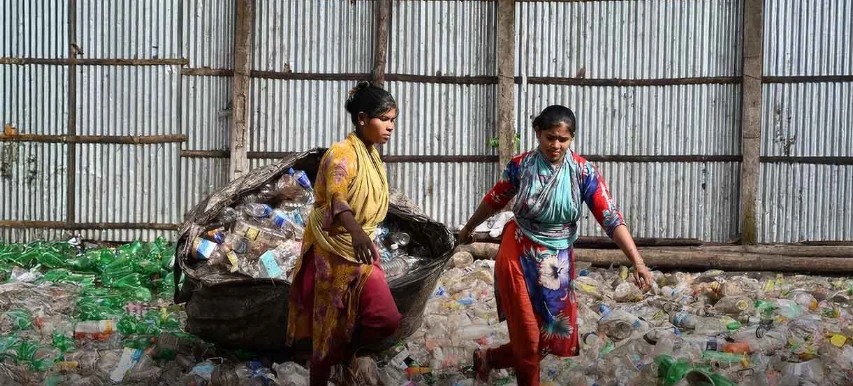
- Stress the vital roles that waste pickers play at the pickup location.
- Show how informal collectors improve data, raise compliance, and provide new material of higher quality.
- Connect the dots between official, verifiable recycling systems and unofficial collection.
One characteristic of contemporary recycling supply chains is traceability. In essence, it is the capacity to track recyclable materials from their point of origin to their collection, processing, and ultimate application. Regulators are requesting proof of compliance in EPR regimes, recyclers want consistent material quality to operate their businesses, and brands demand verifiable recycled feedstocks to fulfill sustainability commitments.
Traceability often fails at the start of the supply chain, despite these requests. Because of the collecting systems' frequent fragmentation, informality, and lack of documentation, it is very challenging to track down the origins of the material and its treatment. This disparity jeopardizes the growth potential of circular models and the possibility of increased trust for recycled content.
For this reason, waste pickers are the most underappreciated yet crucial piece of information in any recycling operation. The moment of garbage collection is when the ultimate traceability begins.
What Does Recycling Supply Chain Traceability Mean?
Knowing where, how, and by whom this recyclable material is used is another aspect of traceability.
Practically speaking, traceability connects several stages of the recycling process into an easily identifiable chain. The first step is to identify outlets, such as houses, highways, companies, or organizations. The material must then be appropriately processed to prevent contamination, which would negate the value of recycling findings.
In the processes of gathering, combining, transporting, and processing, documentation is essential. Recycled content rapidly loses credibility without documentation, which can be a big issue for organizations that want evidence of sustainability claims and compliance. It is commonly known that traceability issues often lead to regulatory risk, batch rejections, and a decline in trust in recycled inputs. Environmental integrity and commercial dependability are continuously guaranteed by a strong traceability structure.
Waste Workers: The Value Chain's First Link
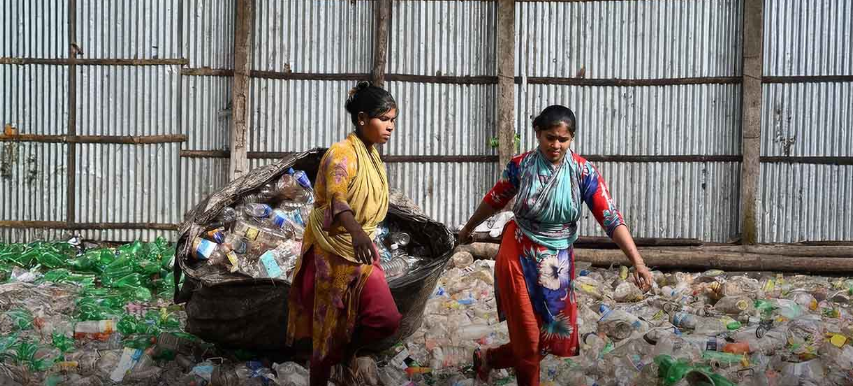
Waste pickers source, gather, and sort recyclables at the bottom of recycling supply chains.
They choose what goes into the recycling system and what condition it is in because they are the initial point of contact for recyclables. They are able to sort materials long before they ever reach aggregation centers because they have a thorough understanding of the various plastic types, grades, and recyclable values. This early segregation has a significant effect on the downstream process's efficiency.
When the collecting is done privately or without acknowledgment, a great deal of context and information on the material's origin and handling is lost. The consistency of overall traceability is weakened, contamination is encouraged, and data blind spots are introduced when such informal collectors are excluded from formal systems. For recycling systems to be transparent and accountable, they must acknowledge their starting point in the value chain.
How Waste Pickers Improve Traceability at the Material Level
When waste pickers are incorporated into formal processes, material sources become more visible and traceable.
The geography of recyclables is defined in part by designated sourcing locations and well-organized collecting routes. Sorting materials by kind, grade, and condition during the collecting stage helps reduce intermixing and lower downstream contamination levels. This obviously makes it possible for recyclers to link the material batches to specific locations and streams of collection.
In conclusion
Recycling traceability is not about technology or procedures, but about people.
Banyan Nation shows how material traceability can be achieved while providing real social benefits by integrating informal collection routes with formal procedures.

Sign in to leave a comment.