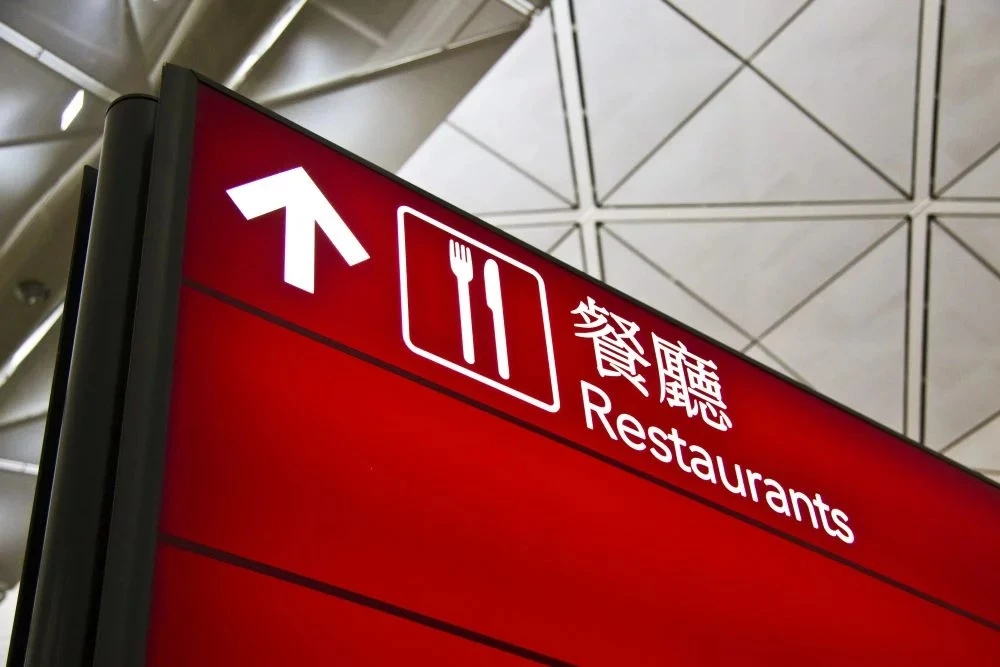

In today’s fast-paced world, navigating unfamiliar spaces—whether a hospital, university, corporate campus, shopping mall, or airport—can be a stressful experience. Confusing layouts, lack of clear directions, and inconsistent signage often contribute to frustration and lost time. This is where wayfinding signage companies come into play, providing expertly designed navigational systems that significantly reduce visitor stress and enhance the flow of people through spaces.
The Psychology of Wayfinding
Wayfinding is not just about signs; it’s a psychological process. Visitors interpret their environment and make decisions based on visual cues. When those cues are unclear or conflicting, it leads to cognitive overload, anxiety, and often, a negative perception of the place.
Wayfinding signage companies understand this dynamic. They don’t simply install signs—they create an intuitive journey. Through a blend of design, placement, and strategic thinking, they ensure that users can confidently move from point A to point B without feeling overwhelmed or lost.
Understanding Visitor Stress
Imagine walking into a multi-level hospital to visit a patient in the cardiology wing. You’re already emotionally vulnerable. Now, add in hard-to-read maps, signs hidden behind pillars, and unclear elevator instructions. The result? Stress levels rise. You waste time, ask for help, or worse, give up entirely.
These everyday situations happen in thousands of places worldwide, and the consequences go beyond inconvenience. In commercial spaces, confusion can lead to lost sales. In healthcare, it could delay patient care. In transportation hubs, it can cause missed flights or trains. Addressing this is both a design challenge and a human need.
How Wayfinding Signage Companies Make a Difference
1. Strategic Planning and Analysis
Professional wayfinding companies begin with a deep analysis of the space. They walk the paths of typical visitors, observe bottlenecks, identify confusing intersections, and study how people interact with the environment. This planning phase is critical to creating a user-centric signage system.
Their insights lead to signage that is not only aesthetically aligned with the space’s branding but functionally effective in guiding people smoothly.
2. Clear, Consistent Visual Language
A major contributor to visitor stress is inconsistency in design. Colors that clash, fonts that are hard to read, or symbols that differ from international norms all hinder navigation.
Wayfinding signage companies establish a consistent visual language: standard icons, legible typography, high-contrast color palettes, and uniform sign placements. These cues quickly become familiar, helping people instinctively understand where to go next.
3. Hierarchical Information Flow
Not all information is created equal. A visitor entering a convention center doesn’t need to know where each breakout room is right away—they need to find the registration desk first.
Wayfinding experts prioritize information based on need and proximity. Primary destinations (entrances, exits, lobbies) are emphasized first. Secondary details (restrooms, meeting rooms, elevators) follow naturally. This hierarchy minimizes decision fatigue and helps users focus on one step at a time.
4. Digital Integration and Smart Signage
Modern wayfinding signage companies are also incorporating digital tools. Interactive kiosks, touchscreens, and mobile wayfinding apps provide real-time navigation assistance. These digital signs are especially helpful in large or complex facilities where dynamic updates are necessary—like changing gate numbers at airports or conference schedules at event centers.
Smart signage not only supports flexibility but also caters to tech-savvy users who prefer interactive, on-demand directions.
5. ADA Compliance and Accessibility
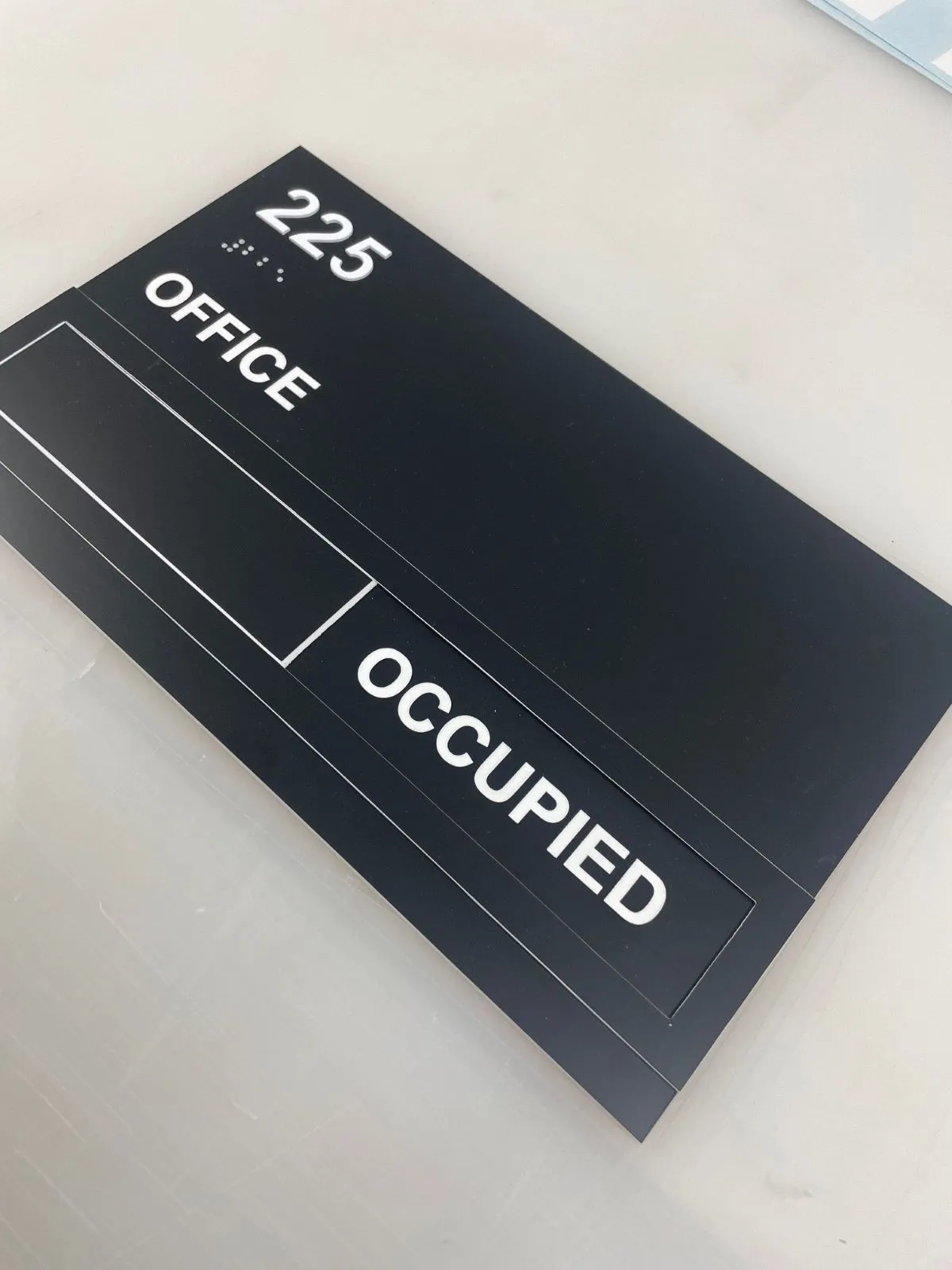
Reducing stress isn’t just about speed; it’s also about inclusion. Wayfinding companies are well-versed in accessibility standards such as the Americans with Disabilities Act (ADA) and other local regulations. They ensure signage is mounted at appropriate heights, includes tactile features like braille, and provides audio cues where needed.
Accessible wayfinding makes all visitors—regardless of age or ability—feel more confident and empowered in a space.
6. Improved Flow and Space Utilization
Beyond reducing stress, effective wayfinding improves the physical flow of people through a space. By directing foot traffic logically, it prevents crowding, reduces the load on staff asked for directions, and optimizes how a building is used.
For instance, a retail space with clear navigational signage can gently guide customers through key merchandise zones, boosting both dwell time and sales. In offices, smart signage reduces confusion among new employees or clients, creating a more professional experience from the start.
Real-World Examples of Stress-Free Navigation
- Hospitals: Partnering with wayfinding signage companies has helped hospitals reduce the number of lost patients and visitors, allowing medical staff to focus on care instead of giving directions.
- Airports: Many international airports have implemented multilingual, color-coded wayfinding systems designed by professionals to reduce anxiety for global travelers.
- Universities: Large campuses use branded, mapped signage systems to help new students and visitors move confidently between departments.
Conclusion
Wayfinding signage companies are not merely vendors installing signs—they are partners in creating clarity, reducing stress, and enhancing the visitor journey. Their role in the built environment is increasingly essential as public spaces become larger and more complex.
By investing in professional wayfinding, businesses and institutions not only create better first impressions but also improve operational flow and user satisfaction. In a world that’s always on the move, a well-designed path forward makes all the difference.























Sign in to leave a comment.