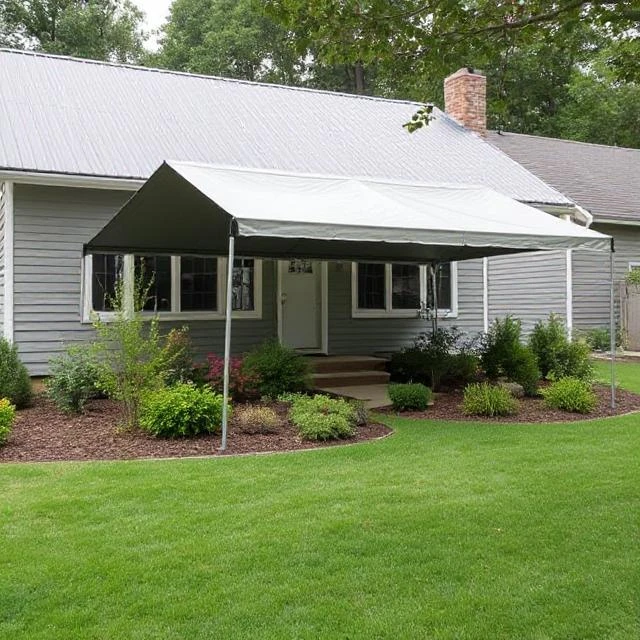

When it comes to protecting your belongings, projects, or equipment, the weather plays a big role in choosing the right cover. From hot summers to icy winters, each season brings different challenges. Picking the right material is not just about price — it’s about making sure your cover
lasts and keeps your items safe. If you choose the wrong one, you could end up with damage, costly repairs, or having to replace the cover much sooner than you expected. In the USA, where weather conditions can change quickly and vary from one state to another, understanding how climate affects cover selection is essential. This guide will help you learn how the weather impacts your choice and which materials work best for different conditions.
Why Weather Matters for Cover Selection
Weather affects everything — from the strength of the material to how long it lasts. Rain, snow, wind, and sun each cause wear and tear in different ways. A tarp or cover that works well in dry weather might not hold up in constant rain or heavy snow. Likewise, a cover made for cold climates may crack under extreme heat. When you match the material to the weather in your area, you get better protection and longer life from your cover. This means fewer replacements and better value for your money.
Common Weather Challenges
1. Heavy Rain and Moisture
In areas with frequent rainfall or high humidity, water resistance is key. Materials like vinyl and heavy-duty polyethylene (poly) are excellent because they repel water and prevent leaks. If the cover isn’t waterproof, water can seep through, causing rust, mold, or rot to whatever you’re protecting. Also, be sure the seams are well-sealed. Even the best waterproof material can fail if water gets in through poorly made seams.
2. Harsh Sun and UV Rays
In sunny states like Arizona, Nevada, or Florida, UV rays are the main enemy. Prolonged sun exposure can cause covers to fade, weaken, and eventually crack. Look for materials with UV protection built in. High-quality poly and canvas tarps with UV treatment are great options.
If your cover is going to sit outside in direct sunlight for months, untreated fabric will wear out much faster than UV-protected material.
3. Strong Winds
Wind can tear lightweight covers or cause them to flap, wearing out the edges. Heavy-duty tarps with reinforced edges and rust-resistant grommets are best in windy conditions. Thicker materials like heavy-duty vinyl hold up better against strong gusts. Securing your cover properly is just as important. Use bungee cords or tie-down straps to keep it tight, so wind doesn’t cause friction damage.
4. Snow and Ice
Cold weather brings its own set of problems. Snow is heavy, and ice can make the covers stiff and brittle. Materials like heavy-duty vinyl or PVC-coated fabrics stay flexible even in freezing temperatures. Avoid thin plastic covers in snowy areas because they can crack and tear when frozen. A strong frame or support under the cover can help prevent snow from building up and weighing it down.
Matching Material to Your Climate
Every region in the USA has unique weather patterns. Here’s a quick guide to help you choose:
Hot and Dry Climates: Go for UV-treated polyethylene or canvas to handle sun damage.
Rainy and Humid Climates: Choose waterproof vinyl or heavy-duty poly to keep moisture out.
Cold and Snowy Areas: Pick heavy-duty vinyl or PVC-coated material for flexibility in low temperatures.
Windy Locations: Use thick, reinforced tarps with strong grommets for secure fastening.
How Material Properties Affect Performance
Strength and Thickness
Thicker materials (measured in mils or ounces per square yard) are generally stronger and last longer. However, thicker doesn’t always mean better — if you’re only covering something short-term, a lighter option might be easier to handle.
Breathability
In some cases, you might need breathable covers, like untreated canvas, to allow air to flow and prevent moisture buildup underneath. This is especially helpful for covering wood or other materials that can warp if trapped moisture can’t escape.
Flexibility
A material that stays flexible in your climate is crucial. Stiff covers are harder to handle and more likely to crack. Vinyl-coated materials are a good choice in both hot and cold weather.
Mistakes to Avoid When Choosing a Cover
Choosing Based Only on Price: Cheaper covers may save money upfront, but they often wear out faster and need replacement sooner.
Ignoring Local Weather: A tarp that works in Texas heat may fail quickly in Minnesota’s snow. Always match your choice to the climate.
Not Securing the Cover Properly: Even the best material can tear if it’s flapping in the wind. Proper tie-downs make a huge difference.
Using the Wrong Size: Covers that are too small won’t protect fully, and ones that are too big may sag and collect water. This is where custom-sized tarp and cover solutions can be very helpful.
Conclusion
The weather you face every day has a big impact on how long your cover lasts and how well it works. Whether you’re protecting a vehicle, outdoor furniture, or a worksite, choosing the right material for your climate is key to keeping your belongings safe. By understanding how rain, sun, wind, and snow affect different materials, you can make a smarter choice and avoid costly mistakes. Tarps Plus provides durable covers designed to withstand any weather.

























Sign in to leave a comment.