
Your roof is constantly exposed to the elements, acting as the first line of defense against nature. From scorching heat to heavy storms, weather conditions can gradually weaken its structure and performance. Understanding how different climates affect your roof can help you identify early warning signs and decide the right time for Roof repair before small issues turn into costly problems.
How Different Weather Conditions Affect Your Roof
Intense Sun and Heat
Prolonged exposure to sunlight can cause roofing materials to deteriorate over time. Asphalt shingles may dry out, crack, or curl due to constant heat. In warmer regions, UV rays can also fade the protective coating on your roof, reducing its ability to reflect heat and increasing indoor temperatures.
Heavy Rain and Moisture
Rainwater can seep into even the smallest cracks or gaps. Over time, this moisture can lead to mold growth, wood rot, and structural damage. Poor drainage systems or clogged gutters can make the situation worse, allowing water to pool on the roof surface.
Snow and Ice
In colder climates, snow accumulation adds extra weight to your roof. When snow melts and refreezes, it can form ice dams that block proper drainage. This forces water under the shingles, increasing the risk of leaks and internal damage.
Strong Winds and Storms
High winds can loosen or completely remove shingles, leaving your roof exposed. Storms often carry debris such as branches or dirt, which can strike the roof and cause physical damage. Even if the damage is not immediately visible, it may weaken the structure over time.
Hail Damage
Hailstorms can create dents, cracks, or punctures in roofing materials. While some damage may appear minor, it can compromise the integrity of the roof and lead to leaks during the next rainfall.
Signs Your Roof Needs Repair
Visible Damage
Look for cracked, curled, or missing shingles. These are clear indicators that your roof has been affected by weather and needs attention.
Water Stains and Leaks
Brown spots on ceilings or walls often signal a leak. This usually means water has already penetrated the roofing system and requires immediate action.
Sagging Areas
A sagging roof is a serious issue that may indicate structural damage caused by prolonged moisture exposure or heavy loads like snow.
Granule Loss
If you notice granules from shingles collecting in gutters, it may be a sign that your roof is aging and losing its protective layer.
Increased Energy Bills
A damaged roof can affect insulation, causing your heating or cooling system to work harder. This often results in higher energy costs.
When Is the Right Time to Repair Your Roof?
After Severe Weather Events
It is always a good idea to inspect your roof after storms, heavy rain, or snowfall. Even if there are no visible issues, hidden damage could worsen over time.
Seasonal Inspections
Regular inspections during spring and fall can help catch problems early. These seasons provide moderate weather conditions, making repairs easier and more effective.
When Minor Issues Appear
Small problems like a loose shingle or minor leak should not be ignored. Addressing them early can prevent more extensive and expensive repairs later.
Aging Roof
Most roofing materials have a lifespan. If your roof is nearing the end of its expected life, frequent inspections and timely repairs become essential.
Preventive Measures to Protect Your Roof
Regular Maintenance
Cleaning gutters, removing debris, and checking for damage can significantly extend the life of your roof.
Proper Ventilation
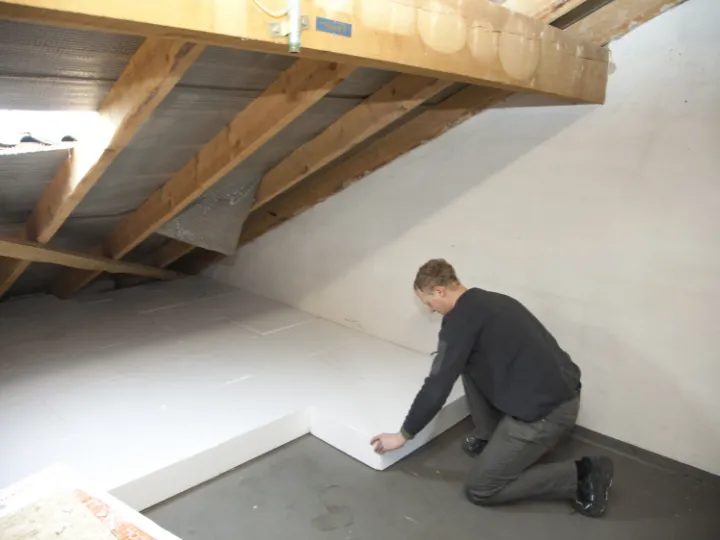
Good attic ventilation helps regulate temperature and moisture levels, reducing stress on roofing materials.
Quality Materials
Using durable, weather-resistant materials can improve your roof’s ability to withstand harsh conditions.
Professional Inspections
Having a professional assess your roof periodically ensures that hidden issues are detected early.
Final Thought
Weather plays a major role in the lifespan and performance of your roof. While you cannot control the elements, you can stay proactive in maintaining and repairing your roof when needed. By understanding the impact of different weather conditions and recognizing early signs of damage, you can protect your home and avoid costly repairs in the future. A well-maintained roof not only enhances safety but also improves overall comfort and energy efficiency.
FAQs
1. How often should I inspect my roof for weather damage?
It is recommended to inspect your roof at least twice a year and after major weather events.
2. Can small roof damage lead to bigger problems?
Yes, minor issues like small leaks or loose shingles can quickly escalate into serious structural damage if ignored.
3. What is the most common weather-related roof damage?
Common issues include cracked shingles from heat, leaks from rain, and damage from strong winds or hail.
4. Is it safe to inspect my roof myself?
While you can do a basic visual check, professional inspections are safer and more thorough.
5. How long does a typical roof last?
The lifespan depends on the material, but most roofs last between 20 to 30 years with proper maintenance.


























Sign in to leave a comment.