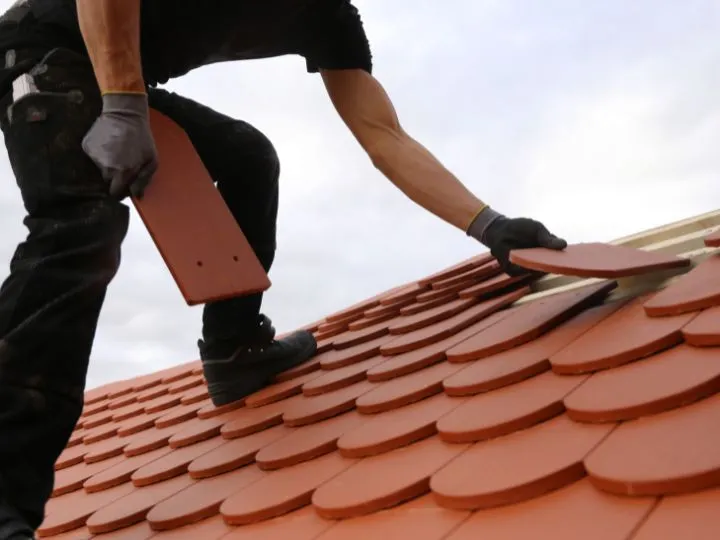

Upgrading your roof is a major home improvement decision that requires careful planning and the right approach. Whether you're dealing with aging materials or preparing your home for long-term durability, understanding the process can make everything more manageable. These expert tips will help ensure your roof upgrade goes as smoothly as possible while avoiding common pitfalls.
Why Planning Matters Before You Begin
A successful roof upgrade starts long before any materials arrive at your property. Proper planning helps reduce unexpected delays, control costs, and ensure high-quality results.
1. Assess Your Current Roof Condition
Before making decisions, evaluate your roof's current condition. Look for signs like leaks, missing shingles, or structural wear. A professional inspection can provide clarity on whether a full upgrade is necessary or if partial repairs will suffice.
2. Set a Realistic Budget
Understanding your financial limits is crucial. Factor in materials, labor, permits, and unexpected repairs. A well-planned budget prevents stress later in the process and helps you make informed choices.
Choosing the Right Materials and Contractor
Selecting the right materials and professionals can significantly impact the outcome of your project.
3. Select Durable Materials
Different roofing materials offer varying levels of durability, energy efficiency, and visual appeal. Consider your local climate and long-term maintenance needs when making a selection.
4. Hire Experienced Professionals
Working with skilled and reputable contractors ensures your project meets industry standards. Look for proper licensing, insurance, and a solid track record of completed projects.
5. Understand the Scope of Work
Before starting, ensure you have a detailed agreement outlining timelines, materials, and responsibilities. Clear communication reduces misunderstandings and keeps the project on track.
Preparing Your Home for the Upgrade
Preparation is key to minimizing disruptions during the process.
6. Protect Your Belongings
Roof work can cause vibrations throughout your home. Secure fragile items, especially in the attic and on upper floors, to prevent accidental damage.
7. Inform Your Neighbors
Roof upgrades can be noisy and may impact nearby properties. Giving your neighbors a heads-up helps maintain good relationships and avoids unnecessary complaints.
Managing the Installation Process
Staying involved during installation ensures everything proceeds according to plan.
8. Monitor Progress Regularly
You don’t need to oversee every detail, but periodic check-ins help ensure the work aligns with expectations. Address concerns early to avoid complications later.
9. Prioritize Safety Measures
A professional team should follow strict safety protocols. Confirm that proper equipment and precautions are in place to protect both workers and your property.
Post-Installation Best Practices
Once the upgrade is complete, a few final steps can help you get the most out of your investment.
10. Schedule a Final Inspection
After the project is finished, conduct a thorough inspection with your contractor. This ensures all work meets quality standards and addresses any remaining issues before sign-off.
Additionally, maintaining your new system with routine inspections and timely repairs will extend its lifespan. A well-executed Roof replacement not only enhances your home’s protection but also improves its overall value and curb appeal.
Final Thoughts
A smooth roof upgrade process comes down to preparation, informed decision-making, and working with the right professionals. By following these expert tips, you can minimize stress and ensure a successful outcome. Taking a proactive approach helps you protect your home while making the most of your investment for years to come.






















Sign in to leave a comment.