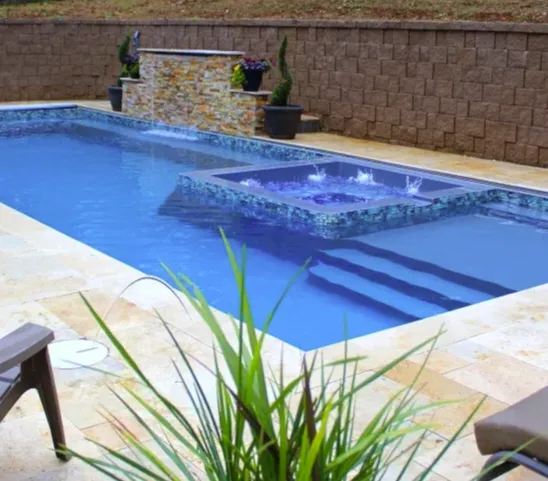

Maintaining a swimming pool can seem daunting, but with the right knowledge and tools, it can be a straightforward and rewarding task. A well-maintained pool not only enhances your backyard's aesthetic appeal but also ensures the safety and health of your family and friends. In this guide, we will explore essential swimming pool maintenance tips that every homeowner should know.

Understanding Your Pool
Before diving into maintenance tips, it's crucial to understand the type of pool you have. There are primarily two types of pools: in-ground and above-ground. Each type has its unique maintenance requirements, especially when considering services like swimming pool renovation services.
In-Ground Pools
In-ground pools are typically made from concrete, fiberglass, or vinyl. They require regular maintenance, including:
- Water Chemistry: Regularly test the water for pH, chlorine, and alkalinity levels.
- Cleaning: Skim the surface for debris and vacuum the bottom.
- Filtration: Ensure the filtration system is functioning correctly.
Above-Ground Pools
Above-ground pools are generally easier to maintain but still require attention:
- Water Levels: Keep the water level consistent to ensure proper filtration.
- Covering: Use a cover during off-seasons to prevent debris accumulation.
- Cleaning: Regularly check for algae growth and clean the sides.
Regular Water Testing
One of the most critical aspects of pool maintenance is water testing. The water's chemical balance affects everything from the pool's clarity to the health of swimmers. Here’s how to keep your pool water in check:
pH Levels
The ideal pH level for pool water is between 7.2 and 7.8. If the pH is too low, it can cause skin irritation and corrosion of pool equipment. If it's too high, it can lead to cloudy water and scaling.
Chlorine Levels
Chlorine is essential for keeping your pool water sanitized. The ideal chlorine level is between 1.0 and 3.0 parts per million (ppm). Regularly check and adjust chlorine levels to prevent algae growth and ensure safe swimming conditions.
Alkalinity and Calcium Hardness
Total alkalinity should be between 80 and 120 ppm, while calcium hardness should be between 200 and 400 ppm. Maintaining these levels helps protect your pool surfaces and equipment.
Cleaning Your Pool
A clean pool is a safe pool. Regular cleaning prevents algae growth and keeps the water clear. Here are some cleaning tips:
Skimming and Vacuuming
- Skim the Surface: Use a skimmer net to remove leaves, bugs, and debris from the water's surface.
- Vacuum the Bottom: Use a manual or automatic pool vacuum to clean the bottom of the pool. This helps remove dirt and debris that settles at the bottom.
Brushing the Walls
Brush the walls and tiles of your pool weekly to prevent algae buildup. Pay special attention to corners and steps where debris tends to accumulate.
Emptying the Skimmer and Pump Baskets
Regularly check and empty the skimmer and pump baskets to ensure proper water flow and filtration. Clogged baskets can lead to pump damage and inefficient filtration.
Maintaining Pool Equipment
Your pool's equipment plays a vital role in its maintenance. Here’s how to keep everything running smoothly:
Filter Maintenance
- Types of Filters: Understand the type of filter your pool uses—sand, cartridge, or diatomaceous earth (DE) and follow the manufacturer's maintenance guidelines.
- Backwashing: For sand and DE filters, backwash regularly to remove trapped debris. Cartridge filters should be cleaned every few months.
Pump Maintenance
Ensure your pump is running efficiently by checking for leaks and ensuring the motor is functioning correctly. Clean the pump strainer regularly to prevent clogs.
Heater Maintenance
If your pool has a heater, check it regularly for proper operation. Clean the filter and ensure there are no blockages in the system.
Seasonal Maintenance
As seasons change, so do your pool maintenance needs. Here’s what to focus on throughout the year:
Spring Opening
- Remove the Cover: Clean the cover before storing it for the season.
- Check Equipment: Inspect all equipment for wear and tear.
- Balance Water Chemistry: Test and adjust water chemistry before swimming.
Summer Care
- Regular Testing: Test water chemistry at least once a week.
- Monitor Water Levels: Evaporation can lower water levels, so keep an eye on it.
- Keep It Clean: Skim and vacuum regularly to maintain clarity.
Fall Closing
- Clean Thoroughly: Remove all debris and clean the pool before closing.
- Balance Water Chemistry: Ensure proper chemical balance before winter.
- Cover the Pool: Use a winter cover to protect from debris and harsh weather.
Winter Maintenance
If you live in a colder climate, winterize your pool to prevent damage:
- Lower Water Levels: Drain the water below the skimmer.
- Add Antifreeze: Use pool antifreeze in the plumbing lines to prevent freezing.
- Cover Securely: Ensure the cover is secure to prevent debris accumulation.
Troubleshooting Common Problems
Even with regular maintenance, issues can arise. Here are some common problems and their solutions:
Cloudy Water
Cloudy water can result from improper chemical balance, inadequate filtration, or debris buildup. To clear it up:
- Test Water Chemistry: Adjust pH and chlorine levels as needed.
- Run the Filter: Ensure the filter is running for at least 8-12 hours a day.
- Shock the Pool: Use a pool shock treatment to kill bacteria and clear the water.
Algae Growth
Algae can quickly take over a pool if not addressed. To combat algae:
- Shock the Pool: Use a chlorine shock treatment.
- Brush and Vacuum: Brush the walls and vacuum the pool to remove algae.
- Maintain Proper Chemistry: Regularly test and adjust water chemistry to prevent future growth.
Leaks
If you suspect a leak, check the following:
- Skimmer and Pump: Inspect for cracks or loose fittings.
- Liner: Check for tears or damage in vinyl liners.
- Plumbing: Look for wet spots around the pool area.
Conclusion
Maintaining a swimming pool may seem overwhelming, but with these tips, you can keep your pool in excellent condition year-round. Regular testing, cleaning, and equipment maintenance are essential for a safe and enjoyable swimming experience. Remember, a well-maintained pool not only enhances your home but also provides a refreshing escape during hot summer days. Start implementing these tips today and enjoy the benefits of a pristine swimming pool!
About TDG Pools
TDG Pools offers expert swimming pool maintenance, pool cleaning services, and full construction across BC. Trusted by residential and commercial clients, including swimming pool builders in Vancouver. Get a free quote!
Frequently Asked Questions
What are the basic maintenance tasks for an in-ground swimming pool?
Basic maintenance tasks for an in-ground swimming pool include regularly testing water chemistry, cleaning the pool by skimming debris and vacuuming, and ensuring that the filtration system is functioning properly. It's also important to brush the walls and tiles weekly to prevent algae growth.
How often should I test my pool water?
You should test your pool water at least once a week during the swimming season to ensure proper pH, chlorine, and alkalinity levels. Regular testing helps maintain water clarity and ensures a safe swimming environment.
What should I do if my pool water is cloudy?
If your pool water is cloudy, start by testing the water chemistry to adjust pH and chlorine levels as needed. Running the filter for 8-12 hours daily and shocking the pool with a chlorine treatment can also help clear up cloudy water.
How can I prevent algae growth in my pool?
To prevent algae growth, regularly test and adjust the pool's water chemistry, especially chlorine levels. Additionally, shock the pool periodically and maintain a routine of skimming, vacuuming, and brushing the walls and tiles.
What seasonal maintenance tasks should I perform for my pool?
Seasonal maintenance tasks include removing and cleaning the cover in spring, testing and balancing water chemistry, and monitoring water levels in summer. In the fall, clean the pool thoroughly before closing it for winter and ensure proper chemical balance.
What are the signs that I need to check for leaks in my pool?
Signs that you may have a leak include consistently dropping water levels, wet spots around the pool area, or visible cracks in the skimmer or pump. Inspecting the liner for tears and checking fittings can also help identify potential leaks.
Should I winterize my pool, and how do I do it?
Yes, if you live in a colder climate, winterizing your pool is essential to prevent damage. Lower the water levels below the skimmer, add antifreeze to the plumbing lines, and secure a winter cover to protect against debris and harsh weather conditions.



























Sign in to leave a comment.