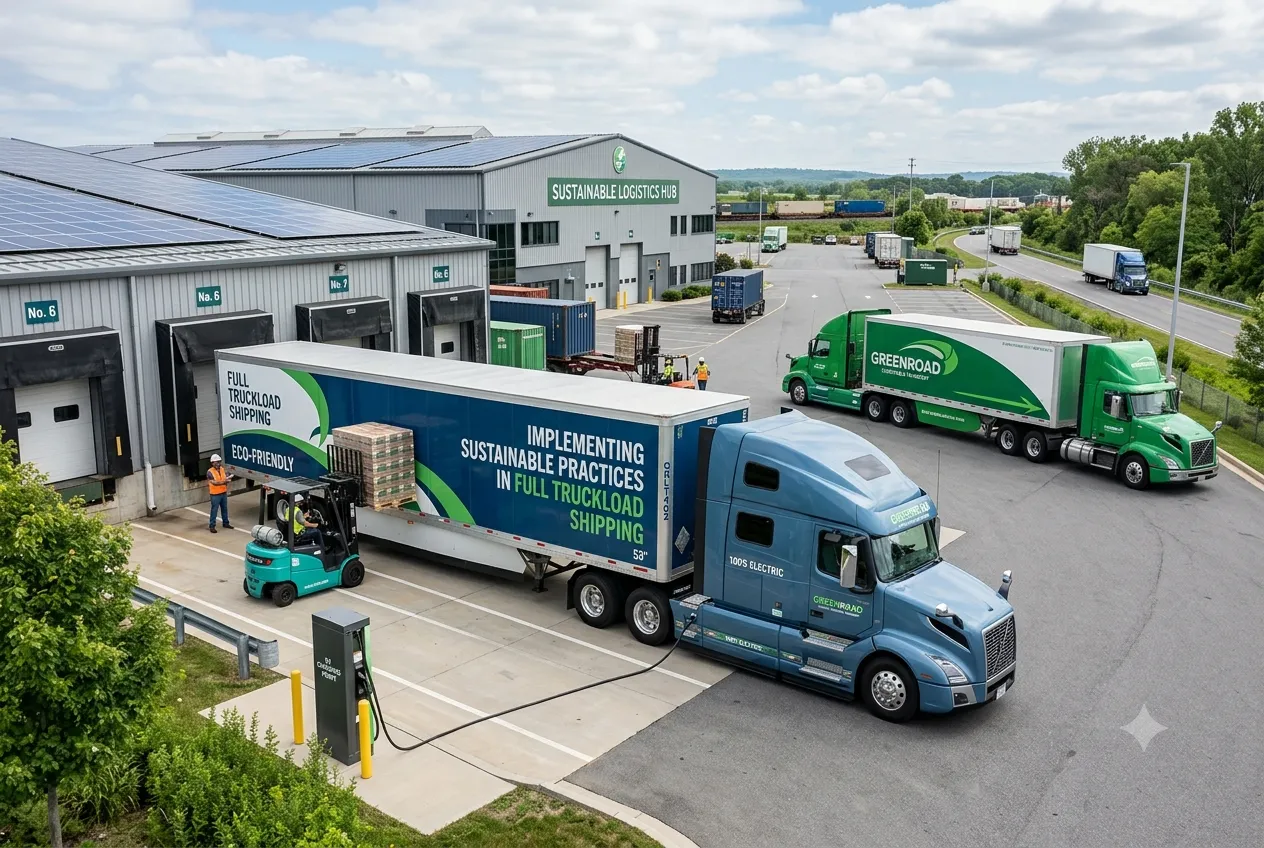

In modern supply chain management, logistics is no longer regarded as a minor, backend operational cost. Forward-thinking companies view logistics as a core strategic lever that directly influences customer retention, brand reputation, and bottom-line profitability. As global market volatility persists, businesses face a critical choice in how they transport their high-value, time-sensitive goods. The decision usually comes down to shared networks or dedicated transport.
While Less-Than-Truckload (LTL) shipping offers budget-friendly appeal for smaller volumes, enterprise organizations increasingly favor premium Full Truckload (FTL) shipping. This operational preference is driven by the clear financial and logistical advantages of securing an entire trailer. By dedicating an entire truck to a single shipment, corporations gain unmatched control, exceptional speed, and a drastically reduced risk of cargo damage.
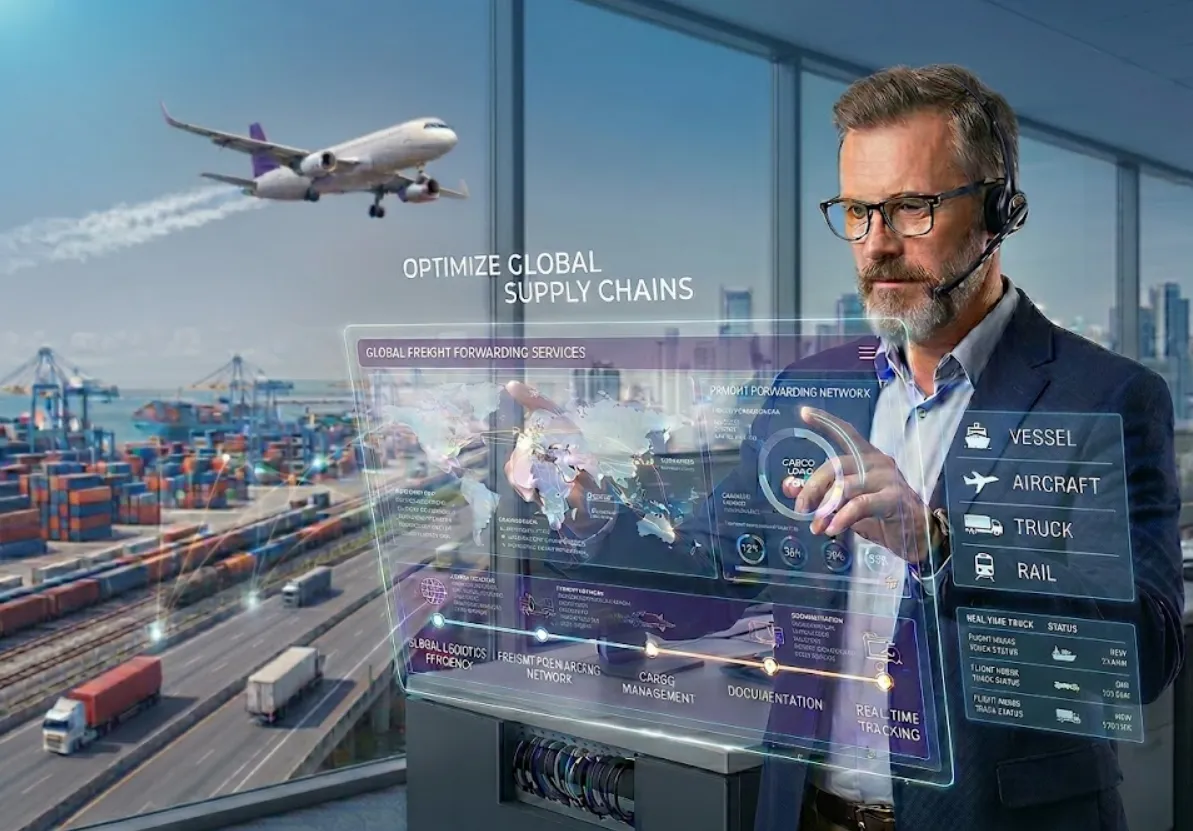
To build a truly resilient supply chain, organizations must evaluate how their domestic trucking strategies align with broader international logistics networks. Comprehensive freight forwarding services serve as the structural framework for cross-border commerce, allowing companies to seamlessly integrate domestic truckload movements with global trade lanes. For multi-tiered distribution models, premium FTL shipping acts as the vital domestic anchor that guarantees consistency, reliability, and security.
The Operational Mechanics of Full Truckload Shipping
To appreciate why market leaders invest in premium FTL services, it is helpful to contrast its mechanical workflow with standard LTL networks. In an LTL environment, goods from dozens of different shippers are mixed together inside a single trailer. The truck moves through a complex hub-and-spoke system, stopping at multiple local terminals where workers continuously unload, sort, and reload pallets.
Premium FTL shipping operates on a completely direct, point-to-point model. When a shipper books an FTL transport service, the carrier allocates the entire trailer capacity to that single client.
[Origin Warehouse] ---> (Loaded & Sealed) ---> [Direct Transit] ---> [Destination Facility]
Once the cargo is loaded at the point of origin, the trailer doors are locked and sealed. The truck travels directly to the final destination without stopping at intermediate distribution hubs. This structural simplicity eliminates the main friction points that typically slow down traditional shipping networks.
5 Strategic Reasons Smart Companies Choose Premium FTL
+------------------------------------+------------------------------------+ | Strategic Benefit | Operational Impact | +------------------------------------+------------------------------------+ | 1. Maximized Transit Speed | Eliminates hub delays, ensuring | | | rapid, predictable deliveries. | +------------------------------------+------------------------------------+ | 2. Drastic Risk Reduction | Single loading minimizes handling, | | | cutting product damage to zero. | +------------------------------------+------------------------------------+ | 3. Complete Capacity Control | Guarantees dedicated equipment | | | even during severe market surges. | +------------------------------------+------------------------------------+ | 4. Strict Temperature Control | Maintains exact climate ranges | | | for sensitive pharmaceutical goods.| +------------------------------------+------------------------------------+ | 5. Enhanced Financial Predictability| Fixed per-mile rates remove unexpected| | | LTL accessorial adjustments. | +------------------------------------+------------------------------------+
1. Maximized Transit Speed and Predictable Scheduling
In just-in-time manufacturing and high-velocity retail, delivery delays can stall production lines or trigger heavy financial penalties from big-box retailers. LTL shipping schedules are inherently unpredictable because they depend on the loading times and delivery windows of multiple other companies sharing the truck.
Premium FTL removes these external variables completely. Because the driver has only one destination, transit timelines are determined strictly by driving hours and highway miles. This absolute predictability allows supply chain managers to schedule warehouse labor precisely, optimize dock space, and fulfill strict customer commitments.
2. Drastic Risk Reduction and Product Integrity
Every single time a pallet is moved via a forklift, the probability of product damage, misplacement, or theft increases. In a shared LTL network, cargo is handled multiple times at various regional cross-dock terminals. High-value electronics, fragile industrial machinery, and premium consumer goods are highly vulnerable during these transitional touches.
FTL shipping drastically lowers this risk profile through a strict single-handling process:
- Initial Loading: The cargo is placed inside the trailer at the origin warehouse.
- Security Sealing: A heavy-duty, numbered security seal is attached to the trailer door latch.
- Direct Transit: The vehicle remains locked throughout the entire journey.
- Final Delivery: The recipient inspects the unbroken seal at the destination before unloading.
This touchless transit system ensures that goods arrive in pristine condition, virtually eliminating the administrative burden of filing freight insurance claims.
3. Complete Capacity Control in Volatile Markets
The freight markets are highly cyclical, frequently experiencing sudden shifts in capacity due to seasonal agricultural harvests, manufacturing surges, and unpredictable macroeconomic disruptions. During severe capacity crunches, shippers relying on LTL networks often face delayed pickups, rolled cargo, and unexpected accessorial fees.
Prioritizing premium truckload partnerships allows smart companies to secure dedicated lane capacity through contract rates. Enterprise shippers build deep relationships with asset-based carriers and specialized logistics providers, ensuring that their freight moves reliably even when regional spot market capacity tightens significantly.
4. Strict Temperature Control and Specialization
Many modern industrial products require specialized transport environments. Pharmaceuticals, medical devices, high-end chemical compounds, and gourmet food products must be kept within precise climate ranges throughout their entire journey.
Premium FTL shipping provides the operational foundation required for reliable temperature-controlled transport. Utilizing dedicated refrigerated trailers, known as reefers, ensures that the cooling system is calibrated exclusively for one specific product type. In contrast, attempting to ship sensitive items through shared LTL networks exposes the cargo to fluctuating temperatures as trailer doors are repeatedly opened at various cargo terminals.
5. Enhanced Financial Predictability
At first glance, LTL shipping appears more cost-effective because businesses only pay for the specific trailer space their pallets occupy. However, LTL pricing models are notoriously complex, packed with variable freight classifications, fuel surcharges, and unexpected accessorial fees for residential deliveries or liftgate requirements.
Premium FTL pricing offers a much cleaner, more transparent financial structure. Shippers pay a comprehensive, fixed per-mile rate or a predetermined flat fee for the lane. This straightforward cost model simplifies corporate budgeting, streamlines freight auditing, and allows financial analysts to calculate accurate landed costs per unit.
Highly volatile supply chains demand absolute transparency. Companies that trade lower upfront freight rates for unpredictable transit timelines usually end up paying double in expedited fees, customer penalties, and lost sales.
Integrating FTL with Global Freight Forwarding Services
While domestic truckload shipping handles the internal movement of goods, modern corporate supply chains are inherently global. Imported components, cross-border raw materials, and international distribution require a holistic logistical strategy. This is where the synergy between domestic truckload transportation and global freight forwarding services becomes crucial for operational success.
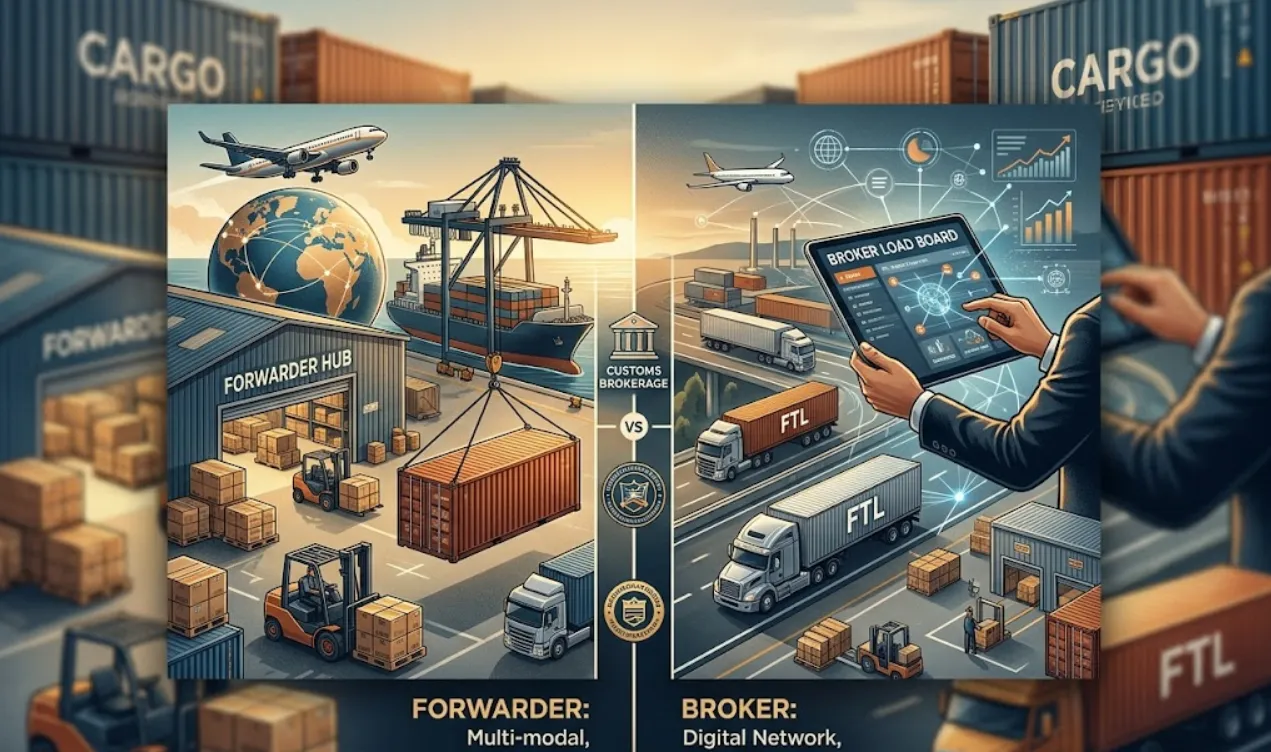
Established forwarders provide the specialized regulatory expertise, customs clearance capabilities, and international carrier networks needed to move cargo across oceans and borders. A seamless handoff between international entry ports and domestic FTL carriers is essential for keeping supply chains moving smoothly.
[International Manufacturer] │ ▼ (Ocean/Air Transit) [Major Port of Entry] │ ▼ (Immediate Container Drayage) [Cross-Dock Facility] │ ▼ (Premium Full Truckload Shipping) [Regional Distribution Center]
When ocean containers or air pallets arrive at major ports of entry, top-tier organizations avoid leaving their cargo in crowded port warehouses. Instead, they arrange for immediate container drayage to nearby cross-dock facilities, where the freight is quickly transferred directly into dedicated FTL trailers. This efficient transition bypasses congested domestic rail networks, accelerating the final leg of distribution to regional fulfillment hubs.
When Air Cargo Freight Forwarding Mandates Premium FTL
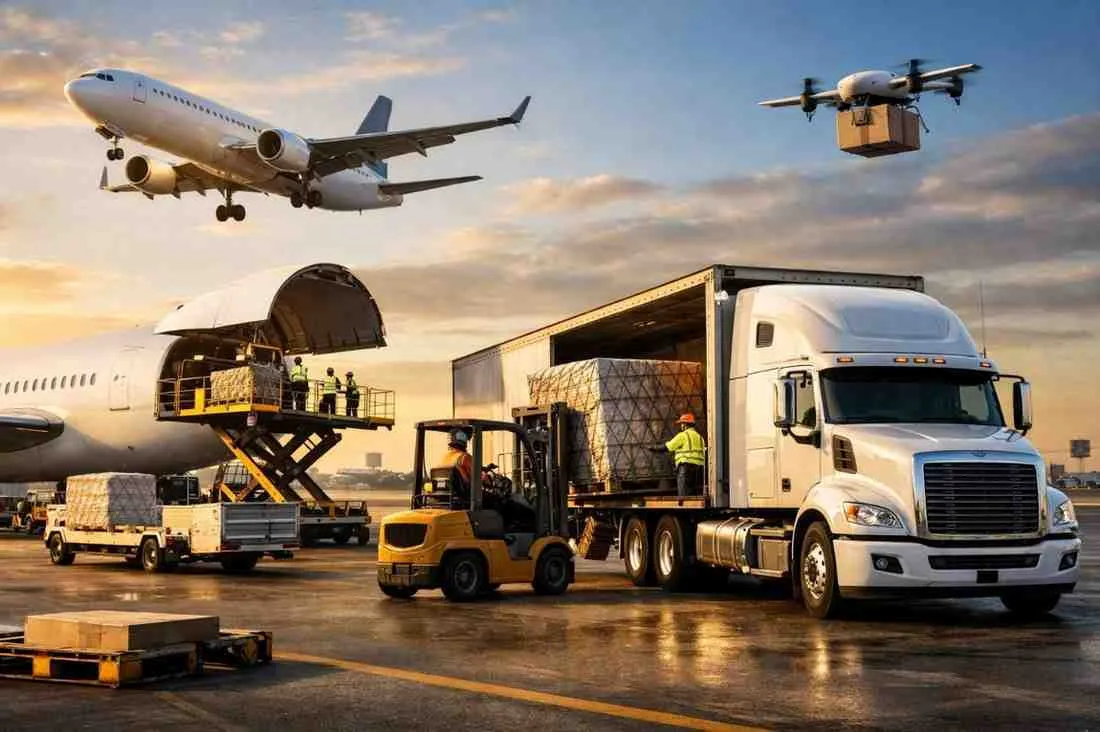
Certain high-value or highly critical supply chain scenarios demand an even faster, more specialized transportation strategy. When regular ocean transport is too slow to meet urgent market demands, corporations rely heavily on premium air cargo freight forwarding to move urgent inventory across continents in a matter of hours.
Because air freight involves significant financial investment, any delays on the ground after the plane lands completely defeat the purpose of using an expedited service.
The Critical Airport-to-Warehouse Connection
1.Flight Arrival and Ground Handling:1 to 4 hours post-landing.
The cargo aircraft lands at a major international hub. Ground handling crews unload the specialized unit load devices (ULDs) from the hold and transfer them to the airport cargo terminal.
2.Customs Clearance and Document Release:Concurrent process.
Customs brokers electronically process the commercial invoices and bills of lading, securing immediate regulatory release to prevent the cargo from incurring expensive airport storage fees.
3.Break-Bulk and Dedicated FTL Staging:1 to 2 hours.
The freight forwarder receives the ULDs at an off-airport facility, breaks open the pallets, inspects the cargo integrity, and immediately stages the high-value goods for ground loading.
4.Premium FTL Expedited Haul:Direct to final destination.
A pre-staged, dual-driver FTL team backs into the loading dock. The trailer is filled, sealed, and departs immediately, utilizing continuous driving shifts to finish the final delivery loop.
By pairing expedited air transport with premium FTL ground delivery, companies build a high-speed logistical pipeline that can rescue supply chains from manufacturing shutdowns or support time-critical product launches.
Financial Analysis: The True Cost of Cheap Logistics
Many procurement departments make the mistake of evaluating freight costs solely on a transactional, per-pallet basis. On paper, choosing an LTL provider or a low-cost, unvetted broker might look like a great way to save money. However, an isolated look at transportation bills ignores the substantial hidden expenses associated with low-tier logistics services.
To truly understand the value of premium FTL shipping, corporate leaders must look at total cost analysis, comparing direct shipping costs against broader supply chain liabilities.
| Expense Category | Low-Cost Shared Shipping (LTL) | Premium Full Truckload (FTL) |
|---|---|---|
| Average Damage Rate | Higher (Due to frequent terminal cross-docking) | Near Zero (Dedicated trailer remains sealed) |
| Transit Reliability | Variable (Dependent on multi-shipper stops) | Highly Consistent (Direct point-to-point) |
| Hidden Admin Costs | High (Managing claims, tracking down lost pallets) | Minimal (Simplified tracking and auditing) |
| Inventory Carrying Cost | Elevated (Requires safety stock for transit buffers) | Optimized (Predictable arrivals lower warehouse safety stock) |
| Retail Fine Vulnerability | Risk of chargebacks due to missed delivery windows | Secure (Precise scheduling avoids delivery penalties) |
When you factor in the financial impact of production delays, chargebacks from major retailers, and the administrative hours spent dealing with cargo claims, premium FTL shipping consistently proves to be the more financially sound choice for valuable or time-sensitive inventory.
The Strategic Choice for Enterprise Growth
As corporate supply chains adapt to changing global economic conditions, the need for absolute operational control has never been higher. According to recent supply chain insights published by Forbes, market leaders are actively shifting away from fragile, transactional logistics models. They are moving toward resilient, long-term partnerships that prioritize supply chain visibility and execution speed.
Investing in premium Full Truckload shipping is more than just a way to buy trailer space. It is a strategic commitment to operational excellence. By eliminating unnecessary cargo handling, cutting transit times, and ensuring reliable capacity, smart companies protect their product quality and keep their customers happy.






























Sign in to leave a comment.