
The modern supply chain has evolved into an incredibly fast-paced, highly volatile, and deeply interconnected ecosystem where even minor disruptions can create massive financial consequences across an entire corporate network. For contemporary business enterprises tasked with moving physical merchandise across vast distances, understanding the exact operational mechanisms that push a commercial shipment from its point of origin to its final destination represents a major, undeniable competitive advantage.
The global shipping market continuously grapples with tightening over-the-road capacity constraints, unpredictable fuel cost variables, and rapidly shifting international trade frameworks that can change overnight. In this high-stakes environment, selecting the wrong logistical intermediary can quickly result in devastating consequences, including costly operational delays at regional hubs, severe regulatory fines from customs enforcement agencies, or completely derailed commercial shipments that permanently damage critical client relationships.
Two specific terms frequently dominate strategic conversations inside corporate supply chain circles: freight forwarders and freight brokers. Many corporate executives, purchasing managers, and startup founders mistakenly use these terms interchangeably, operating under the incorrect assumption that anyone working within the realm of third-party logistics performs the identical operational function.
This fundamental misunderstanding routinely leads to severely mismatched expectations, inadequate legal protections when cargo is damaged, and inefficient corporate spending patterns. While both of these logistical entities act as vital, indispensable links between the specific enterprise shipping the goods, legally known as the shipper, and the physical transportation lines moving those goods, their operational structures, legal obligations, asset utilization strategies, and core scopes of work differ dramatically.
Choosing the right partner requires a deep, uncompromising look into how each entity operates on a daily basis, where their legal liabilities begin and end, and how their specific networks align with your corporate shipping profile.
1. Defining the Core Roles in Modern Logistics
To build an efficient and resilient supply chain, it is necessary to examine the technical definitions, regulatory frameworks, and distinct operational models that govern these two types of providers. Both professionals exist to simplify the incredibly complex world of commercial transportation, which involves the detailed coordination of moving materials through various channels. However, they achieve this goal through entirely distinct business philosophies and corporate structures.
What is a Freight Broker?
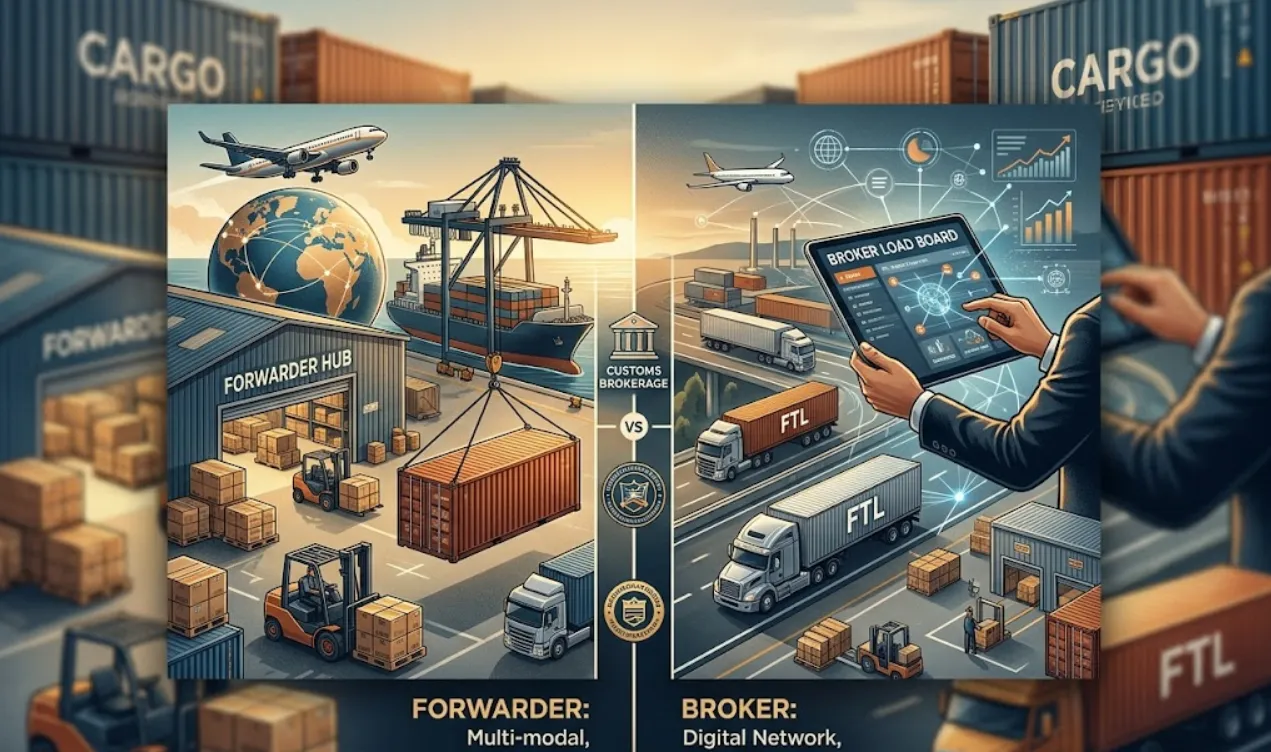
A freight broker acts essentially as a highly sophisticated, professional matchmaker operating within a massive digital marketplace. They function as an independent, non-asset-based intermediary licensed by strict regulatory agencies, such as the Federal Motor Carrier Safety Administration in the United States, to connect authorized, fully vetted transportation carriers with individual shippers seeking to move specific cargo along domestic shipping lanes.
The freight broker does not own the trucks executing the haul, they do not employ the drivers navigating the highways, and they never take physical possession or custody of the cargo at any point during the journey. Instead, an expert broker leverages real-time market data, advanced digital load boards, and deeply established carrier networks to find available trucking capacity that matches a shipper's specific geographic route, equipment needs, and financial budget.
A broker handles the intense, time-consuming administrative labor of vetting carrier safety ratings, verifying active insurance coverage levels, negotiating spot market or contract rates, and tracking the physical shipment via automated digital check calls. Their primary commercial objective is maximizing asset efficiency across the market, ensuring that a truck driver looking for a profitable backhaul load connects directly with a company needing to fill that precise transit lane.
What is a Freight Forwarder?
A freight forwarder operates on an entirely different structural and physical level than a broker. Instead of merely arranging the transportation contract between two independent parties, a forwarder actively takes physical custody of the client's goods, compiles separate shipments from various sources inside managed regional warehouses, and directly coordinates multi-modal journeys. They act legally as an indirect carrier, which allows them to issue their own proprietary paperwork, such as a House Bill of Lading, and assume direct, physical responsibility for the safety and condition of the cargo throughout its entire travel window.
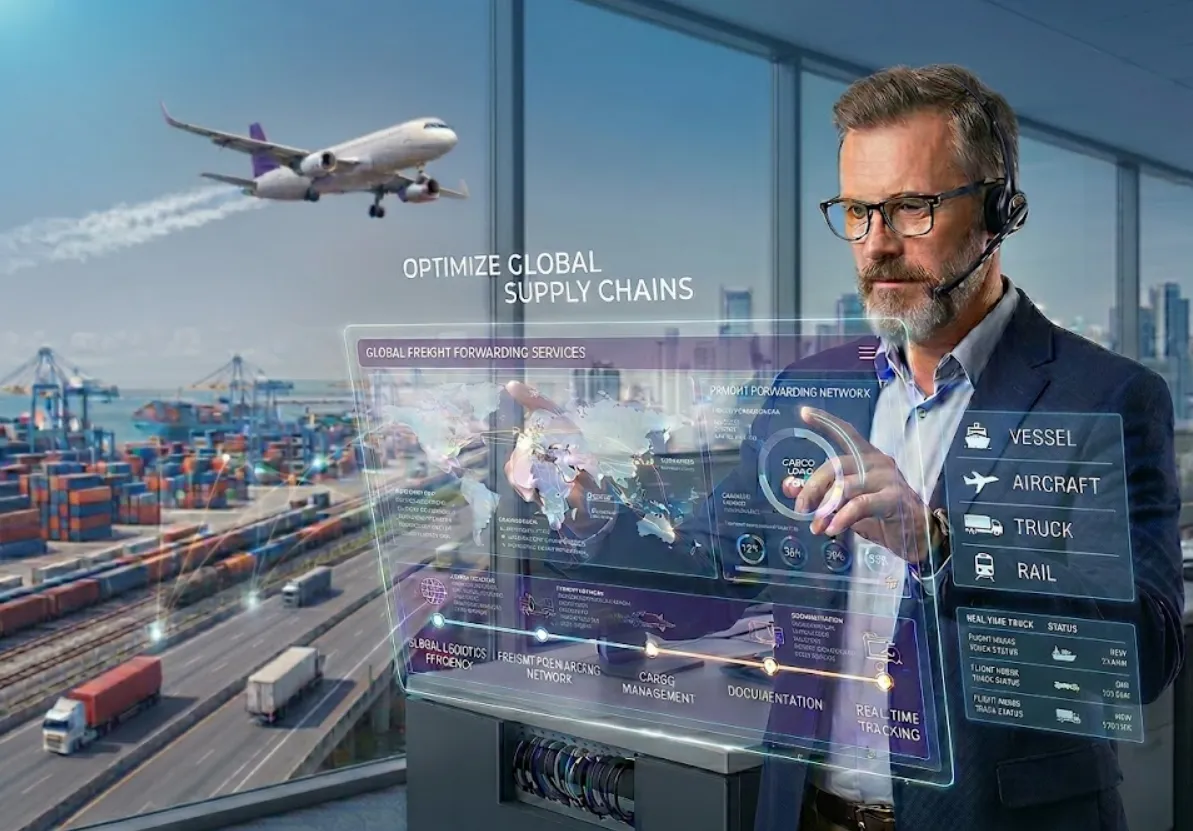
Freight forwarders specialize in creating comprehensive, end-to-end transportation solutions that utilize multiple modes of transit. They take smaller individual shipments from multiple independent businesses and combine them into single, larger transport volumes to maximize space efficiency. This structural approach makes them highly valuable for international trade lanes, where a single shipment must move seamlessly across domestic highways, ocean liners, international rail lines, and foreign final-mile delivery networks.
Forwarders frequently operate as Non-Vessel Operating Common Carriers, meaning they purchase vast blocks of cargo space on ocean vessels or commercial aircraft at highly discounted wholesale rates, subsequently reselling that space to individual corporate shippers who do not have the volume to negotiate directly with global steamship lines.
The Regulatory Blueprint
The legal definition of a freight forwarder according to the United States Code on Wikipedia strictly requires that the entity must assemble and consolidate shipments, assume responsibility for the transportation from the place of receipt to the place of destination, and utilize carriers subject to federal transportation regulations. A broker is legally barred from performing these consolidation steps or claiming custody of the freight.
2. Structural Differences: Physical Asset Custody vs. Digital Networks
The most definitive operational line separating a freight forwarder from a freight broker is the physical handling, storage, and legal custody of the commercial goods being transported.
When you contract with a traditional freight broker to manage a domestic over-the-road shipment, the broker coordinates the timing with an independent carrier from their network. That carrier dispatches a tractor-trailer directly to your production facility or regional distribution center. Your internal warehouse staff loads the truck, the driver signs the paperwork, and the vehicle drives away toward its destination.
At no point does the broker touch your physical merchandise or see the items being shipped. If a major highway accident occurs or the cargo shifts during transport due to driver negligence, the primary legal liability rests squarely with the specific trucking company operating the physical equipment, not the broker who arranged the contract.
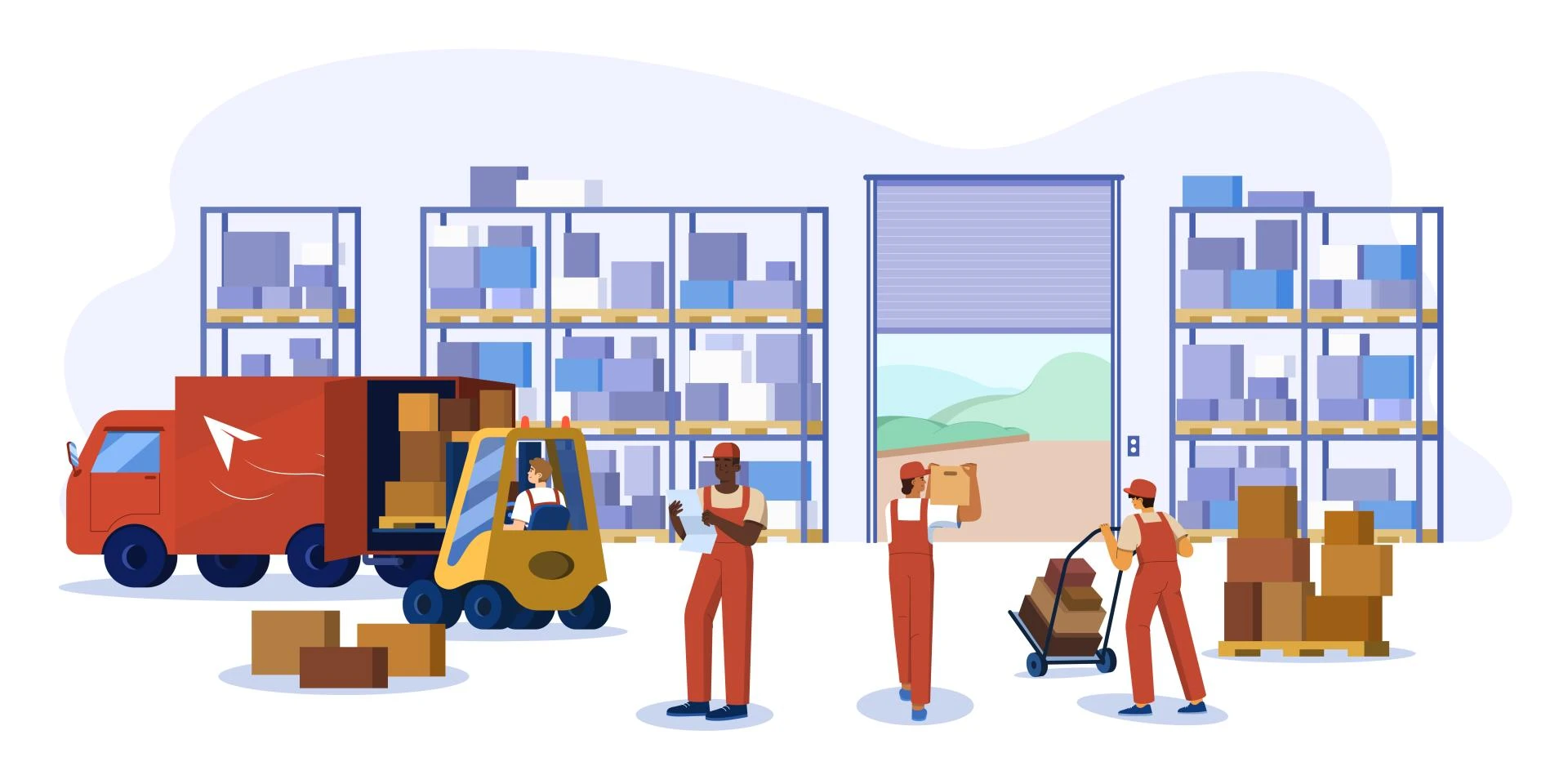
In sharp contrast, a freight forwarder takes direct physical ownership of the logistics chain from the very beginning. The forwarder will frequently dispatch their own local box trucks to collect your items, or ask you to ship the merchandise directly to one of their regional consolidation hubs. Inside this physical facility, your pallets are unloaded, inspected thoroughly for physical damage, re-measured, weighed, and stored securely.
The forwarder then blends your cargo with merchandise belonging to other companies bound for the identical geographic destination, creating a single, highly efficient container load. Because they take physical possession, forwarders hold a far higher level of legal liability. If items are lost or broken while inside their facility or under their master transport documents, the forwarder is directly responsible for resolving the financial claim with the shipper.
This physical footprint requires forwarders to maintain substantial physical infrastructure and invest heavily in capital-intensive assets. They must manage massive industrial warehouses, complex cross-docking machinery, specialized export packaging equipment, and advanced inventory tracking systems.
Brokers, meanwhile, can scale their businesses with far less capital overhead. They rely heavily on sophisticated cloud software, automated predictive pricing algorithms, and highly trained freight sales agents who can manage hundreds of active truckloads simultaneously from a single digital dashboard located anywhere in the world.
3. Comparing Services: From FTL Trucking to Domestic Over-The-Road Solutions
Your choice between a broker and a forwarder depends heavily on whether your product line moves primarily through domestic highways or complex international trade corridors. Different shipping formats require entirely different operational partnerships to remain profitable.
Domestic Over-The-Road Transportation
For companies moving freight strictly within a single continent, a freight broker is often the most agile, flexible, and cost-effective partner available. Domestic logistics relies heavily on matching two primary shipping configurations to optimize truck space:
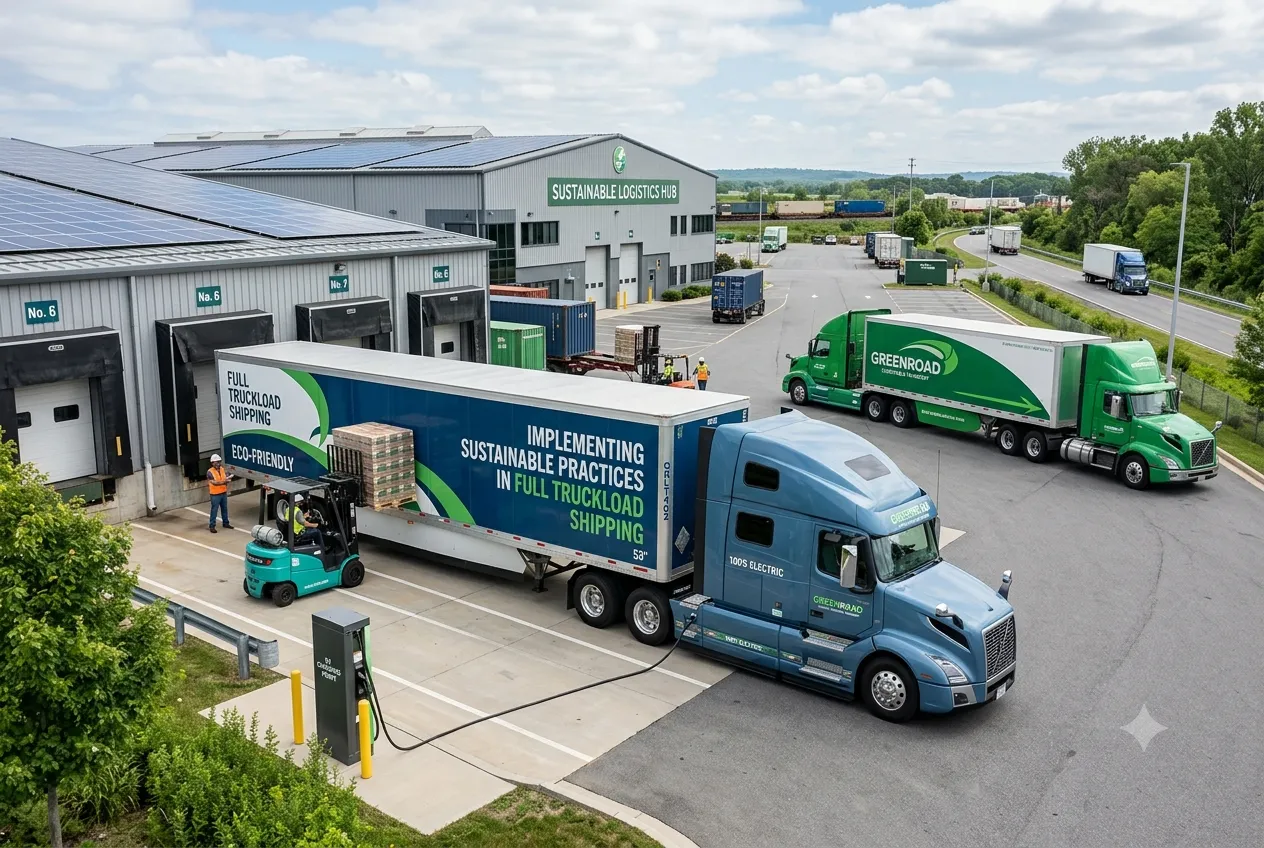
- FTL shipping services: Full Truckload shipping utilizes the entire weight or volumetric capacity of a standard 53-foot dry van, flatbed, or refrigerated trailer. This format is ideal for large, uniform shipments moving directly from a manufacturing plant to a major retail distribution hub without intermediate stops.
- Less than truckload: LTL shipping accommodates smaller freight volumes that do not require an entire trailer, combining multiple pallets from different companies onto a single truck that stops at various regional sorting hubs along the way.
Freight brokers excel at sourcing these domestic over-the-road options quickly. If a factory experiences an unexpected production surge and needs ten extra flatbed trailers on short notice during a peak season, an expert broker can tap into thousands of regional small fleets to secure those assets within hours.
According to data tracking the transportation industry, small carriers operating with fewer than twenty trucks make up over 90% of the entire domestic trucking market. Because these tiny fleets lack internal corporate marketing teams or dedicated sales forces, they rely heavily on brokers to find them consistent work and fill their empty lanes. Shippers who partner with an experienced broker gain immediate, friction-free access to this massive, highly fragmented network of independent trucks.
| Operational Feature | Freight Broker | Freight Forwarder |
|---|---|---|
| Physical Custody | Never takes physical possession of cargo | Directly takes physical custody and stores goods |
| Primary Geographic Focus | Domestically oriented over-the-road networks | Globally oriented multi-modal trade lanes |
| Cargo Consolidation | Connects single shippers to single carriers | Combines multiple smaller loads into master containers |
| Primary Documentation | Carrier-issued Bill of Lading | Proprietary House Bill of Lading |
| Regulatory Requirements | FMCSA Broker Authority and surety bonds | OTI Licenses, FMC registration, and warehouse bonds |
| Asset Utilization | Completely asset-light digital network | Often owns or leases facilities and hubs |
International Air and Ocean Logistics
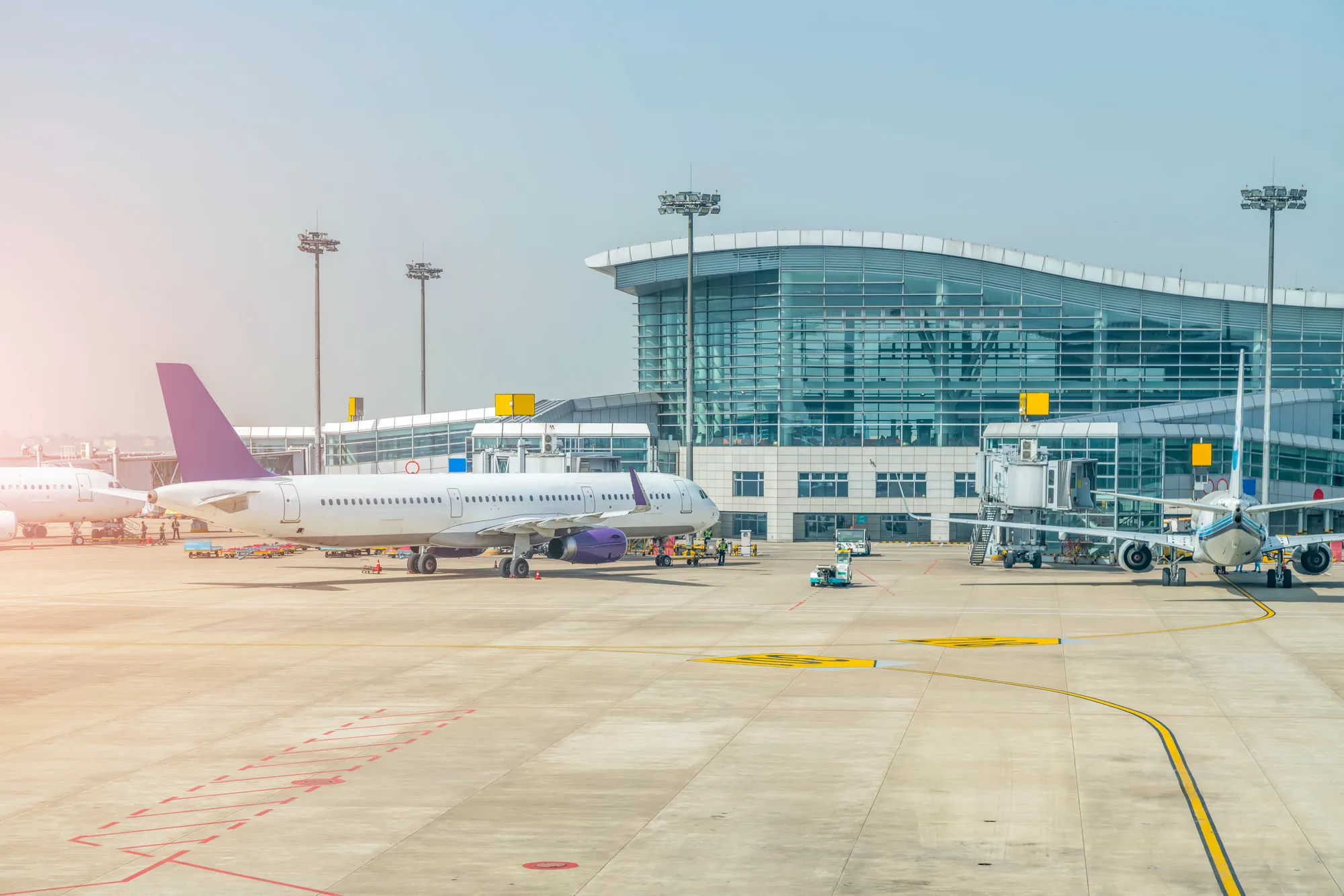
When a supply chain expands across oceans, the logistical challenges multiply exponentially. Shippers must navigate complex steamship line schedules, international port regulations, and international air freight shipping requirements. For these global operations, a freight forwarder is almost always the necessary choice.
International transport requires deep, end-to-end management of physical assets across international borders. A forwarder can arrange for an ocean container to be dropped at a factory in Southeast Asia, track its movement onto a massive container ship, manage the transshipment process at an intermediate international port, and coordinate its final arrival at a domestic container terminal.
For time-critical or high-value items, forwarders leverage established relationships with global commercial airlines to secure priority space for international air freight shipping. They understand the strict temperature, hazardous material, and dimensional restrictions that govern commercial air transport, protecting shippers from expensive rejections at airport cargo terminals.
4. Understanding Customs Brokerage and Regulatory Compliance
Crossing an international border introduces a complex web of legal mandates, tariff schedules, and security protocols. This introduces a third specialized term that businesses must understand: customs brokerage. This role is distinct from a standard domestic freight broker.
A customs broker is a highly specialized professional licensed by national border enforcement agencies, such as U.S. Customs and Border Protection. Their sole legal function is preparing, submitting, and executing the mandatory documentation required to clear imported merchandise through official government checkpoints. They calculate the precise monetary duties owed based on complex Harmonized Tariff Schedule classifications, secure required customs import bonds, and ensure total compliance with environmental, agricultural, and safety laws.
The relationship between freight forwarding and customs clearance is deeply integrated. Because international shipping cannot succeed without flawless border clearance, many large freight forwarders operate in-house customs departments or maintain exclusive partnerships with licensed customs brokers. When you hire a comprehensive international forwarder, they typically bundle these compliance duties directly into your overall door-to-door shipping rate.
However, if you utilize a domestic freight broker to pick up an import container at a local seaport, that broker cannot clear the container through the border unless they hold a separate, valid customs brokerage license. Shippers must ensure their logistics partners possess the explicit legal authority required for every segment of the journey.
The Corporate Risk Landscape
Executive research published by Forbes Insights emphasizes that global supply chains are facing unprecedented regulatory pressure. Modern compliance frameworks require corporate importers to maintain complete end-to-end data transparency across every international border crossing. Failing to exercise proper due diligence when classifying imported cargo can result in severe financial penalties, seizure of corporate assets, or the total shutdown of your supply chain.
5. Strategic Guidance: How to Align Your Business with the Correct Partner
Selecting between a freight forwarder and a broker is not a matter of finding the objectively superior service provider. Instead, it is about aligning their specific strengths with your unique business model, product characteristics, and internal operational capabilities.
Is your shipment international?
When to Partner with a Freight Broker
A freight broker is typically the ideal choice for your business if your operations match the following criteria:
- Your shipping footprint is primarily domestic: Your products move across regional highways or domestic rail networks without crossing ocean borders.
- You frequently require FTL shipping services: You build full, uniform trailer loads that move directly from your loading dock to a stable customer destination.
- Your internal team can manage basic warehouse tasks: Your staff can easily pack pallets, load trailers, and handle basic inventory storage without external support.
- You need maximum pricing agility: You want to capitalize on shifting market capacity, using spot-market rate fluctuations to lower your overall over-the-road transportation costs.
When to Partner with a Freight Forwarder
A freight forwarder is the necessary operational partner if your business fits these scenarios:
- You operate a global import or export model: Your supply chain relies heavily on moving cargo across complex international ocean lanes or utilizing international air freight shipping.
- You rely heavily on less than truckload or partial container loads: You regularly ship smaller quantities of merchandise and need an expert partner to consolidate your items into shared containers to avoid paying for empty transport space.
- You require downstream warehousing and distribution: You do not own massive logistics facilities and need your transportation partner to provide secure long-term storage, order sorting, and cross-docking services.
- You want a single point of financial liability: You prefer to work with one comprehensive provider who assumes full physical responsibility for your cargo from the exact moment it leaves the production floor until it arrives at the consumer's door.
Conclusion: Mastering Your Supply Chain Strategy
In the highly competitive corporate landscape, supply chain efficiency directly dictates corporate profitability. According to logistical reports monitored through Google News, industrial shippers are shifting toward highly disciplined procurement strategies to insulate themselves from unpredictable capacity shocks and volatile spot-market pricing. Navigating this complex environment successfully requires total clarity on the roles of your external partners.
A domestic freight broker offers incredible speed, a vast network of independent truck drivers, and excellent pricing flexibility for over-the-road truckload shipping. A freight forwarder provides the massive infrastructure, physical cargo handling, and international compliance expertise required to execute seamless multi-modal transportation across global borders.





















Sign in to leave a comment.