


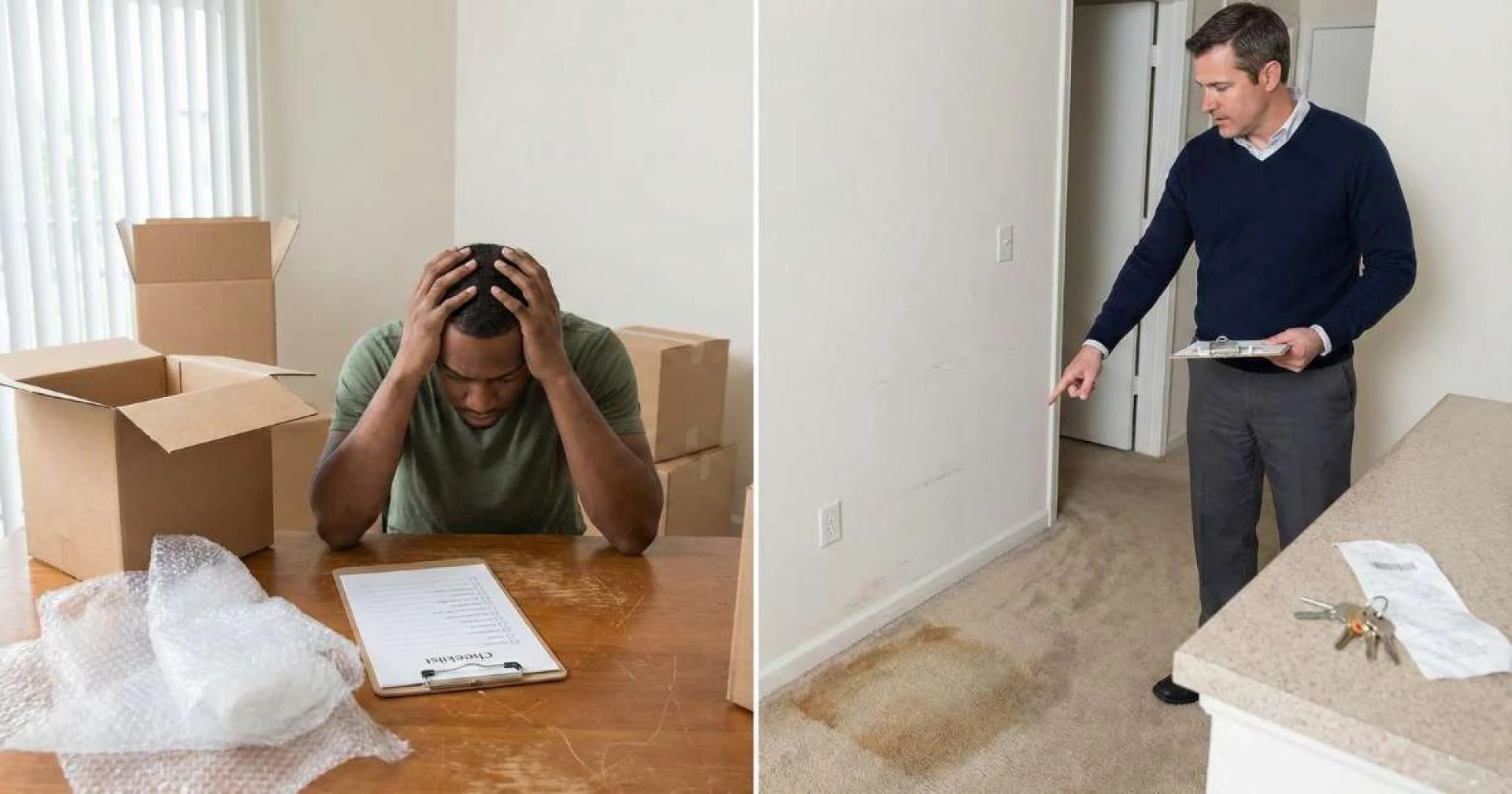
Moving day does not become stressful because of bad luck. It becomes stressful when small problems build up and nobody addresses them early.
Professional movers handle relocations every week across Melbourne. They see the same mistakes again and again. Most of these mistakes are easy to avoid with better preparation and clearer communication.
Many people spend weeks packing boxes but spend very little time planning how the move will actually work. They focus on what they own instead of how those belongings will leave one property and arrive at another.
This guide shares practical lessons that experienced movers learn from real relocations. You will learn what causes delays, what customers often forget, and what steps help create a smoother moving experience from start to finish.
Movers Need Accurate Information Long Before the Truck Arrives
Professional movers need accurate information before moving day because every quote depends on it. The size of the truck, the number of movers, the equipment required, and the estimated timeframe all rely on the details customers provide.
Many customers only focus on furniture and boxes. Movers also need to understand how they can access the property. A narrow staircase, steep driveway, apartment lift, or restricted parking area can change the entire moving plan.
When important details remain undisclosed, movers often need to adjust their approach on the day. This can increase the time required to complete the relocation and create avoidable frustration for everyone involved.
The easiest way to receive an accurate quote is to provide a complete picture of the property from the beginning.
Property Information That Affects Every Move
Movers usually need details about:
- Property type
- Number of levels
- Internal stairs
- Lift access
- Parking availability
- Driveway conditions
- Walking distance from truck to entrance
- Large furniture items
Each detail helps movers prepare the right resources for the job.
Access Problems Customers Often Forget to Mention
Some of the most common issues include:
- Tight stairwells
- Narrow hallways
- Long apartment corridors
- Shared driveways
- Basement car parks
- Loading zone restrictions
- Limited street parking
These obstacles often create more delays than customers expect.
A Real Example
A family moving from a townhouse accurately listed all furniture and boxes during the quoting process. However, they did not mention that visitors could only access the property through a narrow side pathway.
When the moving crew arrived, large furniture pieces required extra handling and additional time to navigate the restricted access route. The move still happened successfully, but it took much longer than originally planned.
Key takeaway: Accurate information helps movers create accurate plans. Small property details often have a bigger impact than the number of belongings being moved.
Packing Is Not the Same as Preparing for Moving Day
Packing boxes is only one part of a successful move. Many people finish packing and assume they are fully prepared. Professional movers know there is a big difference between being packed and being move-ready.
A home can contain neatly packed boxes while still creating delays on moving day. Blocked walkways, disconnected utilities, missing keys, and poor access arrangements can slow down the entire relocation.
Good preparation removes obstacles before movers arrive. It allows the crew to focus on moving belongings instead of solving preventable problems.
Strong moving day planning in Melbourne starts several days before the relocation, not on the morning the truck arrives.
What Does Move-Ready Actually Mean?
A move-ready property usually includes:
- Clear internal pathways
- Labelled boxes
- Accessible entrances
- Organised documents
- Reserved parking where required
- Disconnected appliances
- Essential items packed separately
These tasks help the move start on time and continue efficiently.
A Simple 72-Hour Preparation Timeline
72 Hours Before
- Finish most packing
- Confirm booking details
- Arrange access and parking
48 Hours Before
- Disconnect unnecessary appliances
- Organise important documents
- Check access routes
24 Hours Before
- Pack an essentials bag
- Charge devices
- Complete a final property check
Moving Morning
- Secure pets
- Keep pathways clear
- Store valuables safely
A Common Last-Minute Problem
Movers often arrive at homes where customers still need to pack kitchens, wardrobes, or storage areas. This situation creates immediate delays because the relocation cannot begin until those items are ready.
Key takeaway: Packing prepares your belongings. Preparation prepares your entire household. The difference often determines whether moving day feels organised or overwhelming.
Access Problems Cause More Delays Than Furniture
Many customers expect large furniture to be the biggest challenge on moving day. In reality, access problems often cause more delays than the furniture itself.
Professional movers move bulky lounges, dining tables, refrigerators, and wardrobes every day. They know how to handle large items safely. What slows a move down is limited access between the truck and the property.
Every extra staircase, long hallway, narrow doorway, or parking restriction adds time to the relocation. When movers repeat the same difficult route hundreds of times during a move, small obstacles quickly become major delays.
Melbourne properties present unique access challenges. Older terraces, modern apartment buildings, townhouses, and inner-city homes often require different moving strategies.
Access Issues That Commonly Slow Down Moves
Movers regularly encounter:
- Narrow staircases
- Tight hallways
- Long carry distances
- Steep driveways
- Shared pathways
- Apartment lift restrictions
- Basement parking limitations
- Loading zone requirements
Each obstacle increases the physical effort and time needed to complete the move.
Why Parking Matters More Than Most People Think
Parking directly affects moving efficiency.
When a truck parks close to a property, movers complete fewer trips and spend less time carrying items. When parking sits further away, every item requires a longer journey.
Apartment buildings can create additional complications:
- Lift booking systems
- Restricted loading hours
- Building management approval
- Shared lift access
- Designated loading bays
Customers who confirm these requirements early usually avoid unnecessary delays.
A Real Example
A customer moved from a two-bedroom apartment in Melbourne's inner suburbs. The apartment contained fewer belongings than a typical family home. However, strict lift booking rules allowed movers to use the lift only during a specific time window.
The relocation took longer than expected because access restrictions limited how quickly the crew could move items between the apartment and truck.
Key takeaway: Movers can usually handle large furniture. Access restrictions often create the biggest challenge on moving day.
Why Communication Changes the Entire Move
Good communication helps prevent many of the problems that customers experience during relocations.
Movers rely on accurate information to plan schedules, allocate staff, organise equipment, and prepare for access conditions. When details change and nobody communicates them, unexpected problems often appear on moving day.
Customers sometimes assume a small change will not affect the move. In practice, a new delivery address, additional furniture item, altered settlement time, or building restriction can change the entire schedule.
The more information movers receive before moving day, the easier it becomes to plan an efficient relocation.
Information Movers Need Confirmed
Customers should confirm:
- Moving date
- Arrival time
- Property access details
- Parking arrangements
- Lift bookings
- Contact numbers
- Furniture additions
- Building requirements
Regular communication helps everyone stay aligned.
Common Communication Mistakes
Movers frequently encounter situations where customers:
- Forget to mention new furniture
- Change schedules at short notice
- Miss booking building lifts
- Overlook parking restrictions
- Become difficult to contact
Most of these problems are avoidable with a quick update before moving day.
A Real Example
A customer confirmed a moving date several weeks in advance. Two days before the move, the building manager introduced temporary access restrictions due to maintenance work. The customer forgot to pass this information to the moving company.
When the crew arrived, they needed to adjust their plan immediately to work around the restrictions.
Key takeaway: Clear communication helps movers solve problems before they affect moving day.
Safety Matters More Than Speed
Many customers believe a faster move is always a better move. Professional movers see things differently.
A safe move protects people, furniture, walls, floors, and property. Rushing often increases the risk of damage, injury, and costly mistakes.
Experienced moving crews follow procedures that may seem slower at first. These procedures help prevent problems that could delay the relocation far more than careful preparation ever would.
This safety-first approach is common across established moving companies, including teams such as Harry The Mover Melbourne house removalists, because preventing damage is always easier than repairing it.
Safety Procedures Customers Often Do Not Notice
Professional movers regularly use:
- Furniture protection materials
- Floor coverings
- Team lifting techniques
- Load-balancing methods
- Equipment inspections
- Securing straps inside trucks
These steps help protect both belongings and property.
Customer Mistakes That Create Safety Risks
Some common examples include:
- Overloaded boxes
- Blocked walkways
- Unsecured pets
- Loose items on floors
- Poor lighting in access areas
Small hazards can create significant problems during a busy move.
A Real Example
During a residential relocation, a customer packed several cartons entirely with books. Each box became too heavy to lift safely. The movers redistributed the contents into smaller boxes before loading could begin.
This process added time to the move but reduced the risk of injury and damage.
Key takeaway: Professional movers focus on safety because safe relocations usually become faster, smoother, and more successful overall.
What First-Time Movers Usually Underestimate
First-time movers often think packing will be the hardest part of the relocation. In many cases, the final 24 hours create the most stress.
The closer moving day gets, the more small tasks compete for attention. Utility transfers, key collection, final cleaning, address updates, and essential items often remain unfinished until the last minute.
These tasks may seem minor on their own. Together, they can create confusion and unnecessary pressure when the move should already be underway.
Experienced movers encourage customers to follow a structured plan rather than relying on memory. A detailed moving house checklist for first-time movers helps reduce mistakes and keeps important tasks visible.
Tasks People Commonly Leave Too Late
Many first-time movers forget to:
- Redirect mail
- Transfer internet services
- Confirm utility connections
- Empty refrigerators and freezers
- Return keys
- Prepare payment details
- Pack daily essentials
Leaving these jobs until moving day often creates avoidable stress.
What Should Stay With You Instead of Going on the Truck
Some items should remain easily accessible throughout the relocation.
These include:
- Identification documents
- Medication
- Mobile phone chargers
- Wallets and keys
- Important contracts
- Water and snacks
- Basic cleaning supplies
Having these items close by makes the first day in a new home much easier.
A Real Example
A customer packed every household item the night before moving day, including house keys, phone chargers, and settlement documents. The next morning began with a search through multiple boxes before the relocation could continue.
The delay was avoidable and added unnecessary stress to an already busy day.
Key takeaway: The final 24 hours often determine whether a move feels organised or chaotic. Finishing important tasks early creates a smoother relocation experience.
What Professional Melbourne Movers Wish Every Customer Would Do
Professional movers work in different homes every week. After handling hundreds of relocations, they notice a simple pattern.
The easiest moves are not always the smallest homes. They are usually the homes that prepare properly.
Good preparation helps movers work efficiently, reduces delays, improves safety, and creates a better experience for everyone involved.
Customers do not need complicated systems or detailed project plans. They simply need to address the most important tasks before moving day arrives.
Habits That Consistently Lead to Better Moves
Professional movers appreciate customers who:
- Share accurate information
- Confirm access requirements early
- Finish packing before moving day
- Keep communication open
- Label boxes clearly
- Secure pets and children
- Notify movers about changes
These habits help prevent many common relocation problems.
A Simple Final Checklist
Before movers arrive, confirm that:
- Pathways are clear
- Parking is available
- Important documents are accessible
- Utilities are organised
- Keys are ready
- Contact numbers are available
- Essential items remain separate
A few minutes of preparation can save hours later.
Final Lesson From Experienced Movers
Most moving-day problems do not appear suddenly. They usually develop from small issues that nobody addresses early enough.
Key takeaway: Better preparation creates better outcomes. Customers who plan ahead usually enjoy smoother and less stressful relocations.
Conclusion
Moving day becomes easier when preparation starts well before the truck arrives.
Accurate property information helps movers create realistic plans. Good communication prevents misunderstandings. Proper preparation removes obstacles. Strong safety practices protect people and belongings throughout the relocation.
These lessons come directly from the challenges professional movers encounter every week across Melbourne.
The Most Important Things to Remember
- Provide accurate property details
- Confirm access requirements
- Finish packing early
- Communicate changes promptly
- Prioritise safety
- Keep essential items nearby
Planning Ahead Makes a Difference
If you are preparing for an upcoming move, focus on preparation rather than last-minute problem-solving. Small actions completed early often have the greatest impact on moving day.
Final takeaway: Successful relocations rarely happen by accident. They happen when customers and movers work together, plan ahead, and address potential problems before they become real obstacles.




























Sign in to leave a comment.