
Orignally Sourced From: https://austinwerribeemovers.bcz.com/2026/02/10/end-of-lease-moves-the-small-moving-decisions-that-end-up-costing-your-bond/
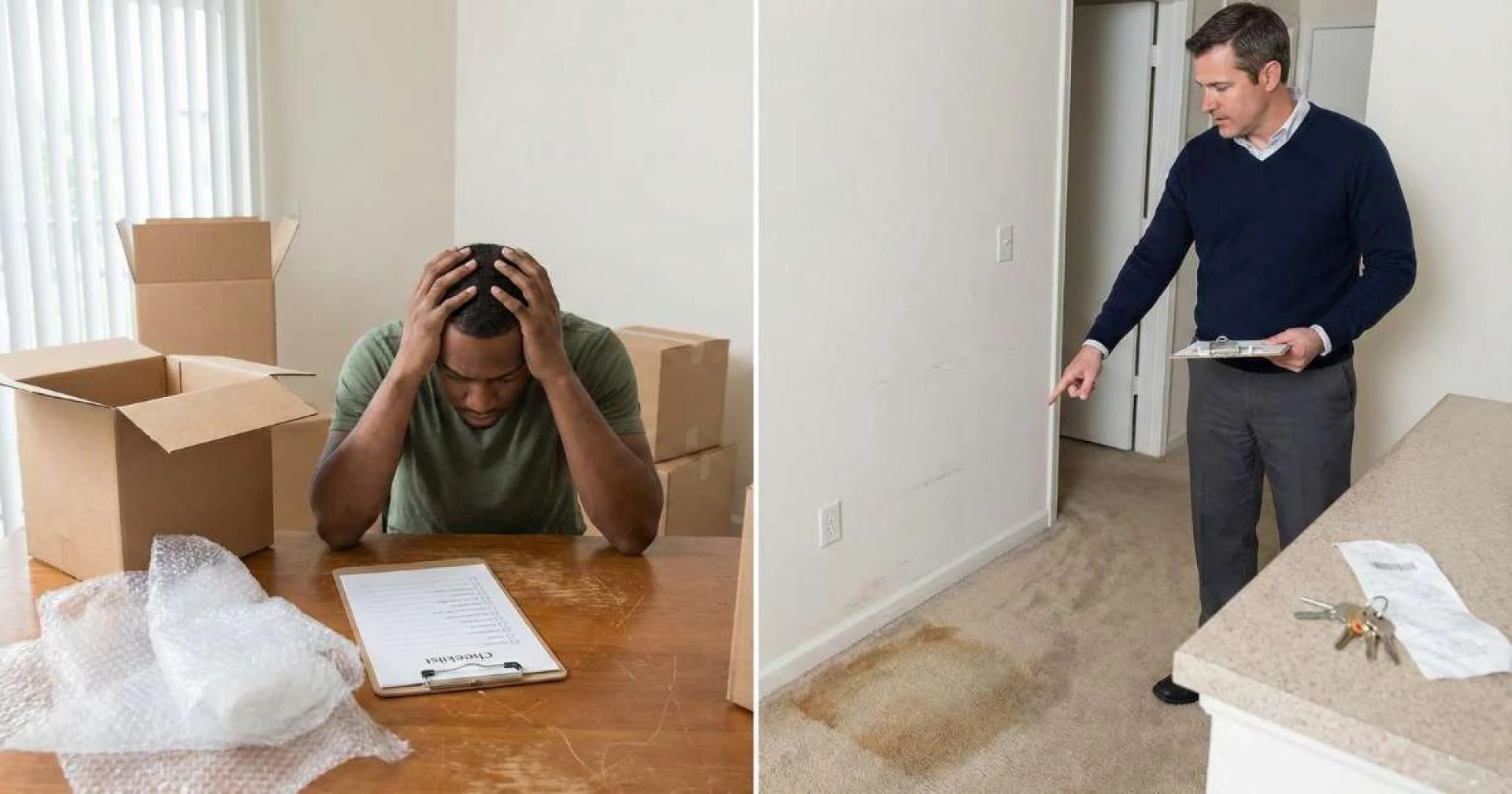
Most tenants lose part of their bond at the very end.
Not because they damage the place on purpose.
Not because they stop caring.
They lose it because moving day gets messy.
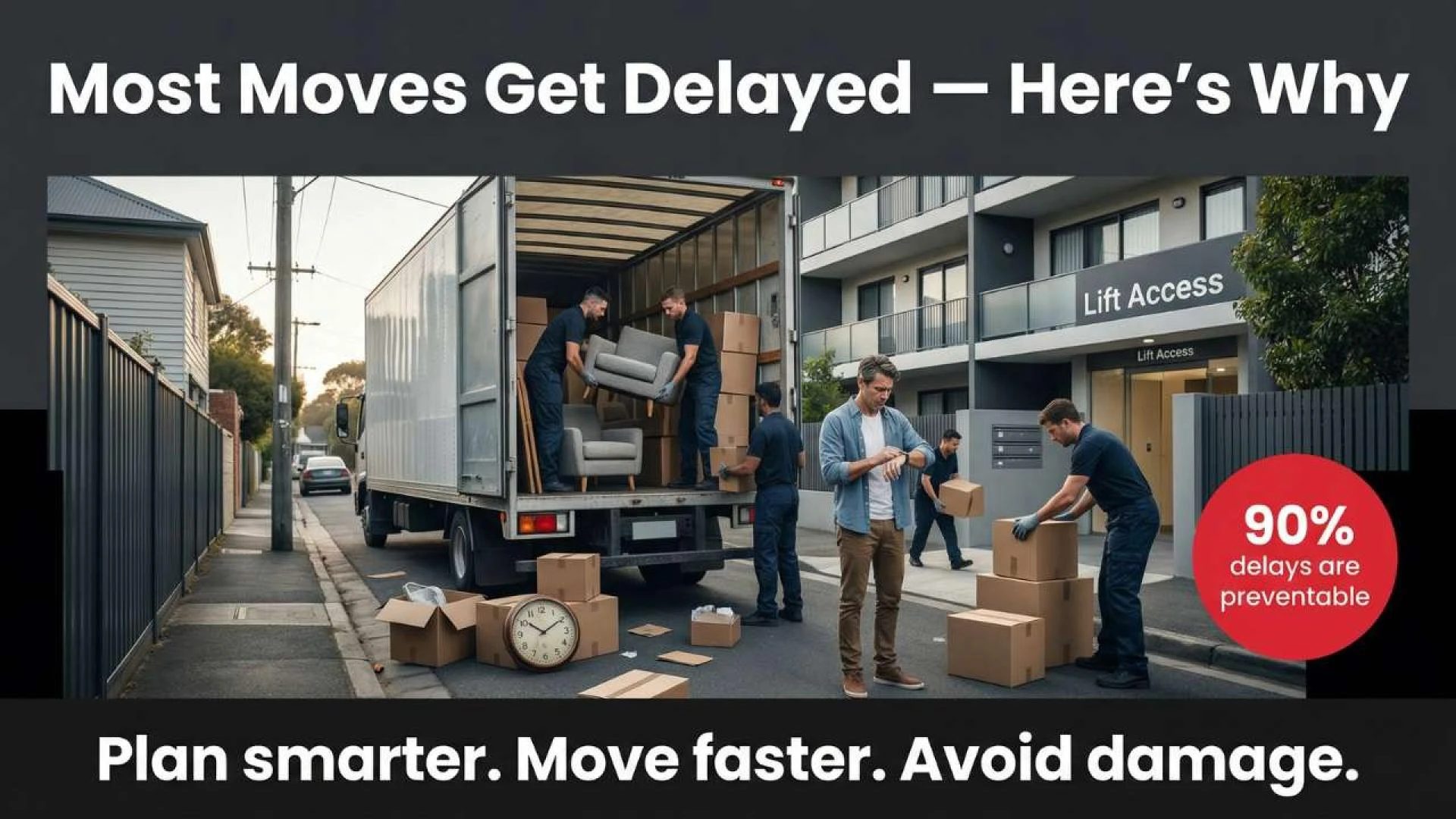
This is the point where people feel tired, rushed, and overwhelmed. Boxes stack up. The truck waits outside. Someone says, “It’s fine, we’ll deal with it later.” That moment causes most bond problems.
End-of-lease moves create pressure. Under pressure, small decisions slip. Walls get marked. Floors get scratched. Damage goes undocumented. Inspections don’t forgive any of that.
This guide explains how end-of-lease moves quietly lead to bond deductions. You’ll see where tenants usually go wrong, why inspections feel unfair, and what simple actions reduce risk before keys go back.
Why End-of-Lease Moves Lead to Bond Deductions
Moving out feels like the finish line. For property managers, it’s the most important checkpoint.
How inspections really work
Final inspections compare the property to the original condition report. Agents don’t ask how damage happened. They check whether it exists. If something looks new and there’s no record, it becomes a tenant issue.
I see this pattern again and again. Damage appears after furniture comes out. No photos exist. No message went through. The report gets written anyway.
Why moving decisions matter
Certain choices raise concern straight away.
These include:
- Rushed move-outs close to key handover
- No protection on walls or floors
- Marks in lifts or hallways with no explanation
- Movers focused on speed, like a general moving company in Adelaide, rather than rental exits
Key point: bond deductions usually come from several small issues, not one big mistake.
Common Moving Mistakes That Reduce Bond Refunds
Most problems start when attention shifts from the property to the clock.
Rushing without protection
When time runs short, protection gets skipped. That’s when damage happens.
I often see:
- Furniture scraping walls
- Boxes hitting door frames
- Trolleys leaving marks on floors
It feels minor in the moment. It doesn’t feel minor during inspection.
Leaving damage undocumented
Damage without records creates automatic blame.
This happens when:
- Tenants don’t take photos
- Marks appear in shared areas
- Verbal explanations replace written notes
Forgetting shared spaces
Stairwells, lifts, and foyers count. Damage there still links back to the tenant if no report exists.
Takeaway: slow the move slightly and record what happens. That step alone saves most bonds.
Choosing Movers Without End-of-Lease Experience
Not all moves face the same level of scrutiny. End-of-lease moves face the most.
General moves vs rental exits
Standard moves focus on loading fast. End-of-lease moves need care, protection, and documentation.
Problems appear when:
- Floors stay uncovered
- Walls lack padding
- Shared areas get used without checks
Why experience shows up later
Inspections don’t care how careful movers felt. They care about results. If damage appears with no record, responsibility comes back to the tenant. This risk increases when people use movers in Adelaide who handle general relocations but not rental exits.
Takeaway: the issue is not the move. The issue is missing process when something goes wrong.
DIY Moves and Informal Help That Backfire
DIY moves feel safer because you stay in control. That control disappears the moment something breaks.
Insurance gaps people miss
Hire vans and personal vehicles rarely cover property damage. If a fridge hits a wall, the cost often comes from the bond.
Friends help, but records don’t exist
Friends mean well. They don’t document damage. They don’t file reports. When questions come later, no one knows what to say.
Common DIY risks include:
- Dragging heavy items
- No floor or wall protection
- Damage in stairwells
Some tenants only notice the difference after comparing their move to a structured one handled by operators like Harry The Mover in Adelaide, where reporting and protection exist as part of the process.
Takeaway: DIY moves fail because they lack structure, not care.
Timing Mistakes That Trigger Inspection Issues
Time pressure changes behaviour. Inspections catch the result.
Overlapping moving, cleaning, and handover
Trying to do everything in one day causes shortcuts. Cleaning gets rushed. Touch-ups get skipped. Dust settles after cleaning ends.
That leads to:
- Marks appearing after cleaners leave
- Wet or unfinished areas
- No time to recheck the property
Weekend moves create gaps
Many moves happen on weekends. Inspections happen later. Damage found days after often gets linked to the tenant.
Takeaway: spacing tasks reduces stress and inspection risk.
Lack of Communication With Property Managers
Silence creates assumptions. Assumptions rarely help tenants.
Why silence causes trouble
When agents don’t know what’s happening, they assume risk. Late updates and missing context make exits look careless.
Problems arise when:
- Move times stay unclear
- Access changes go unshared
- Damage appears without explanation
Clear updates change the tone
Simple messages set expectations. They don’t admit fault. They provide context.
Takeaway: communication doesn’t prevent damage. It prevents misinterpretation.
Cleaning After the Move — Why It Often Fails
Cleaning after moving out sounds logical. It usually causes more issues.
What shows up once rooms are empty
Furniture hides marks. Once removed, walls and floors reveal everything.
Clean doesn’t mean inspection-ready
A place can look clean and still fail inspection. Agents check details, not effort.
Common issues include:
- Smudges on walls
- Dust in corners
- Marks on freshly cleaned floors
Takeaway: cleaning works best when planned around the move, not squeezed in after it.
How to Reduce Bond Risk During an End-of-Lease Move
Bond protection comes from order, not effort.
Break the move into stages
Separate moving, checking, and cleaning. That gives time to spot issues while fixes remain easy.
Record condition clearly
Photos before and after moving provide proof. They don’t need to be perfect. They need to exist.
Focus on:
- High-traffic areas
- Spots where furniture sat
- Shared spaces used
Takeaway: structure removes most end-of-lease risk.
Frequently Asked Questions
Can movers cause damage that affects my bond?
Yes. Any damage found during inspection can affect the bond. If damage appears after your move and no record exists, it often becomes the tenant’s responsibility.
Is moving damage fair wear and tear?
No. Fair wear happens over time. Damage from moving happens suddenly and usually counts as avoidable.
Should I clean before or after moving out?
Clean after furniture is removed but before handover. That timing reveals hidden marks and allows fixes before inspection.
Can landlords deduct bond for common area damage?
Yes. Damage in lifts, stairwells, or hallways can affect your bond if linked to your move.
Do I need insurance when moving out?
Insurance isn’t required, but lack of cover increases risk. Hire vehicles and friends usually offer none.
What is the biggest moving day mistake?
Rushing. Rushing leads to skipped protection, missing photos, and poor decisions.
How do I prove damage wasn’t caused by my move?
Take clear photos before and after. Time-stamped images provide the strongest protection.
Conclusion
Tenants don’t lose bonds because they don’t care. They lose them because moving day creates pressure, and pressure hides small problems.
Most bond issues are preventable. Plan the move in stages. Protect surfaces. Document what happens. Communicate clearly. Treat the move as part of the inspection, not something separate.
When you do that, you don’t just move out. You close the tenancy properly.











Sign in to leave a comment.