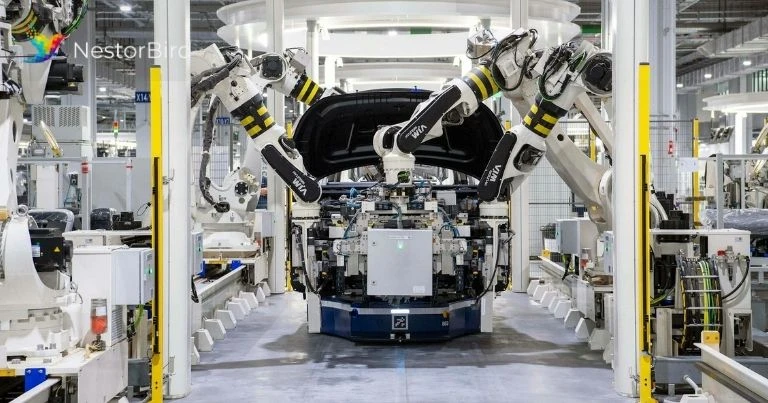

Efficient supply chain and inventory management are critical to the success of any manufacturing business. Delays, stockouts, or overstocking can increase costs, disrupt production, and impact customer satisfaction. A manufacturing ERP system offers a centralized solution to streamline these processes, ensuring manufacturers stay competitive in a fast-paced industry.
By integrating production, inventory, procurement, and logistics operations, ERP software provides real-time insights that improve decision-making and operational efficiency.
Understanding Manufacturing ERP Systems
A manufacturing ERP (Enterprise Resource Planning) system is a software platform that unifies key manufacturing processes into a single solution. It connects production planning, inventory management, supply chain operations, finance, and human resources.
Unlike standalone tools, a manufacturing ERP solution offers real-time data visibility, enabling manufacturers to manage resources efficiently, reduce waste, and optimize the flow of materials across the supply chain.
Key Challenges in Supply Chain and Inventory Management
Manufacturers often face operational challenges such as:
- Inaccurate inventory tracking and stock discrepancies
- Poor demand forecasting leading to overstocking or shortages
- Fragmented supply chain data across multiple systems
- Delays in procurement and production planning
- Difficulty maintaining compliance with industry standards
A manufacturing ERP system addresses these issues by automating processes, centralizing data, and providing actionable insights.
How Manufacturing ERP Improves Supply Chain Management
1. Real-Time Inventory Visibility
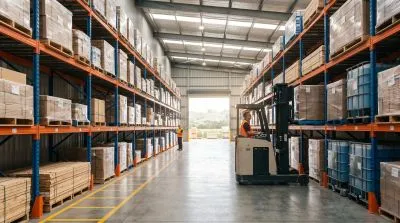
ERP systems offer real-time tracking of raw materials, work-in-progress, and finished goods. Manufacturers can monitor stock levels across multiple warehouses or production sites, preventing overstocking and reducing stockouts.
Accurate inventory visibility also helps in optimizing storage costs and improving order fulfillment.
2. Efficient Procurement and Vendor Management
A manufacturing ERP platform streamlines procurement by automating purchase orders, tracking supplier performance, and managing lead times. This ensures materials are available when needed, reducing delays in production.
Better vendor management also improves relationships with suppliers and can lead to cost savings through strategic sourcing.
3. Optimized Production Planning
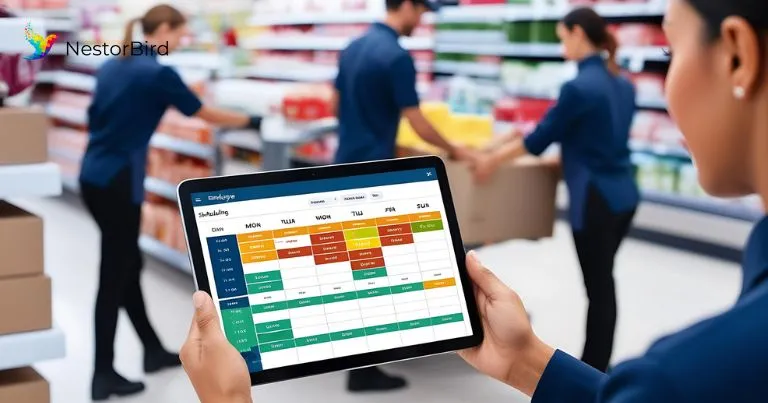
ERP systems integrate production schedules with inventory and supply chain data. Manufacturers can plan production runs based on real-time demand and material availability, minimizing idle time and overproduction.
This synchronization reduces operational inefficiencies and ensures timely delivery of products to customers.
4. Demand Forecasting and Analytics
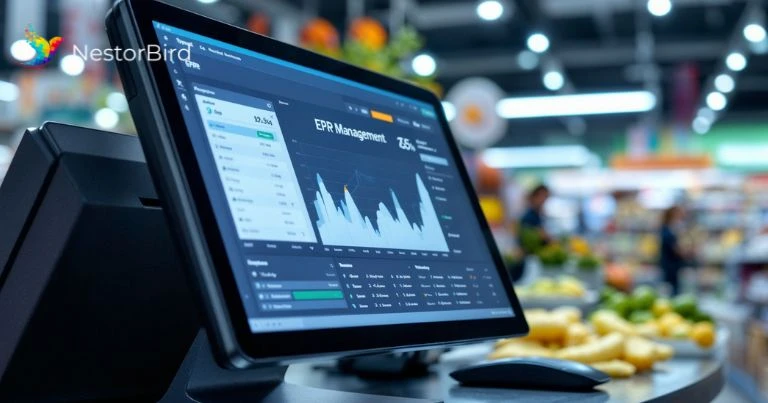
Advanced ERP solutions include analytics and reporting tools to forecast demand accurately. By analyzing historical sales, seasonality, and market trends, manufacturers can plan inventory levels and procurement more effectively.
Data-driven forecasting reduces excess stock, lowers holding costs, and ensures a smoother supply chain.
5. Improved Warehouse and Logistics Management
ERP systems optimize warehouse operations by tracking storage locations, automating stock movements, and managing shipment schedules. Integrated logistics management ensures that materials and finished goods reach the right place at the right time.
This reduces operational delays and enhances overall supply chain efficiency.
6. Enhanced Collaboration Across Departments
With a centralized ERP system, procurement, production, inventory, and logistics teams can collaborate seamlessly. Real-time data sharing reduces miscommunication, prevents bottlenecks, and ensures that every department is aligned with supply chain objectives.
Benefits of a Manufacturing ERP System
Implementing a manufacturing ERP system delivers measurable benefits, including:
- Improved inventory accuracy and control
- Reduced supply chain delays and operational costs
- Optimized production planning and scheduling
- Better supplier and vendor management
- Enhanced data-driven decision-making
These benefits not only streamline operations but also improve customer satisfaction and business profitability.
Choosing the Right Manufacturing ERP Solution
When selecting a manufacturing ERP Software, consider:
- Industry-specific functionality for production and inventory management
- Real-time analytics and reporting capabilities
- Integration with existing systems (accounting, CRM, SCM)
- Scalability for future growth
- User-friendly interface and implementation support
Partnering with a trusted ERP provider ensures smoother deployment and long-term ROI.
The Future of Supply Chain and Inventory Management
As technology evolves, ERP systems are becoming more intelligent with features like AI-powered demand forecasting, IoT-enabled inventory tracking, and cloud-based collaboration tools. Manufacturers that leverage these innovations can achieve greater efficiency, agility, and competitiveness.
Conclusion
A manufacturing ERP solutions is no longer optional—it’s essential for modern manufacturing businesses. By improving supply chain visibility, automating inventory control, and enabling data-driven decisions, ERP solutions help manufacturers reduce costs, minimize waste, and meet customer expectations efficiently.
Implementing the right ERP system is a strategic investment that drives operational excellence and positions manufacturers for sustainable growth in a competitive market.






















Sign in to leave a comment.