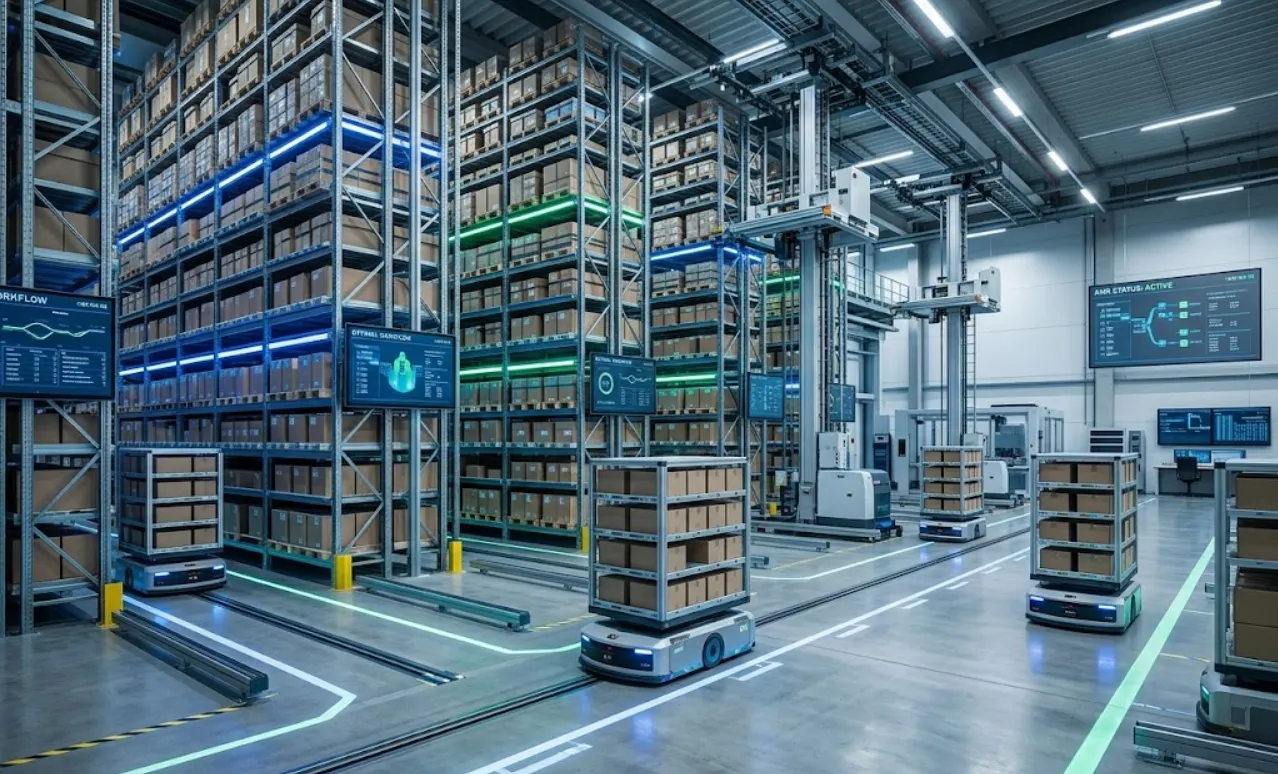

In an era where a single click can summon a product from across the globe to your doorstep, shipping has become the invisible backbone of modern civilization. It is a complex, multi-layered industry that facilitates the movement of trillions of dollars in goods every year. Whether you are a small business owner looking to expand your reach, an e-commerce enthusiast, or a curious consumer, understanding the mechanics of shipping is essential for navigating the contemporary economy.
This guide serves as a comprehensive resource to demystify the logistics landscape. We will explore the fundamental modes of transport, the intricacies of international regulations, the burgeoning role of technology, and the strategic decisions that define successful supply chains. By the end of this article, you will have a professional-grade understanding of how products move from point A to point B in the most efficient manner possible.
Section 1: The Foundations of Global Logistics and Transport Modes
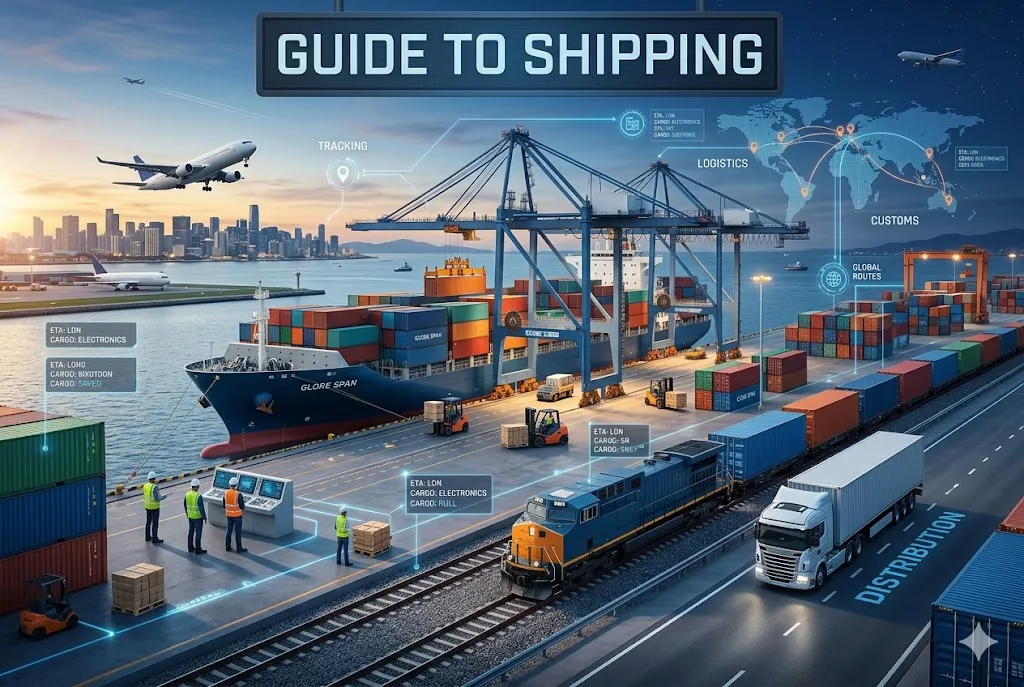
The world of shipping is not a monolith; it is a diverse ecosystem where different modes of transport serve specific needs based on speed, cost, and the nature of the cargo. To master shipping, one must first understand the four pillars of transport: sea, air, road, and rail.
Maritime Shipping: The Titan of Trade
Approximately 80 percent of global trade by volume is carried by sea. Ocean freight is the most cost-effective method for moving massive quantities of goods over long distances. It is categorized primarily into two types of container shipments: Full Container Load (FCL) and Less than Container Load (LCL). FCL is ideal for businesses that have enough cargo to fill a 20-foot or 40-foot container, while LCL allows multiple shippers to share space within a single container.
Technical definitions for many of these processes are often rooted in historical maritime law. For those seeking a deeper dive into the standardized terms used in these contracts, Wikipedia provides an excellent breakdown of International Commercial Terms, also known as Incoterms, which define the responsibilities of buyers and sellers.
Air Freight: The Need for Speed
When time is the primary constraint, air freight is the undisputed king. While significantly more expensive than sea transport, it reduces transit times from weeks to days. This mode is essential for high-value, perishable, or urgent goods such as electronics, pharmaceuticals, and fashion. The security measures for air cargo are also significantly tighter, which can reduce the risk of theft or damage during transit.
Land Transport: The Final Mile
Road and rail transport act as the connective tissue between ports, airports, and the final destination. Trucking remains the most flexible mode, offering door-to-door service that other methods cannot match. Rail transport, conversely, offers a more sustainable and cost-effective alternative for long-distance overland hauling of heavy materials like minerals or grain.
Section 2: Strategic Management and the Role of Forwarders
Navigating the logistics world requires more than just picking a boat or a plane; it requires a strategic approach to supply chain management. For many businesses, the complexity of managing these moving parts is too high to handle internally. This is where freight forwarders and third-party logistics (3PL) providers come into play.
The Value of Professional Coordination
A freight forwarder acts as an intermediary between the shipper and various transportation services. They do not move the goods themselves, but they possess the expertise to negotiate prices, handle documentation, and troubleshoot issues at border crossings. TerraLinkLogistics offers international freight and forwarding services to help businesses streamline these exact processes.
Choosing the right partner is a professional decision that can impact your bottom line. According to research highlighted by Forbes, optimizing your supply chain through strategic partnerships and data-driven management is no longer optional; it is a requirement for survival in a competitive market.
Understanding Costs and Surcharges
Shipping costs are rarely as simple as a single flat rate. Shippers must account for:
- Fuel Surcharges: These fluctuate based on global oil prices.
- Terminal Handling Charges: Fees collected by port authorities for loading and unloading.
- Currency Adjustment Factors: Charges added to offset potential losses from exchange rate volatility.
- Peak Season Surcharges: Increased rates during high-demand periods, such as the lead-up to the holidays.
Section 3: Technology, Innovation, and the Future of Shipping
The shipping industry is currently undergoing a digital transformation. From the integration of Artificial Intelligence (AI) to the implementation of blockchain for secure documentation, technology is making the "invisible backbone" more transparent than ever.
Real-Time Visibility and Data
In the past, once a container left a port, it was often a "black box" until it arrived at its destination. Today, GPS tracking and IoT (Internet of Things) sensors allow shippers to monitor not just the location of their goods, but also the temperature, humidity, and vibration levels. This level of detail is crucial for maintaining the integrity of sensitive cargo.
Current research and industry updates, such as those found on Google News, suggest that sustainability is the next big frontier. The industry is under pressure to reduce its carbon footprint, leading to the development of "green" ships powered by liquid natural gas (LNG), ammonia, or even hydrogen.
The Rise of Automation
Autonomous ships and drone deliveries are no longer science fiction. While fully autonomous transoceanic voyages are still in the testing phase, automated cranes and vehicles are already common in major ports like Singapore and Rotterdam. These innovations reduce human error and allow for 24/7 operations, significantly increasing the throughput of global logistics hubs.
Section 4: Navigating Customs, Compliance, and Documentation
The most significant hurdle in international shipping is often not the distance, but the paperwork. Every country has its own set of rules, taxes, and prohibited items. Failure to comply with these regulations can lead to costly delays, fines, or the seizure of goods.
Essential Documentation
To ensure a smooth journey, every shipment must be accompanied by several key documents:
- Bill of Lading (BoL): The contract between the shipper and the carrier. It serves as a receipt and a document of title.
- Commercial Invoice: A detailed list of the goods being shipped and their value, used by customs to calculate duties.
- Packing List: A breakdown of how the goods are packed, including weights and dimensions.
- Certificate of Origin: A document certifying where the goods were manufactured.
For those who need a Google search to understand the technical nuances of customs clearance, it is essentially the process of gaining permission from a government entity to bring goods into or out of a country.
Duties and Taxes
Import duties are taxes levied by a country on imported goods. These are typically based on the Harmonized System (HS) code, which is a standardized numerical method of classifying traded products. Understanding your product's HS code is vital for estimating the total "landed cost" of your shipment. This cost includes the original price of the product, transportation fees, insurance, and all applicable duties and taxes.
Conclusion: Mastering the Flow of Goods
Shipping is a dynamic and multifaceted discipline that requires a balance of strategic planning, technical knowledge, and the right partnerships. As the world becomes increasingly interconnected, the ability to move goods efficiently across borders will remain a cornerstone of economic success. By understanding the modes of transport, leveraging professional forwarding services, embracing new technologies, and staying compliant with international laws, you can turn your shipping operations into a competitive advantage.
The logistics landscape will continue to evolve, with sustainability and automation leading the charge. To stay ahead, businesses must remain agile and informed. If you are ready to take your logistics strategy to the next level, start by auditing your current supply chain and identifying areas where professional expertise could improve your efficiency.


























Sign in to leave a comment.