

In today’s fast-paced and highly competitive global economy, Logistics and Supply Chain Management has become a critical function for organizations across industries. From manufacturing and retail to healthcare and e-commerce, efficient logistics and supply chain operations ensure that products reach customers on time, at the right cost, and in optimal condition. As businesses expand globally and customer expectations continue to rise, professionals with expertise in Logistics and Supply Chain Management are in high demand.
This blog provides a comprehensive introduction to Logistics and Supply Chain Management, its core components, importance, key processes, career opportunities, and why professional training from Unichrone can help you build a successful career in this domain.
What Is Logistics and Supply Chain Management?
Logistics and Supply Chain Management refers to the planning, implementation, and control of the flow of goods, services, information, and resources from the point of origin to the final customer. It involves coordinating suppliers, manufacturers, warehouses, transportation providers, distributors, and retailers to ensure seamless operations.
While logistics focuses on transportation, storage, inventory, and order fulfillment, supply chain management takes a broader approach by integrating procurement, production, logistics, and customer service into a single, optimized system.
Importance of Logistics and Supply Chain Management
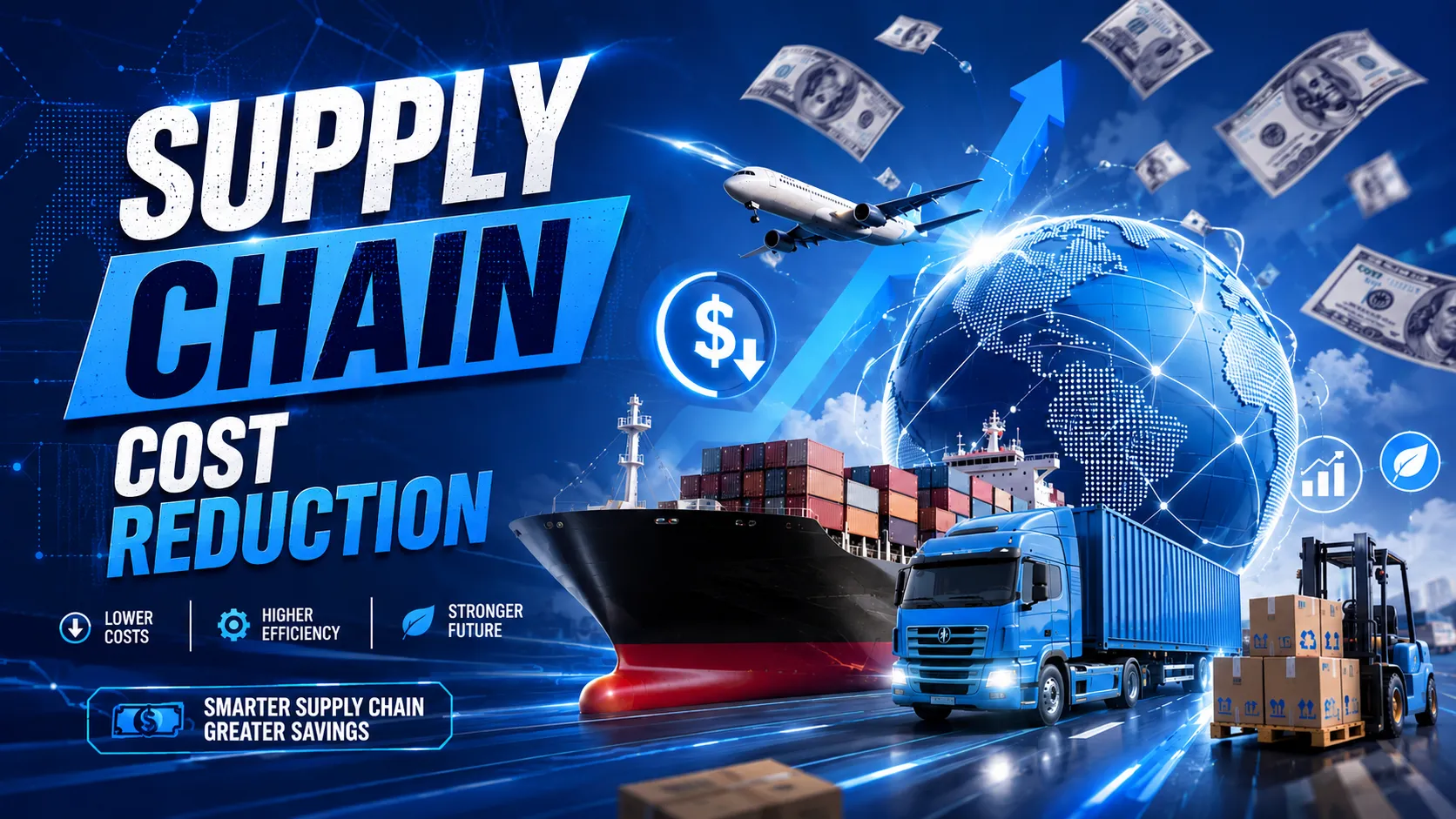
Effective Logistics and Supply Chain Management plays a vital role in organizational success. It helps businesses reduce operational costs, improve efficiency, and enhance customer satisfaction. Poor supply chain practices can lead to delays, excess inventory, stockouts, and financial losses.
With globalization and digital transformation, modern supply chains are becoming more complex. Companies now rely on advanced logistics strategies to remain competitive, manage risks, and adapt quickly to market changes. As a result, trained supply chain professionals are essential for sustaining long-term business growth.
Key Components of Logistics and Supply Chain Management
Understanding the core components of Logistics and Supply Chain Management is essential for professionals entering this field.
Procurement and Supplier Management
Procurement involves sourcing raw materials and selecting reliable suppliers. Effective supplier relationships help reduce costs, improve quality, and ensure uninterrupted production.
Inventory Management
Inventory management ensures the right quantity of products is available at the right time. Proper inventory control minimizes holding costs while preventing shortages or overstocking.
Transportation and Distribution
Transportation is a major cost driver in logistics. Selecting the right transportation modes and optimizing routes improves delivery speed and cost efficiency.
Warehousing and Storage
Warehousing plays a crucial role in maintaining product quality and managing stock efficiently. Modern warehouses use automation and technology to streamline operations.
Demand Planning and Forecasting
Accurate demand forecasting helps organizations plan production, inventory, and logistics more effectively, reducing waste and improving service levels.
How Logistics and Supply Chain Management Works
The Logistics and Supply Chain Management process begins with identifying customer demand and sourcing raw materials. These materials are then transformed into finished products, stored in warehouses, and distributed to customers through various transportation networks. Throughout this process, information flow, coordination, and performance measurement ensure smooth operations.
Technology such as ERP systems, supply chain analytics, IoT, and artificial intelligence plays a crucial role in improving visibility and decision-making across the supply chain.
Benefits of Effective Logistics and Supply Chain Management
Organizations that invest in strong Logistics and Supply Chain Management practices gain several advantages:
- Reduced operational and transportation costs
- Improved customer satisfaction and loyalty
- Enhanced supply chain visibility and control
- Faster order fulfillment and delivery
- Better risk management and resilience
- Increased profitability and competitive advantage
These benefits make Logistics and Supply Chain Management a strategic priority for businesses worldwide.
Career Opportunities in Logistics and Supply Chain Management
The growing importance of Logistics and Supply Chain Management has created diverse career opportunities for professionals. Common job roles include:
- Supply Chain Manager
- Logistics Coordinator
- Procurement Manager
- Warehouse Manager
- Inventory Planner
- Operations Manager
- Demand Planner
- Logistics Analyst
Industries such as manufacturing, retail, e-commerce, pharmaceuticals, automotive, and FMCG actively hire skilled supply chain professionals. With the right training and certification, career growth in this field can be rapid and rewarding.
Why Professional Training in Logistics and Supply Chain Management Matters
While many professionals gain experience on the job, structured training in Logistics and Supply Chain Management provides a strong foundation of concepts, tools, and best practices. Training helps individuals understand real-world supply chain challenges, apply analytical thinking, and use modern supply chain technologies effectively.
Professional training also enhances credibility, improves job prospects, and prepares candidates for leadership roles in supply chain and operations management.
Logistics and Supply Chain Management Training by Unichrone
Unichrone’s Logistics and Supply Chain Management Training is designed to equip professionals with practical knowledge and industry-relevant skills. The program covers end-to-end supply chain processes, logistics operations, inventory control, procurement strategies, and performance optimization.
Key benefits of Unichrone’s training include:
- Industry-aligned curriculum
- Real-world case studies and examples
- Expert-led sessions
- Practical tools and frameworks
- Career-oriented learning approach
Whether you are a beginner or an experienced professional, Unichrone’s training helps you gain the skills needed to succeed in today’s complex supply chain environment.
Future Scope of Logistics and Supply Chain Management
The future of Logistics and Supply Chain Management is driven by digital transformation, sustainability, automation, and data analytics. Concepts such as smart logistics, green supply chains, blockchain, and AI-powered forecasting are shaping the next generation of supply chains.
As businesses continue to adapt to global disruptions and evolving customer expectations, the demand for skilled logistics and supply chain professionals will continue to grow. Investing in training now can open doors to long-term career success.
Conclusion
Logistics and Supply Chain Management is no longer just an operational function—it is a strategic driver of business performance and customer satisfaction. Understanding its principles, processes, and best practices is essential for professionals aiming to build a successful career in this field.
With comprehensive Logistics and Supply Chain Management Training by Unichrone, learners gain the knowledge and practical skills required to excel in modern supply chain roles. Whether you are starting your journey or looking to advance your career, mastering Logistics and Supply Chain Management can help you stay competitive in a rapidly evolving global market.





























Sign in to leave a comment.