

The G3PO connector and the GPPO adapter are two such solutions that continue to perform satisfactorily in the RF realm while keeping the signal chain engagements technologically obscured. The evolution of RF systems has demanded a tighter collaboration between the engineers and the use of high-frequency, along with tight tolerance. In these types of environments, the performance of the connector is given the same importance as the active components.
Why the G3PO Connector Is Used
G3PO was designed for applications that required a compact size as well as high-frequency performance. It is of the push-on connector family, which gives users an easier way to handle it. The hassle of torque values or threading wear is completely out of concern, and the engineers are now able to form quick, repeatable unions with very little effort.
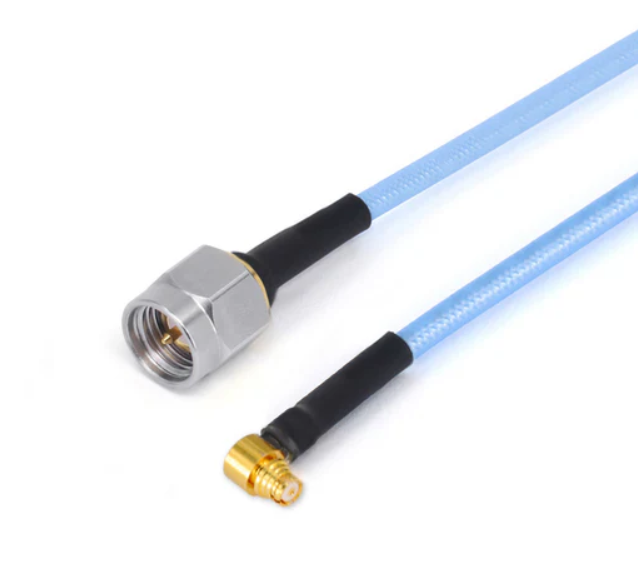
In fact, G3PO connectors can be found in all sorts of places, like testing equipment, RF modules, and the likes of high-density assemblies. Especially if the system requires frequent connectors and disconnections, for instance during testing, validation, or calibration, G3PO connectors prove handy. Push-on design cuts down the handling time, and still, the reliable electrical performance at high frequencies is not compromised.
As G3PO connectors commonly find use in a very precise environment, it is certain that their precision, unlike the case of rugged outdoor use, is the primary consideration when selecting them. If matching and alignment are done in a proper way, they can provide consistent results while the system does not get unnecessarily complicated.
The Role of a GPPO Adapter
When there are various connector interfaces that need to function together without degrading the signal, a GPPO adapter is the device to use. In RF systems, the scenarios where components have different connector types are normal, and a good-quality adapter will take that situation smoothly and effectively.
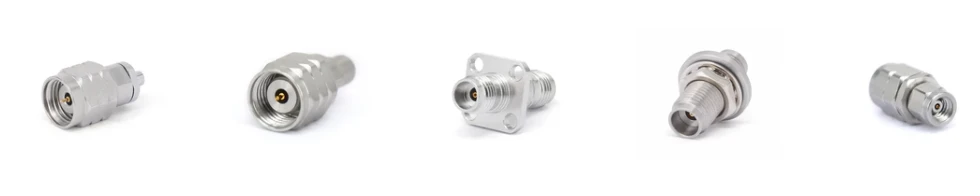
One of the major areas of application for GPPO adapters is in test setups, modular RF systems, and measurement facilities where flexibility is a necessity. The adapters enable the engineers to connect GPPO interfaces with other connectors that are compatible without having to worry about signal loss or reflections being too high. Hence, they have become a very important part of the laboratory environment where configurations frequently change.
Convenience is another plus point of GPPO adapters. They make system integration less complicated and lessen the need for custom cables or permanent alterations, which can lead to time savings in the areas of development and troubleshooting.
Choosing the Right Combination
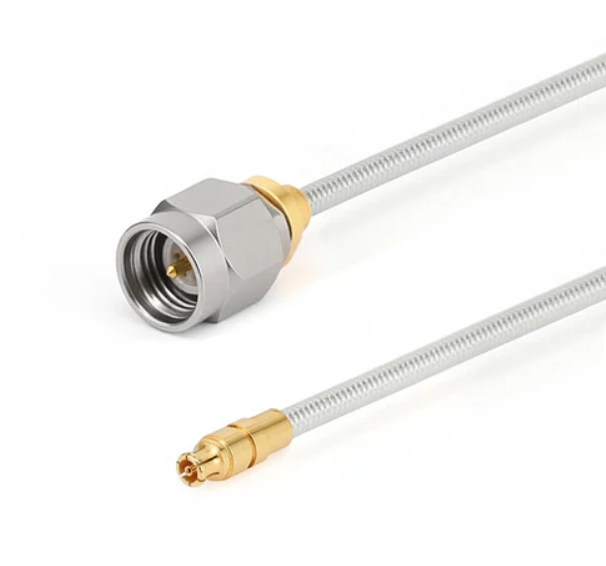
In many setups, G3PO connectors and GPPO adapters are used together as part of a larger RF chain. The connector provides the primary interface, while the adapter adds flexibility when transitioning between components. Choosing quality parts in both cases helps maintain consistent performance and reduces unexpected signal issues.


























Sign in to leave a comment.