

At first glance, shipping a car across state lines could be intimidating, but with proper planning and information, the procedure can be effortless, worry-free, and even economical. It doesn’t matter if you are moving for your job and taking a vehicle from another state or just sending your family a car, knowing the ins and outs of car transportation is essential. This comprehensive guide will lead you to the knowledge and processes needed to safely and quickly ship your car to another state.
Why You Might Need to Ship a Car
There are several scenarios where shipping a car is the best option:
- Relocation – Moving to another state for work, school, or family reasons often requires transporting your vehicle. Driving it yourself might be inconvenient, costly, or time-consuming.
- Online Vehicle Purchases – Buying a car from an out-of-state seller means you’ll need a reliable way to get it home.
- Seasonal or Temporary Moves – For those who live part-time in another state, shipping a car can save wear and tear on your vehicle.
- Military or Corporate Transfers – Relocation assistance programs often include options for vehicle shipment.
No matter the reason, the goal is to get your car safely from point A to point B without breaking the bank or creating unnecessary stress.
Choosing the Right Car Shipping Method
When you decide to ship a car to another state, one of the first decisions is choosing the transportation method. The most common options are:
1. Open Transport
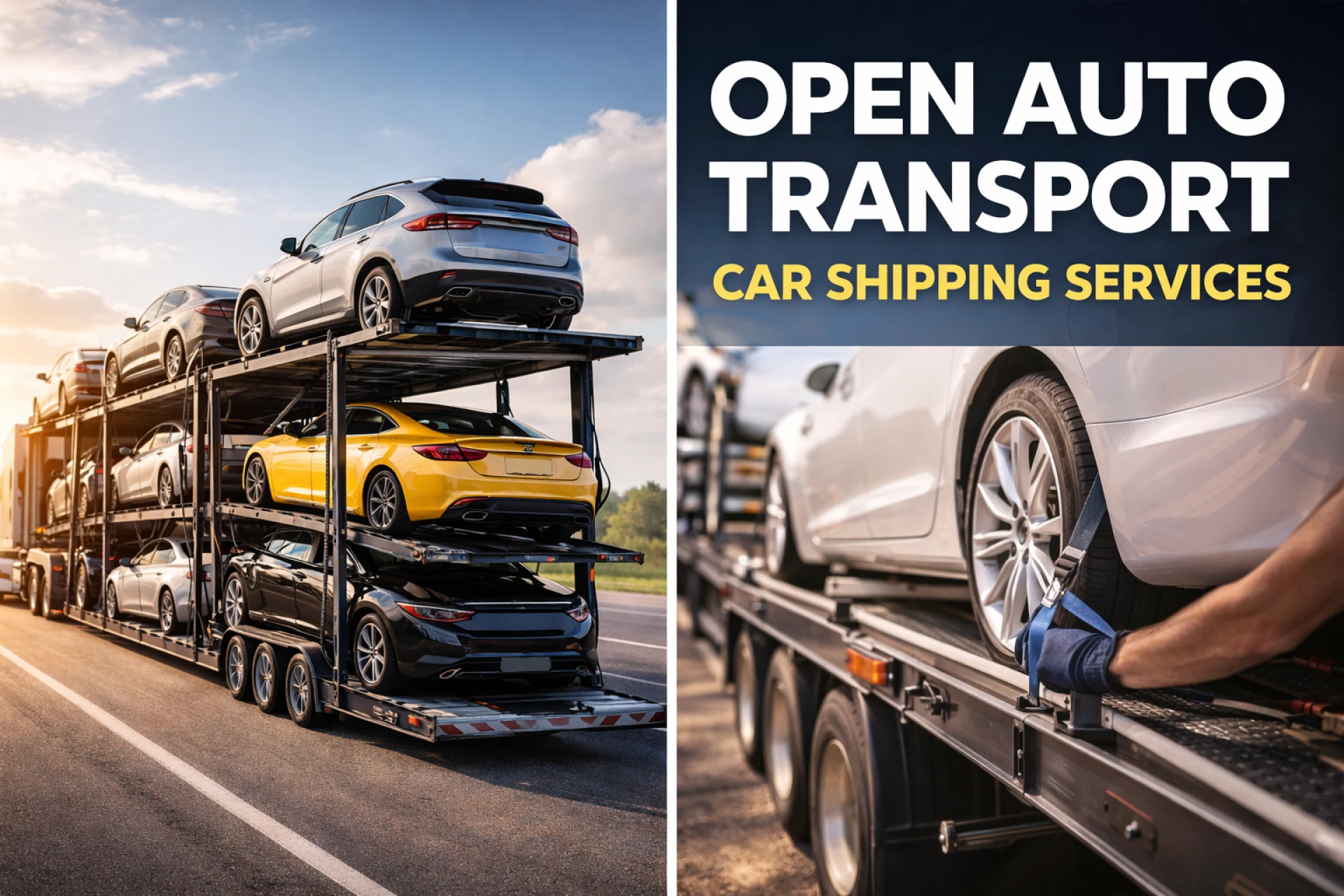
Open transport is the most common and cost-effective method. Vehicles are loaded onto an open trailer along with several other cars. While it exposes your car to weather and road debris, it is generally safe, insured, and affordable.
- Pros: Lower cost, widely available, faster scheduling
- Cons: Exposure to weather and road debris
2. Enclosed Transport
Enclosed transport is ideal for luxury, classic, or high-value vehicles. Cars are transported in a fully enclosed trailer, protecting them from weather, dust, and debris.
- Pros: Maximum protection, peace of mind
- Cons: More expensive, limited availability
3. Terminal-to-Terminal Shipping
This method involves dropping off your car at a shipping terminal and picking it up at a terminal in your destination state. It’s usually cheaper than door-to-door shipping but requires more effort on your part.
- Pros: Cost-effective
- Cons: Less convenient, may require personal transport to and from terminals
4. Door-to-Door Shipping
With /, the carrier picks up your car at your location and delivers it directly to your destination. This is the most convenient option and reduces logistical stress.
- Pros: Convenient, minimal effort
- Cons: Slightly more expensive
Calculating the Cost of Shipping a Car
The cost of shipping a car varies based on multiple factors. When estimating the cost, consider:
- Distance: Longer distances typically cost more, but per-mile rates can decrease for cross-country shipping.
- Vehicle Type: Larger vehicles like SUVs and trucks cost more to transport than sedans.
- Transport Type: Enclosed shipping costs more than open transport.
- Season: Shipping rates may rise during peak moving seasons (spring and summer).
- Pickup and Delivery Locations: Shipping to rural or hard-to-access areas can increase costs.
On average, shipping a car across state lines in the U.S. can range from $600 to $1,200 for standard sedans on open carriers. Enclosed transport can cost 30–50% more.
Steps to Ship a Car to Another State
Here’s a step-by-step approach to ensure a smooth car shipment:
Step 1: Gather Vehicle Information
Before requesting quotes, collect your car’s details:
- Make, model, year
- Vehicle condition (running or non-running)
- Dimensions (length, width, height)
- Any aftermarket modifications
Having accurate information ensures precise quotes and prevents surprises later.
Step 2: Research and Choose a Reliable Auto Transport Company
Not all auto transport companies are created equal. When choosing a carrier:
- Check online reviews and ratings
- Confirm insurance coverage
- Ask about licensing and registration (e.g., USDOT number)
- Compare multiple quotes
Step 3: Get a Quote and Book Your Shipment
Request quotes from at least 3–5 reputable companies. Once you’ve compared prices and services, book your shipment. Most carriers require a deposit at the time of booking.
Step 4: Prepare Your Car for Transport
Proper preparation ensures safe and hassle-free shipping:
- Clean your car inside and out
- Remove personal items
- Check for leaks or mechanical issues
- Document existing damage with photos
- Leave only a quarter tank of gas
Step 5: Inspect and Sign the Bill of Lading
The bill of lading is a legal document detailing your car’s condition. Inspect your vehicle with the carrier, noting scratches, dents, or other damages. Sign the document to protect yourself.
Step 6: Track Your Shipment
Many companies provide tracking updates. Stay in touch with the carrier to confirm pickup and estimated delivery times.
Step 7: Receive and Inspect Your Car
When your car arrives, inspect it carefully against the bill of lading. Note any new damage and report it immediately to the shipping company.
Tips to Save Money When Shipping a Car
Shipping a car can be expensive, but a few strategies can help reduce costs:
- Ship During Off-Peak Seasons – Avoid peak moving months when demand is high.
- Choose Open Transport – If your car doesn’t require extra protection, open transport is significantly cheaper.
- Flexible Scheduling – Being flexible with pickup and delivery dates can result in lower prices.
- Terminal-to-Terminal Shipping – If convenient, shipping to a terminal instead of your doorstep can save money.
Common Mistakes to Avoid
Even with preparation, mistakes happen. Avoid these common pitfalls:
- Failing to Research the Carrier – Not verifying licenses or insurance can lead to lost deposits or damaged cars.
- Leaving Personal Items in the Vehicle – Insurance typically doesn’t cover personal belongings.
- Skipping the Vehicle Inspection – Without documentation, it’s difficult to prove pre-existing damage.
- Rushing the Process – Hasty decisions often lead to higher costs or unreliable carriers.
Insurance Considerations
While most carriers provide basic insurance, it’s essential to:
- Verify coverage limits
- Check if your personal auto insurance covers shipping
- Consider purchasing additional insurance for high-value vehicles
Proper insurance ensures peace of mind and financial protection in case of unexpected events.
Final Thoughts
Shipping a car to another state doesn’t have to be stressful. By understanding the process, choosing the right shipping method, and preparing your vehicle carefully, you can ensure a safe and efficient transport. Whether you’re relocating, buying a car from out of state, or sending a vehicle to a family member, following this insider guide will help you navigate the process like a pro.
Remember, the key is research, preparation, and choosing a trusted auto transport company. With these steps, you can confidently ship a car to another state and have it arrive safely at your destination.


























Sign in to leave a comment.