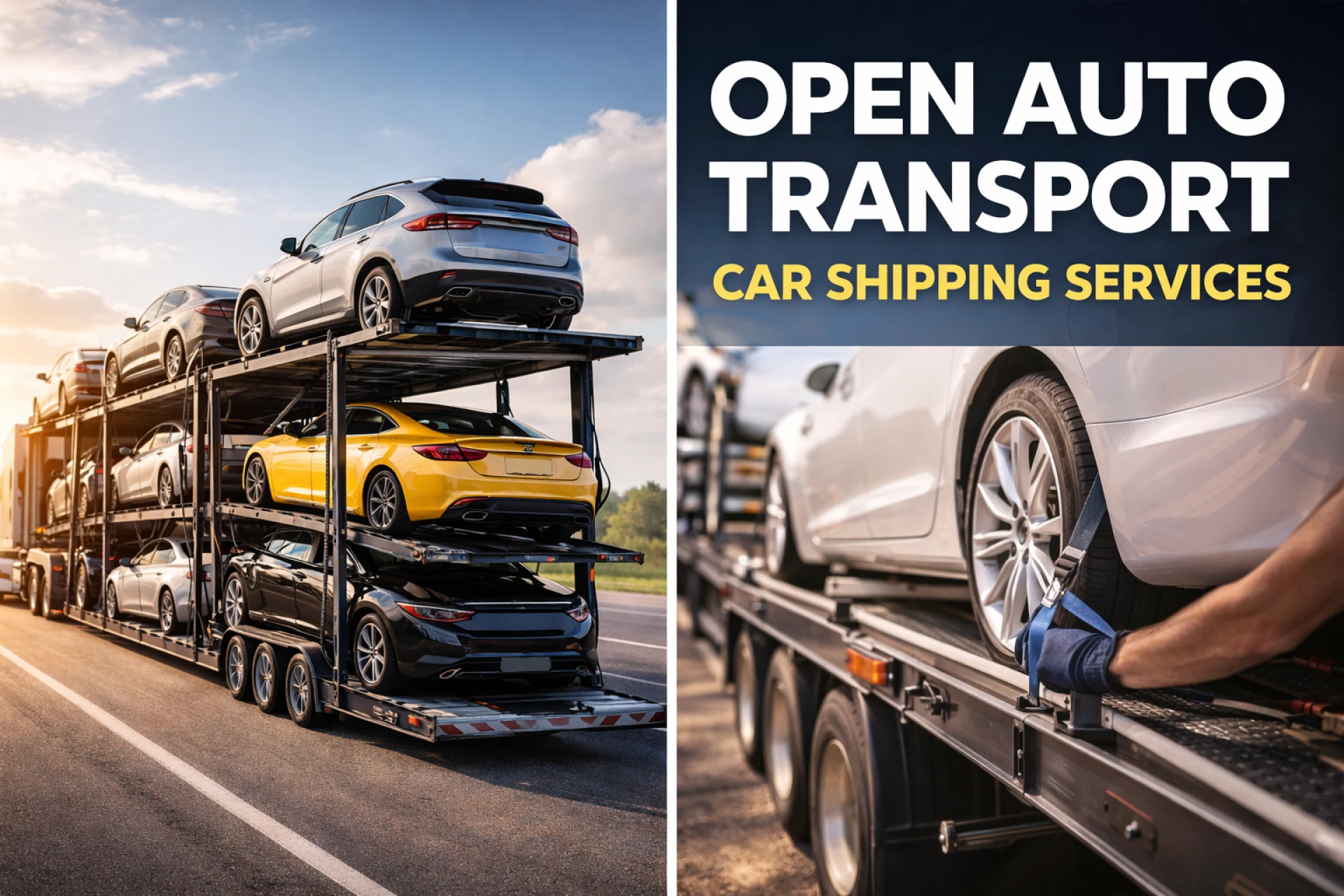

Transporting a vehicle across cities or states can seem daunting, especially when cost, timing, and vehicle safety are top priorities. Open carrier car shipping has emerged as one of the most popular and efficient methods for transporting vehicles safely and affordably. In this article, we’ll explore what open carrier car shipping is, how it works, its benefits, potential drawbacks, costs, preparation tips, and answer frequently asked questions.
What Is Open Carrier Car Shipping?
Open carrier car shipping refers to transporting vehicles on an open-air trailer, commonly known as an open car hauler. These trailers are capable of carrying multiple vehicles at once, typically stacked on two levels. Unlike enclosed auto transport, open carriers expose vehicles to the environment, but they are a reliable, widely used, and economical option for most standard cars, trucks, and SUVs.
Open carriers are a staple in the auto transport industry because of their efficiency. They allow multiple vehicles to be transported simultaneously, reducing operational costs and making this method more affordable than enclosed shipping.
How Open Carrier Car Shipping Works
Understanding the process of open carrier car shipping can help you plan your vehicle transport effectively:
- Request a Quote: Start by providing details about your vehicle, pickup and delivery locations, and preferred dates. This will help calculate cost and schedule availability.
- Schedule Pickup: Your vehicle is picked up from your location or a designated terminal. Many carriers offer door-to-door or terminal-to-terminal service.
- Vehicle Inspection: Before loading, an inspection is conducted to document the current condition of your car. Photographs are often taken to record any existing damage.
- Loading: Vehicles are securely loaded onto the open trailer using ramps and specialized equipment. Cars are strapped in place to prevent movement during transit.
- Transport: Experienced drivers transport your vehicle on the open trailer along the planned route. While exposed to weather and road conditions, proper securing ensures minimal risk of damage.
- Delivery and Final Inspection: Upon arrival, your car is unloaded, and a final inspection ensures it matches the pre-shipping condition.
Benefits of Open Carrier Car Shipping
There are several reasons why open carrier car shipping is preferred by most vehicle owners:
- Cost-Effective: Open carriers transport multiple vehicles at once, which reduces the per-car cost compared to enclosed auto transport.
- Efficient Scheduling: Open carriers are widely available, making it easier to find transport on short notice.
- Reliable and Safe: Vehicles are securely strapped onto the trailer, and professional drivers follow strict safety protocols.
- Suitable for Standard Vehicles: For everyday cars, trucks, and SUVs, open carriers provide sufficient protection while keeping costs low.
- Nationwide Coverage: Open carrier shipping services are available across the country, making it easy to transport vehicles from coast to coast.
Potential Considerations
While open carrier shipping is efficient and cost-effective, there are some factors to consider:
- Exposure to Weather: Vehicles are exposed to rain, snow, dust, and sun. This generally isn’t an issue for modern cars but may be a concern for high-value or classic vehicles.
- Limited Protection from Debris: Road debris, while rare, could potentially cause minor scratches or chips.
- Less Privacy: Cars are visible to the public during transit, unlike enclosed transport where vehicles are hidden inside a trailer.
Despite these considerations, open carrier car shipping remains a trusted method for transporting vehicles safely at a reasonable cost.
Cost Factors for Open Carrier Car Shipping
The cost of shipping a vehicle on an open carrier depends on several key factors:
- Distance: Longer distances generally increase the cost.
- Vehicle Size: Larger vehicles like trucks or SUVs may incur higher fees.
- Pickup and Delivery Locations: Urban versus rural locations can affect pricing.
- Seasonal Demand: Prices can fluctuate during peak moving seasons.
- Type of Service: Door-to-door service may cost more than terminal-to-terminal shipping.
On average, open carrier car shipping is significantly cheaper than enclosed shipping, making it the go-to choice for most standard vehicles.
Tips to Prepare Your Vehicle for Open Carrier Shipping
Proper preparation helps ensure a smooth and safe transport experience:
- Clean Your Vehicle: Remove dirt and debris for a clear inspection.
- Document Existing Damage: Take detailed photos of any scratches, dents, or imperfections.
- Remove Personal Items: Most carriers do not allow personal belongings inside the vehicle.
- Check for Mechanical Issues: Make sure the car is in good working condition, especially brakes and tires.
- Fuel Level: Keep the fuel tank around a quarter full to reduce weight and ensure safety.
- Disable Alarms: Turn off vehicle alarms to prevent accidental triggering during transit.
Following these steps helps avoid delays and ensures the vehicle is handled safely.
FAQs About Open Carrier Car Shipping
Q1: How long does open carrier car shipping take?
Transit time depends on distance, route, and carrier availability. Local moves may take 1–3 days, while long-distance moves can take 5–10 days.
Q2: Is open carrier car shipping safe?
Yes, professional drivers secure vehicles with straps and follow strict safety procedures. While cars are exposed to the environment, damage is rare.
Q3: Can any vehicle be shipped via open carrier?
Most standard vehicles, including cars, trucks, and SUVs, are suitable for open carrier transport. Extremely low-clearance or oversized vehicles may require special handling.
Q4: How much does open carrier car shipping cost?
Costs vary based on distance, vehicle size, season, and service type. It is generally more affordable than enclosed shipping.
Q5: Can I track my vehicle during transport?
Many carriers offer GPS tracking or regular updates to let you monitor your vehicle during transit.
Q6: What if my vehicle is damaged during open carrier shipping?
Reputable carriers provide insurance coverage for any damage during transport. Always review the insurance policy and claims process before shipping.
Open Carrier Car Shipping vs. Enclosed Shipping
Understanding the difference between open carrier and enclosed shipping helps in choosing the right method:
- Open Carrier Shipping: Economical, widely available, suitable for standard vehicles, exposed to weather and road conditions.
- Enclosed Car Shipping: Higher cost, ideal for high-value, luxury, classic, or exotic vehicles, fully protected from weather and debris.
For most everyday vehicles, open carrier shipping provides a perfect balance of cost and safety.
Conclusion
Open carrier car shipping is an efficient, reliable, and cost-effective solution for transporting vehicles across short or long distances. While vehicles are exposed to the elements, professional drivers and secure strapping minimize risks, making it a trusted choice for standard cars, trucks, and SUVs. By understanding the process, preparing your vehicle properly, and choosing the right service, you can ensure a smooth and stress-free vehicle transport experience.
Whether moving across the state or across the country, open carrier car shipping remains one of the most popular options for affordable and safe vehicle transport.




























Sign in to leave a comment.