

Introduction
In the modern global economy, businesses operate in an environment where speed, reliability, and precision are no longer optional advantages but essential requirements for survival and growth. Among all international transportation methods, air freight shipping has emerged as one of the most powerful and dependable solutions for moving goods across borders in the shortest possible time. It enables companies to connect suppliers, manufacturers, and customers across continents within hours or a few days, creating a seamless flow of goods that supports industries ranging from retail and technology to healthcare and manufacturing.
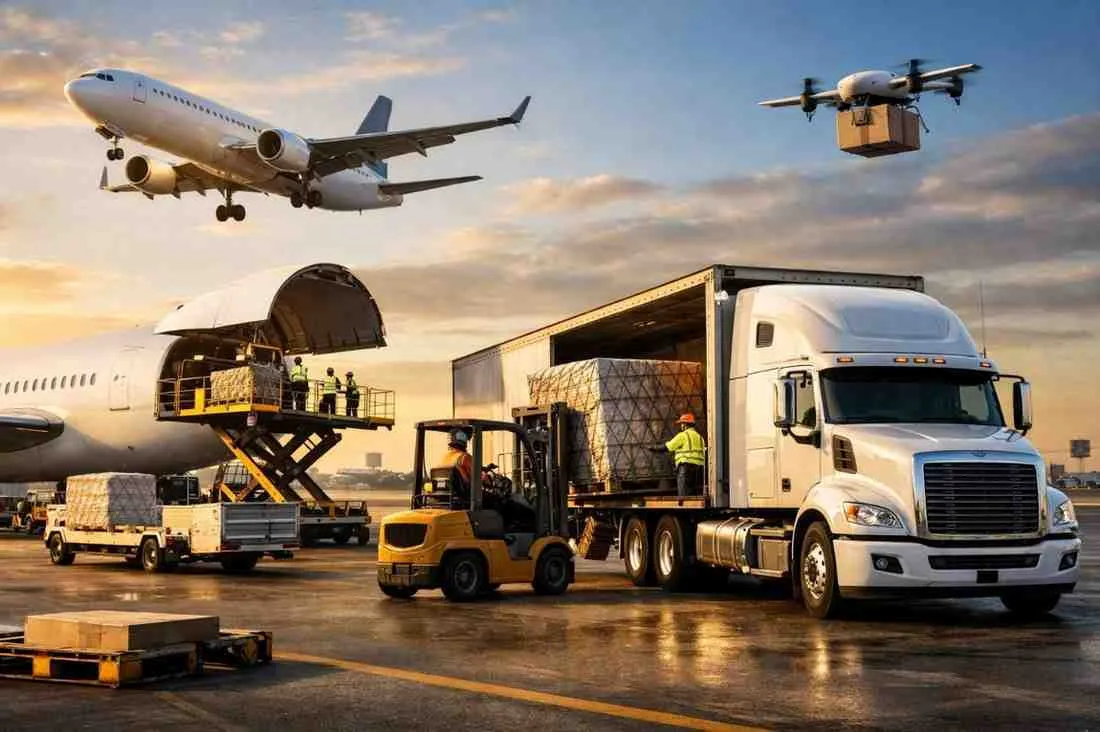
Unlike slower and more traditional transportation methods such as sea or road freight, air freight shipping is designed for urgency and efficiency. It is widely used for high value goods, time sensitive shipments, perishable items, and critical supply chain components where even minor delays can cause significant operational disruptions or financial losses. However, air freight is not simply about putting cargo on a plane. It involves a highly coordinated system of logistics planning, documentation, compliance, cargo handling, and route optimization.
This is where freight forwarding services become essential. These services act as professional intermediaries that manage the entire shipping process, ensuring that goods move smoothly from origin to destination without unnecessary delays or complications. Freight forwarders coordinate with airlines, customs authorities, ground handlers, and transportation providers, allowing businesses to focus on their core operations while logistics experts handle the complexity of global shipping.
In this comprehensive guide, we will take a deep look into how air freight shipping works, why it plays such a critical role in global trade, how freight forwarding services support it, and what challenges and strategies businesses must understand to use it effectively.
1. The Fundamentals of Air Freight Shipping in Global Trade
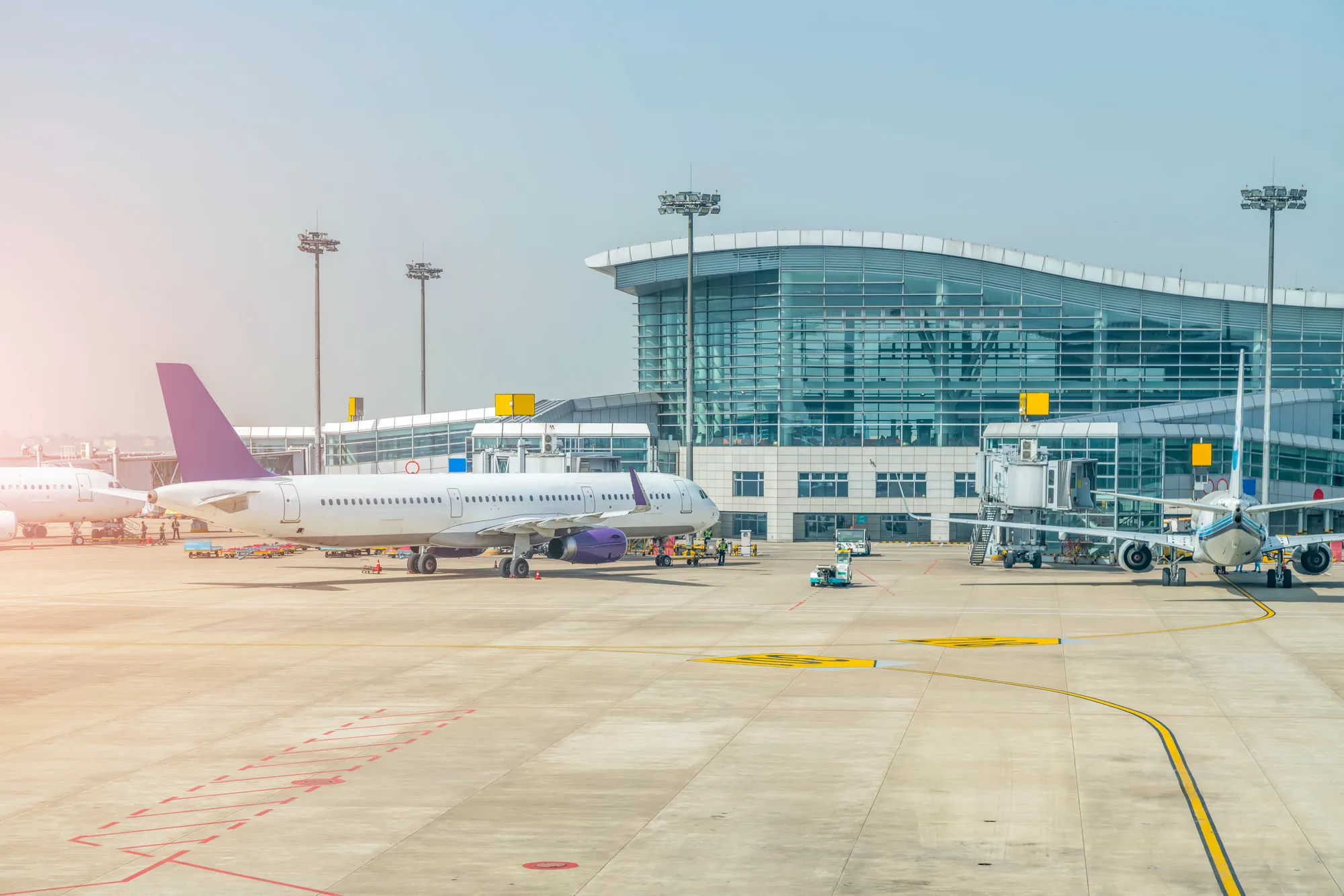
Air freight shipping refers to the transportation of goods via aircraft, which may include dedicated cargo planes or the cargo compartments of passenger flights. It is one of the fastest modes of international transportation and plays a crucial role in connecting global markets. In many industries, air freight is not just a convenience but a necessity that keeps supply chains functioning without interruption.
One of the most important aspects of air freight shipping is its ability to dramatically reduce transit time. Shipments that would take several weeks by sea can often be delivered within one to five days through air transport, depending on distance and routing. This speed is especially important for industries such as electronics, automotive manufacturing, pharmaceuticals, fashion, and e-commerce, where product life cycles are short and demand changes rapidly.
Another key feature of air freight shipping is its global accessibility. International airports serve as major logistics hubs, connecting even remote regions to global trade networks. This connectivity allows businesses in developing and landlocked countries to participate in international commerce with greater ease than ever before. As a result, air freight has become a major driver of globalization and economic integration.
Security is also a defining advantage of air freight shipping. Airports operate under strict security regulations, including cargo screening, surveillance systems, and controlled handling procedures. These measures significantly reduce risks such as theft, damage, or unauthorized access. For high value goods like medical equipment, luxury items, and sensitive technology components, this level of protection is extremely important.
However, despite its many advantages, air freight shipping comes with higher costs compared to sea or land transport. The pricing is influenced by multiple factors, including shipment weight, volumetric space, fuel costs, distance, and service priority. Even though it is more expensive, many businesses still choose air freight because the value of speed, reliability, and reduced inventory delays often outweighs the additional cost.
At this stage of the logistics process, freight forwarding services become a critical support system, ensuring that all operational and regulatory requirements are managed efficiently and professionally.
2. The Role of Freight Forwarding Services in Air Freight Operations
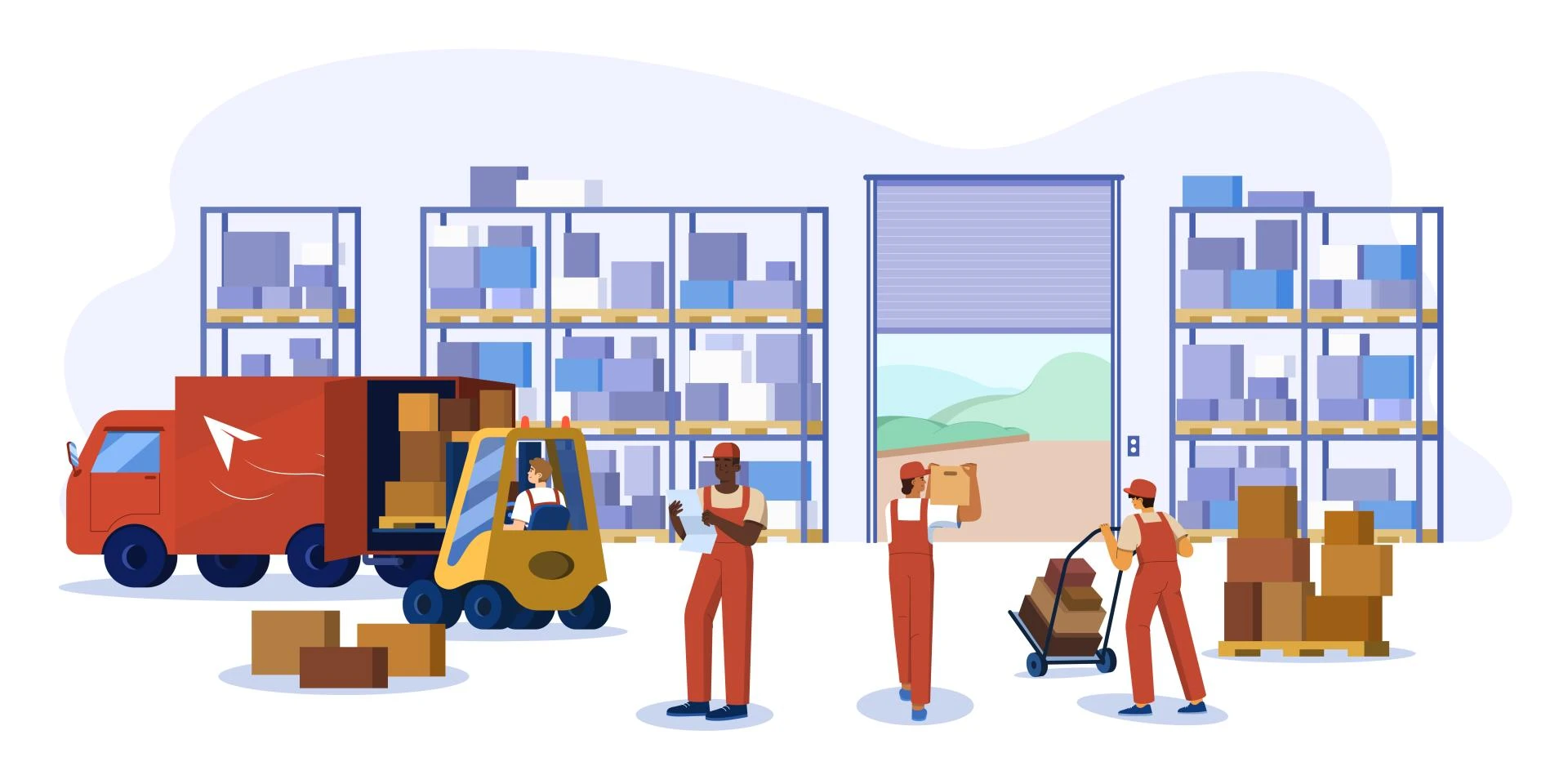
Air freight shipping is a complex process that involves far more than simply booking space on an aircraft. It requires detailed coordination across multiple stakeholders, including airlines, customs departments, warehouse operators, and transport companies. Managing all these elements independently can be overwhelming for most businesses, especially those involved in international trade. This is why freight forwarding services play such a vital role in modern logistics.
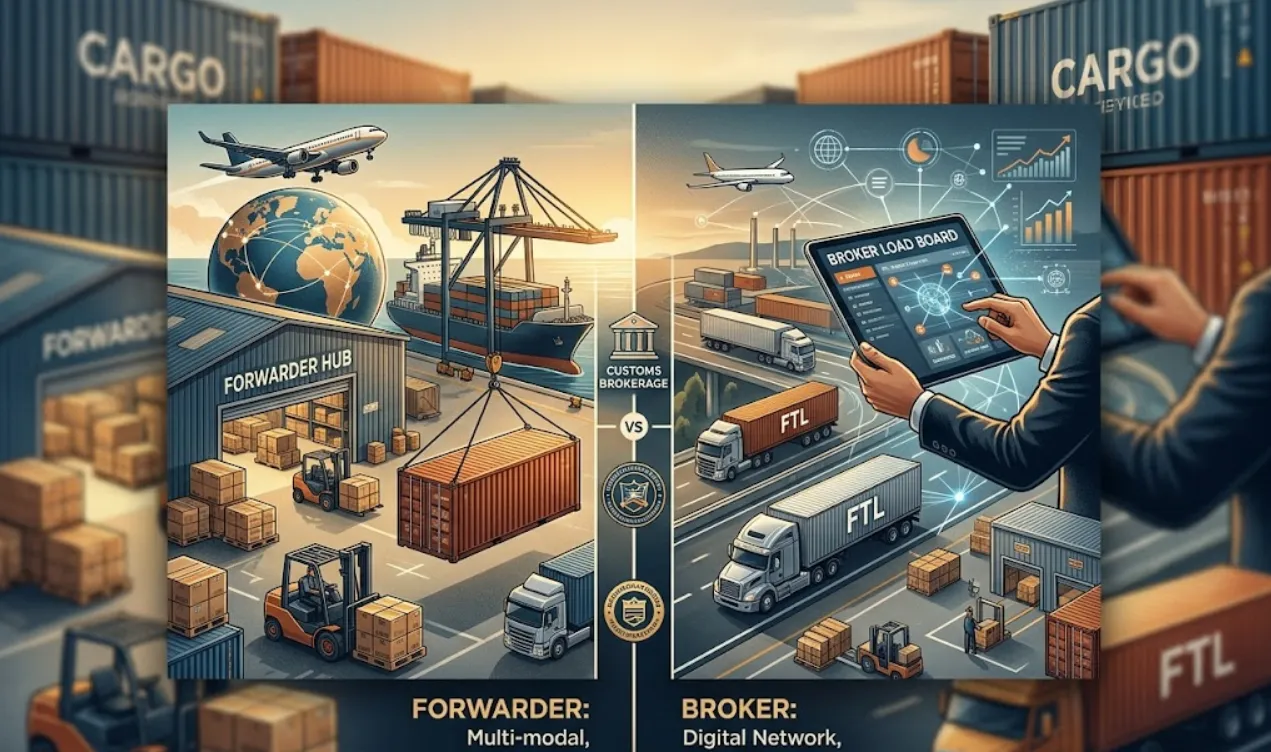
Freight forwarders act as logistics coordinators who manage the entire shipping journey on behalf of the shipper. They do not usually own aircraft or trucks; instead, they work through established global networks to arrange the most efficient, cost effective, and reliable transportation solutions.
One of their most important responsibilities is cargo arrangement and space optimization. Freight forwarders assess shipment requirements and either book dedicated cargo space or consolidate smaller shipments from multiple clients into a single shipment. This consolidation process helps reduce shipping costs while ensuring efficient use of available aircraft capacity.
Documentation management is another critical function. International air freight shipping requires accurate and complete paperwork, including air waybills, commercial invoices, packing lists, export declarations, and import permits. Even a small error in documentation can result in delays, penalties, or shipment rejection at customs. Freight forwarding services ensure that all documentation is correctly prepared and compliant with international trade regulations.
Customs clearance is often one of the most complicated parts of global shipping. Each country has its own import rules, tariff systems, and inspection requirements. Freight forwarders handle this process by working closely with customs authorities, ensuring that goods pass through checkpoints smoothly and without unnecessary delays. Their expertise helps businesses avoid costly mistakes and regulatory issues.
Another important contribution of freight forwarding services is real time tracking and communication. Modern freight systems allow businesses to monitor their shipments throughout the entire journey. This visibility improves planning, reduces uncertainty, and helps companies respond quickly if any issues arise during transit.
In addition, freight forwarders provide cost management support. By leveraging their industry relationships and bulk shipping agreements, they can often secure better rates than individual shippers. They also advise clients on the most efficient routes and transportation strategies, helping to balance speed and cost effectively.
Overall, freight forwarding services serve as the backbone of efficient air freight shipping operations, ensuring that every stage of the process is managed professionally and without disruption.
3. Key Advantages of Air Freight Shipping for Businesses
Air freight shipping offers a wide range of advantages that make it an essential logistics solution for many industries operating in fast paced markets. The most significant benefit is speed. Air transportation enables goods to move across continents in a fraction of the time required by other shipping methods. This allows businesses to respond quickly to customer demands, replenish inventory rapidly, and maintain efficient production schedules.
Reliability is another major advantage. Airlines operate on fixed schedules, which makes air freight more predictable compared to other transportation modes that may be affected by port congestion, traffic delays, or infrastructure limitations. When supported by professional freight forwarding services, this reliability is further enhanced through careful planning and coordination of each stage of the shipment process.
Security is also a key strength of air freight shipping. Cargo is handled under strict airport security protocols, reducing the risk of theft, tampering, or physical damage. This makes it particularly suitable for valuable, fragile, or sensitive goods that require careful handling throughout their journey.
Air freight also supports global business expansion by providing access to international markets. Companies can reach customers in distant regions without needing to establish physical infrastructure in every location. This global reach allows businesses to scale more efficiently and explore new market opportunities with reduced logistical barriers.
Another important benefit is improved inventory management. Because air freight significantly reduces delivery times, businesses do not need to store large quantities of inventory for long periods. This reduces warehousing costs, minimizes stock risk, and improves cash flow efficiency.
Temperature sensitive shipping is another area where air freight excels. Goods such as fresh food, pharmaceuticals, medical supplies, and certain chemicals require controlled environments to maintain quality. Air freight shipping offers specialized handling systems that help preserve product integrity throughout the journey.
When combined with effective freight forwarding services, these advantages become even more powerful, creating a highly efficient and responsive global supply chain system.
4. Challenges and Optimization Strategies in Air Freight Shipping
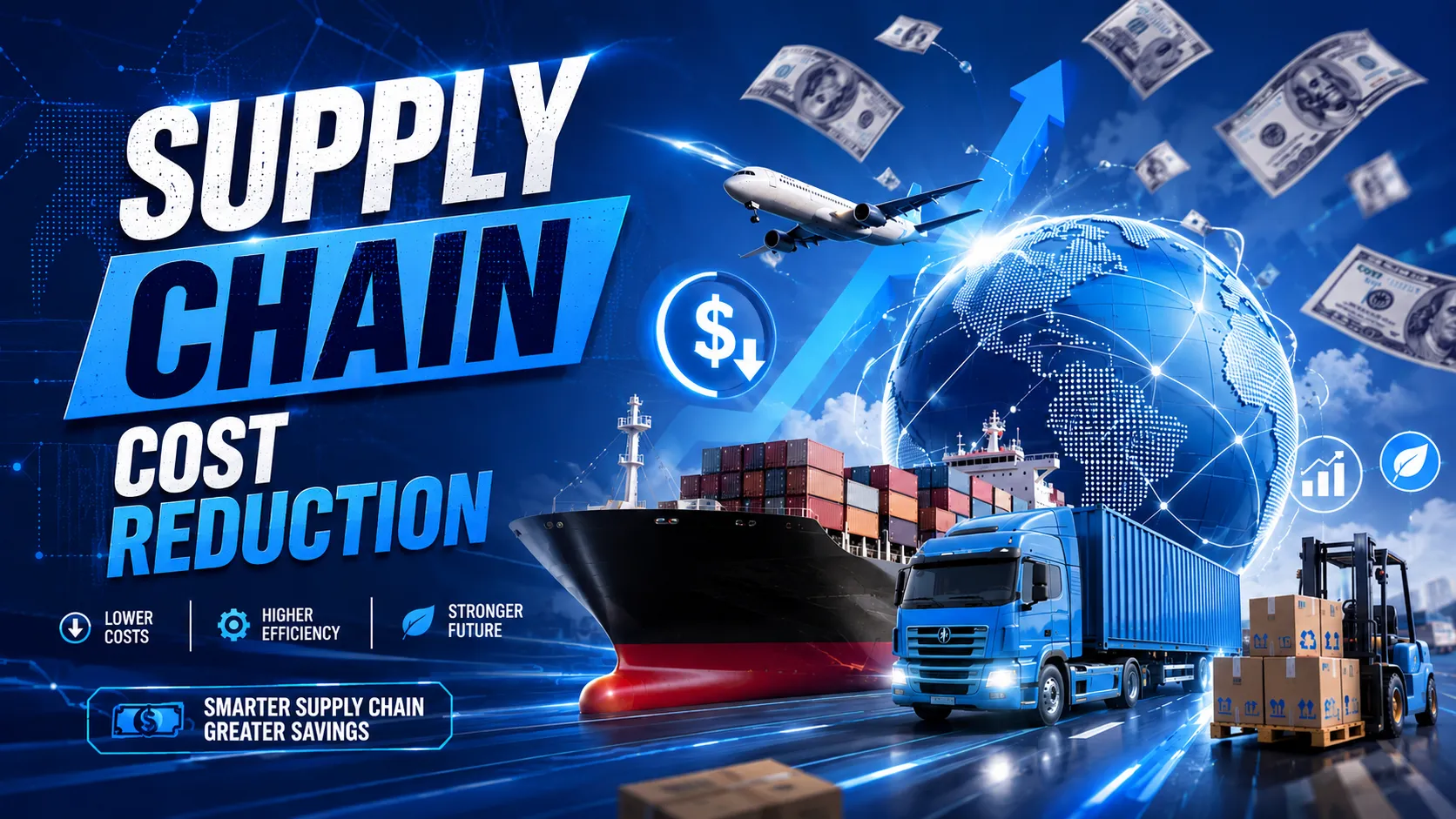
Despite its many benefits, air freight shipping is not without challenges. One of the most significant limitations is cost. Air transport is generally more expensive than sea or land freight due to fuel consumption, limited cargo space, and operational expenses. In many cases, pricing is calculated based on volumetric weight, which means large but lightweight goods can still be costly to ship.
Capacity limitations also present a challenge. Aircraft have restricted cargo space, and during peak demand periods such as holiday seasons or global sales events, space availability becomes even more limited. This can lead to increased prices and scheduling difficulties.
Regulatory complexity is another major issue. International shipping requires compliance with multiple legal systems, customs regulations, and documentation standards. Any mistake can lead to delays or financial penalties. This is one of the main reasons businesses rely heavily on freight forwarding services, as they provide expertise in navigating these regulatory environments.
Environmental concerns are also becoming increasingly important. Air freight has a higher carbon footprint compared to other transportation methods, which has led many companies to explore more sustainable logistics practices. These include route optimization, fuel efficient aircraft, and carbon offset programs.
To address these challenges, businesses can adopt several practical strategies. Shipment consolidation is one of the most effective methods, allowing multiple smaller shipments to be combined into one larger load to reduce costs. Early booking also helps secure better rates and ensures availability during peak periods.
Another effective strategy is the use of hybrid logistics models, where air freight is combined with sea or road transport to balance speed and cost efficiency. Technology also plays a major role in optimization, with digital tracking systems and automated logistics platforms improving transparency and reducing operational errors.
Ultimately, working closely with experienced freight forwarding services helps businesses optimize every aspect of air freight shipping, from cost control to delivery performance.
Conclusion and Call to Action
Air freight shipping remains one of the most important pillars of modern global logistics. Its unmatched speed, reliability, and security make it an essential solution for businesses that operate in competitive and time sensitive industries. While it does come with challenges such as higher costs and regulatory complexity, these can be effectively managed through strategic planning and expert logistics support.
The role of freight forwarding services is central to this entire system. By handling documentation, coordinating transportation, managing customs clearance, and optimizing costs, freight forwarders simplify global shipping and allow businesses to operate with greater efficiency and confidence.
As global trade continues to expand and supply chains become more interconnected, businesses that invest in efficient air freight strategies will gain a strong competitive advantage. Faster delivery times, improved customer satisfaction, and better operational control all contribute to long term success.


























Sign in to leave a comment.