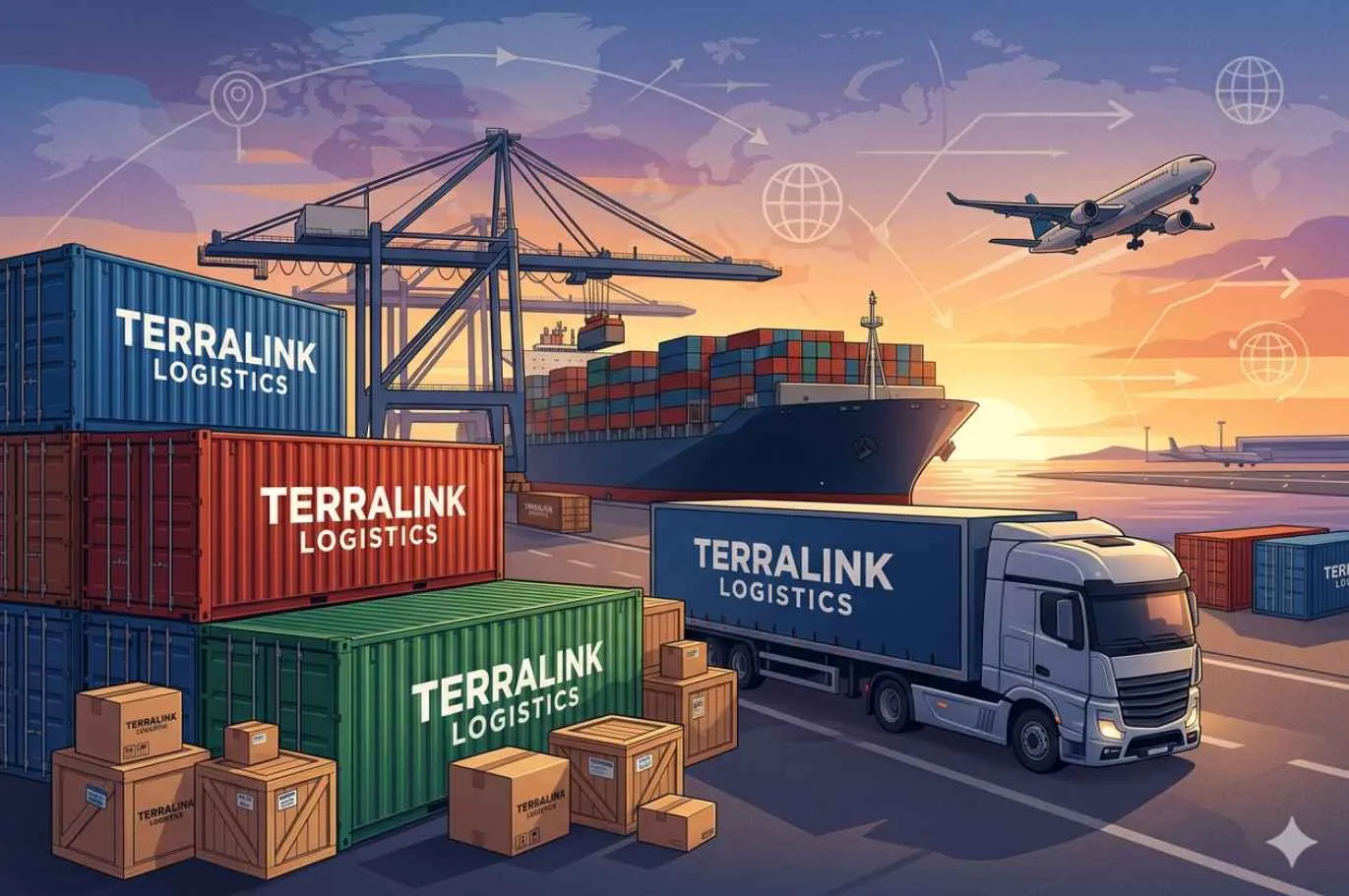

Modern supply chains face unprecedented challenges. Businesses constantly seek ways to reduce transportation costs while maintaining reliable delivery schedules in a volatile global market. Understanding the mechanics of intermodal freight and drayage is essential for achieving these operational goals. Whether you manage a multinational corporation or a growing regional enterprise, mastering these logistics components can transform your bottom line and improve customer satisfaction.
1. Understanding Drayage Shipping Services in Intermodal Logistics
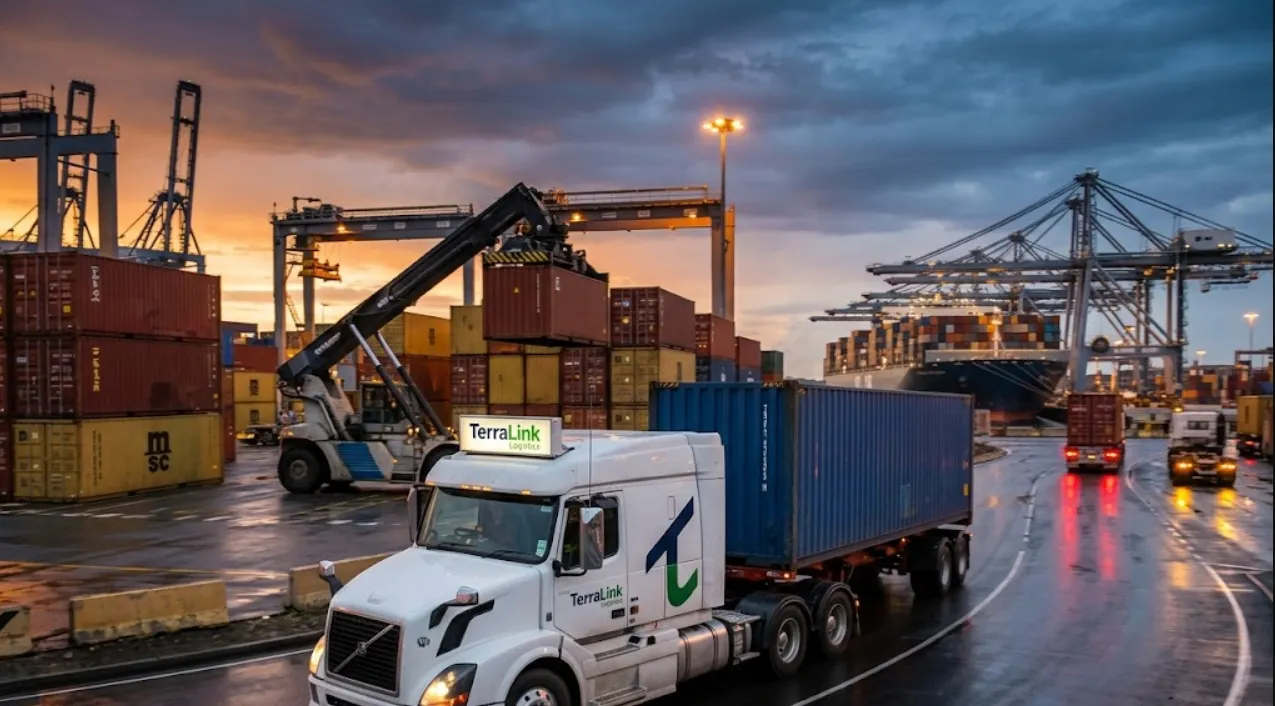
At its core, drayage is the movement of freight over a short distance during a larger transportation journey. It often serves as the critical first or last leg of a container's multi-modal transit. When cargo arrives at a maritime port or a rail ramp, reliable drayage shipping services ensure that goods move swiftly to a local warehouse, distribution center, or intermodal yard. Without efficient drayage, ports quickly become congested, and supply chains grind to a halt.
To manage this sector effectively, logistics professionals categorize drayage into distinct operational types:
- Pier Drayage: Transporting an import or export container between a steamship line pier and an intermodal rail ramp or warehouse.
- Intermodal Drayage: Moving a container from a rail yard to a nearby destination, often as part of a longer cross-country rail and truck journey.
- Door-to-Door Drayage: Transporting freight directly from the shipper to the consignee using a localized drayage carrier.
- Expedited Drayage: Handling time-sensitive shipments that require priority dispatch and immediate transport to meet strict deadlines.
Analyzing transit times, chassis availability, and port congestion patterns allows supply chain managers to select the right drayage provider. Choosing a partner with a strong local footprint minimizes costly demurrage and detention fees at busy terminals.
2. Maximizing Efficiency with LTL Drayage Shipping Services
Not every shipment fills an entire 53-foot dry van or a 40-foot ocean container. For businesses moving smaller volumes of goods, traditional full-container solutions are financially inefficient. This is where specialized ltl drayage shipping services offer a practical alternative. Instead of paying for dedicated container space, companies can share space within a consolidated shipment, paying only for the portion of the vehicle their cargo occupies.
Integrating LTL solutions into your drayage strategy yields several distinct advantages:
- Cost Reduction: Smaller businesses can access reliable port and rail drayage without the high cost of booking entire containers.
- Inventory Flexibility: Companies can ship smaller batches more frequently, reducing warehouse holding costs and improving cash flow.
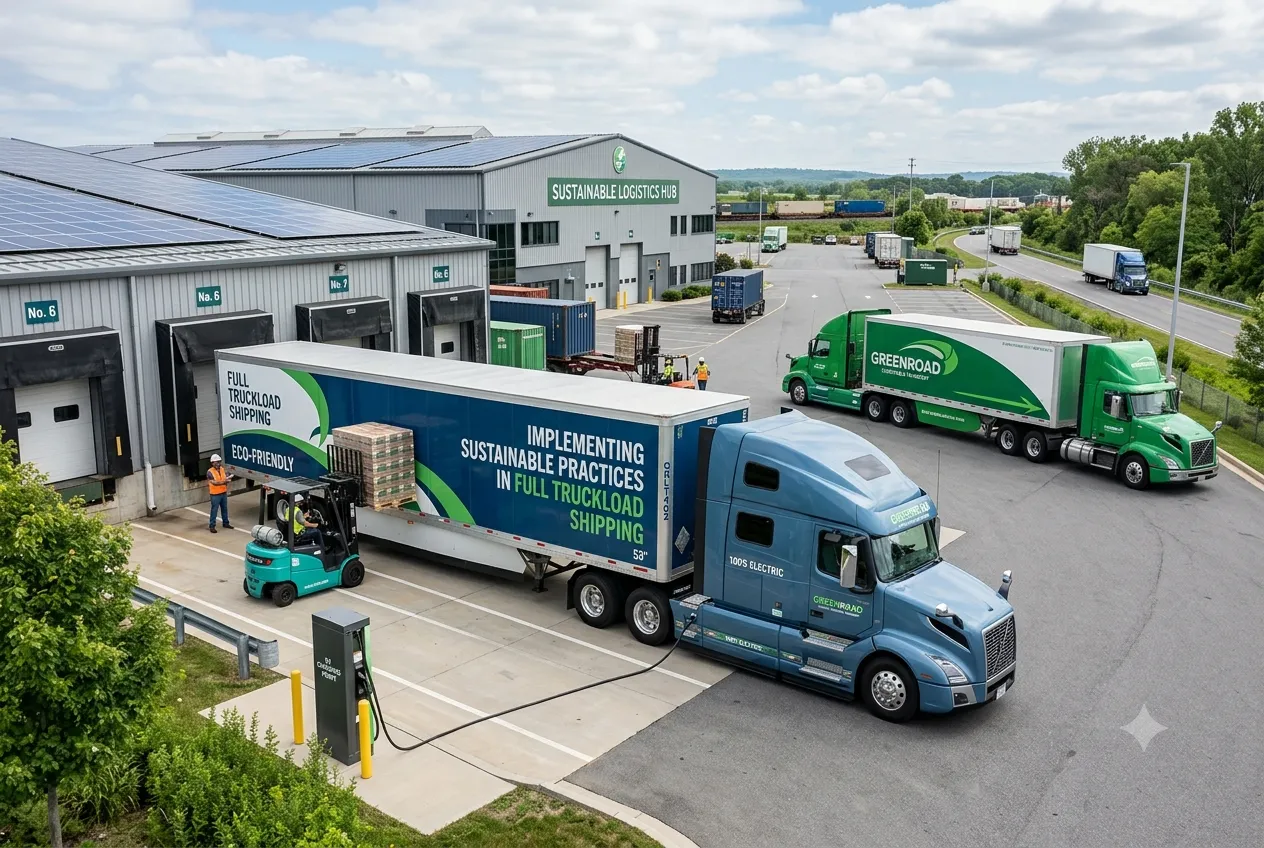
- Reduced Carbon Footprint: Consolidating multiple shipments into fewer vehicles lowers overall fuel consumption and emissions per unit transported.
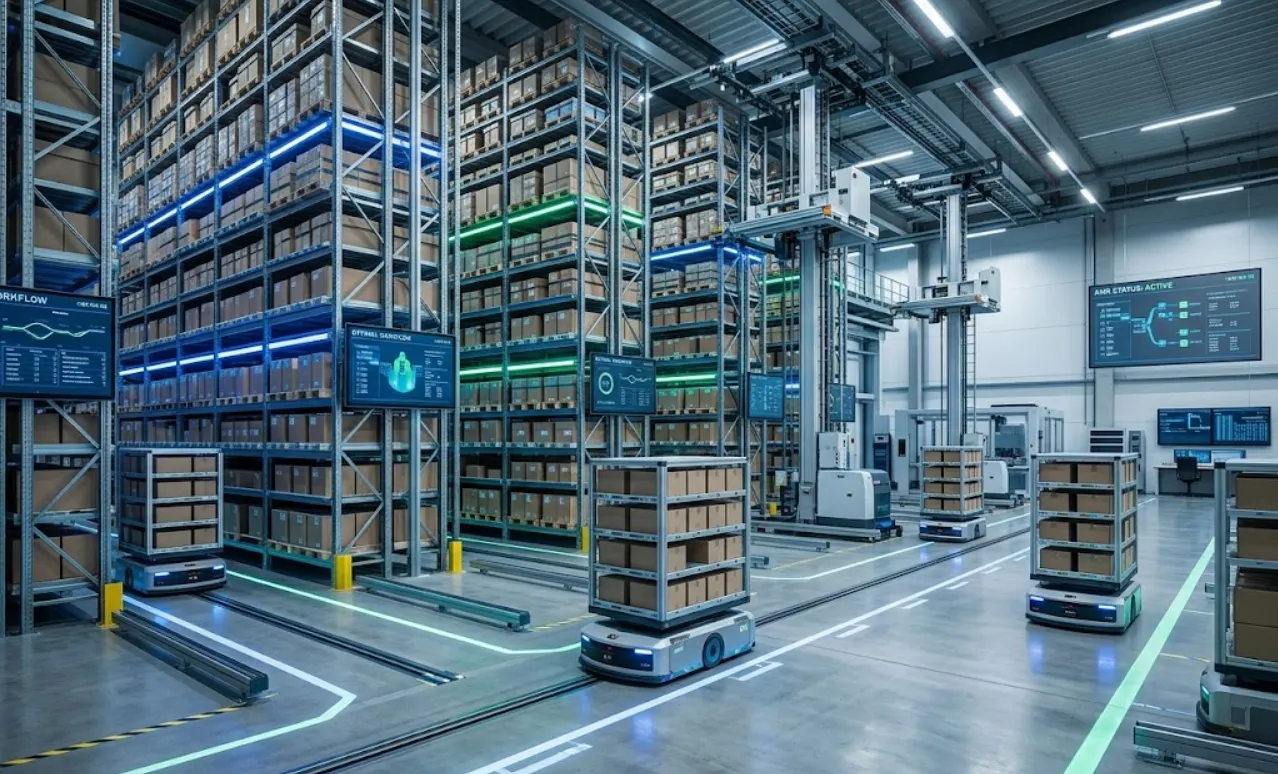
However, LTL drayage requires meticulous planning. Because multiple shippers share the same container or truck, coordination at consolidation hubs must be precise to prevent misrouting or delivery delays. Working with a provider that utilizes advanced warehouse management systems ensures seamless tracking from the port dock to the final destination.
3. The Strategic Role of Freight Forwarding Services
Moving freight across complex international borders and domestic networks requires specialized expertise. This is where comprehensive freight forwarding services become indispensable to a modern logistics framework. A qualified freight forwarder acts as an architect for transportation, coordinating multiple carriers, handling intricate customs documentation, and securing capacity across ocean liners, cargo trains, and over-the-road trucks.
Rather than managing dozens of individual carrier relationships, businesses leverage freight forwarders to centralize their shipping operations. Key benefits include:
- Global Network Access: Forwarders maintain established relationships with international agents, steamship lines, and rail operators, providing better routing options and competitive rates.
- Regulatory Compliance: Navigating international trade laws, tariffs, and customs clearances requires expert knowledge to avoid expensive border delays and compliance penalties.
- Risk Mitigation: Experienced forwarders offer valuable guidance on cargo insurance, secure packaging, and contingency planning when disruptions occur due to weather or labor strikes.
When combined with localized drayage capabilities, freight forwarding creates a unified end-to-end supply chain. This integration eliminates communication gaps between ocean carriers, rail yards, and final-mile delivery teams.
4. Best Practices for Optimizing Your Shipping Strategy
Achieving peak performance in intermodal freight and drayage requires a proactive, data-driven approach. Implementing industry best practices protects your profit margins and enhances service reliability.
First, invest in technology integration. Modern Transportation Management Systems (TMS) provide real-time visibility into container locations, estimated arrival times, and potential bottlenecks. Visibility allows logistics teams to pivot quickly when a vessel is delayed or a rail ramp experiences congestion.
Second, foster strong relationships with your carrier partners. In periods of tight capacity, preferred shippers receive priority equipment allocation and better rate structures. Establishing long-term service agreements ensures stability even during peak shipping seasons.
Finally, conduct regular audits of your shipping data. Analyze key performance indicators such as transit times, cost per mile, accessorial fees, and damage rates. Identifying recurring patterns in your logistics spend highlights areas for continuous improvement.
Conclusion
Mastering intermodal freight, drayage, and global forwarding is no longer optional for businesses striving to maintain a competitive edge. By leveraging efficient drayage shipping services, utilizing flexible ltl drayage shipping services for smaller loads, and partnering with experienced providers of freight forwarding services, organizations can build resilient and cost-effective supply chains.





























Sign in to leave a comment.