

Reaching for an old paperback and finding tiny holes chewed through the cover, or catching a quick, silvery flicker of movement near the bathtub, is a familiar frustration for many homeowners. Silverfish aren't dangerous, but their quiet, persistent presence often points to hidden moisture issues and can lead to real damage over time. The encouraging news is that lasting silverfish control is well within reach once you understand what draws them in and how to make your home far less hospitable.
This guide breaks down everything from early warning signs to the most effective silverfish control techniques, covering both immediate fixes and long-term prevention, so you can address the problem at its root rather than just chasing individual insects around the house.
Getting to Know Silverfish
Silverfish are small, wingless insects known for their tapered, silvery-gray bodies and quick, side-to-side movement. They're strictly nocturnal, spending daylight hours tucked into cracks, behind baseboards, or inside stacks of paper, which often means an infestation can grow for weeks before anyone notices.
Their diet centers on starchy, cellulose-rich materials, including:
- Book bindings, glue, and old wallpaper
- Cardboard boxes and stored documents
- Natural fibers like cotton and linen
- Cereal, flour, and other dry pantry staples
Because moisture supports both their survival and their food sources, silverfish gravitate toward humid, poorly ventilated spaces throughout the home.
Where Silverfish Typically Hide
Understanding their preferred hiding spots makes silverfish control far more targeted and effective:
- Bathrooms, where steam and condensation create ideal humidity
- Basements, often damp and cluttered with stored boxes
- Attics, particularly those with poor airflow
- Closets and bookshelves, especially ones packed with paper or fabric
Recognizing an Active Silverfish Problem
Confirming the scope of an infestation early makes silverfish control much more manageable. Watch for:
- Small, irregular holes chewed into paper, wallpaper, or cardboard
- Fine, pepper-like droppings scattered near baseboards or shelves
- Papery, translucent shed skins left behind as silverfish mature
- Quick, darting movement when boxes or bathroom items are disturbed
If multiple signs show up at once, it's a clear cue to prioritize silverfish control before the population spreads to additional rooms.
Practical Silverfish Control Methods
1. Tackle Moisture at the Source
Since humidity is the biggest driver behind silverfish activity, reducing it delivers the most lasting results. Run a dehumidifier in basements and bathrooms, repair dripping pipes promptly, and improve airflow with fans or vents wherever moisture tends to linger.
2. Close Off Access Points
Silverfish squeeze through remarkably narrow gaps. Inspect baseboards, pipe openings, and window frames for cracks, then seal them using caulk to cut off easy pathways between rooms and from the outdoors.
3. Clear Out Clutter
Stacks of old newspapers, unused cardboard boxes, and forgotten paperwork give silverfish both food and shelter in one place. Swapping cardboard storage for sealed plastic bins and regularly sorting through stored paper significantly limits their options.
4. Apply Diatomaceous Earth
Diatomaceous earth, a natural powder made from fossilized algae, works by damaging the outer layer of silverfish on contact, causing them to dehydrate. Dust it lightly along baseboards, inside closets, and near suspected entry points for a low-toxicity control option.
5. Set Out Targeted Traps
A few simple trap styles can help monitor and reduce numbers:
- Adhesive traps positioned along walls and inside cabinets
- DIY jar traps, wrapped in tape on the outside with a starchy bait inside, which silverfish can enter but struggle to climb out of
- Commercial silverfish traps, widely sold at hardware and home stores
6. Turn to Insecticide for Larger Infestations
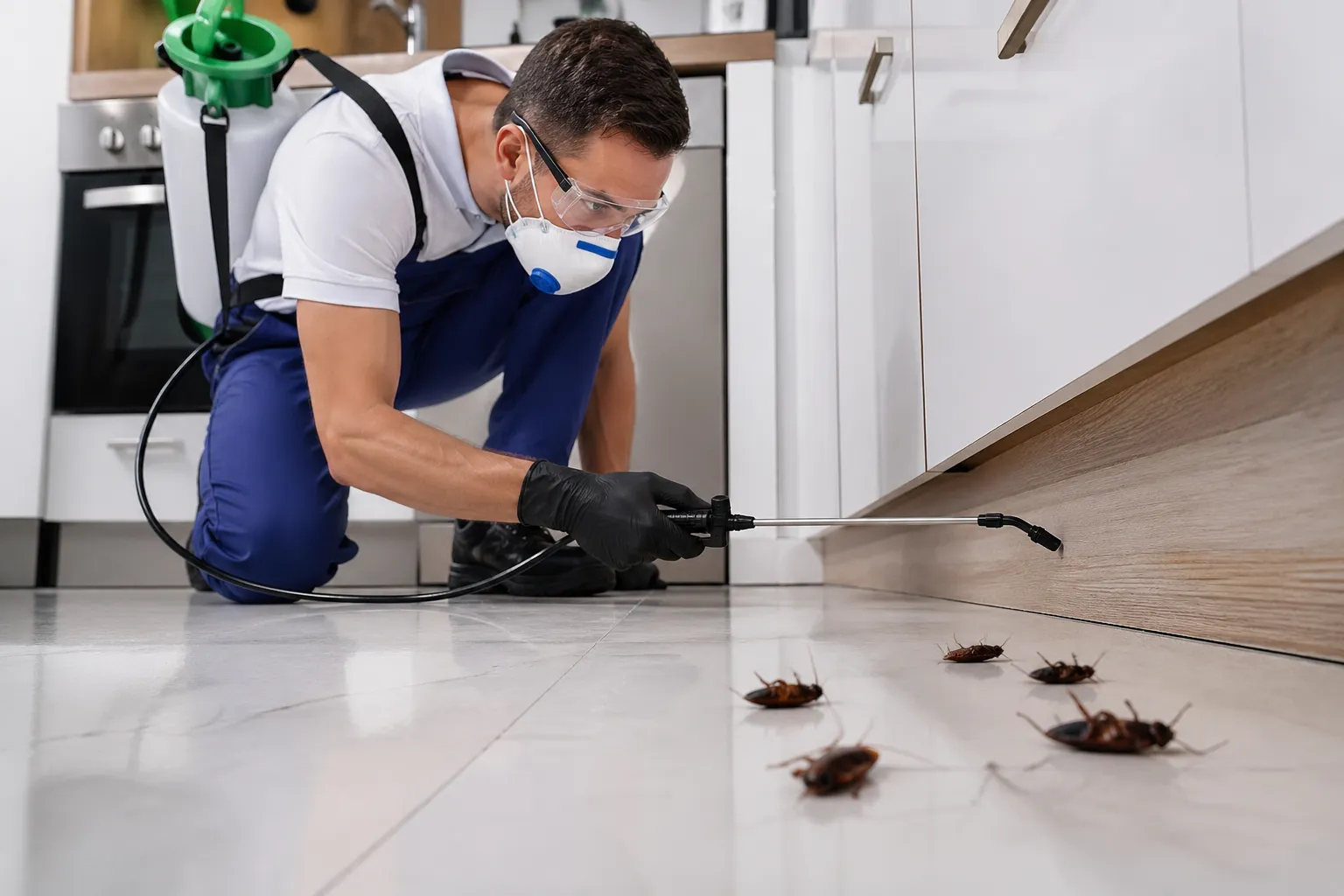
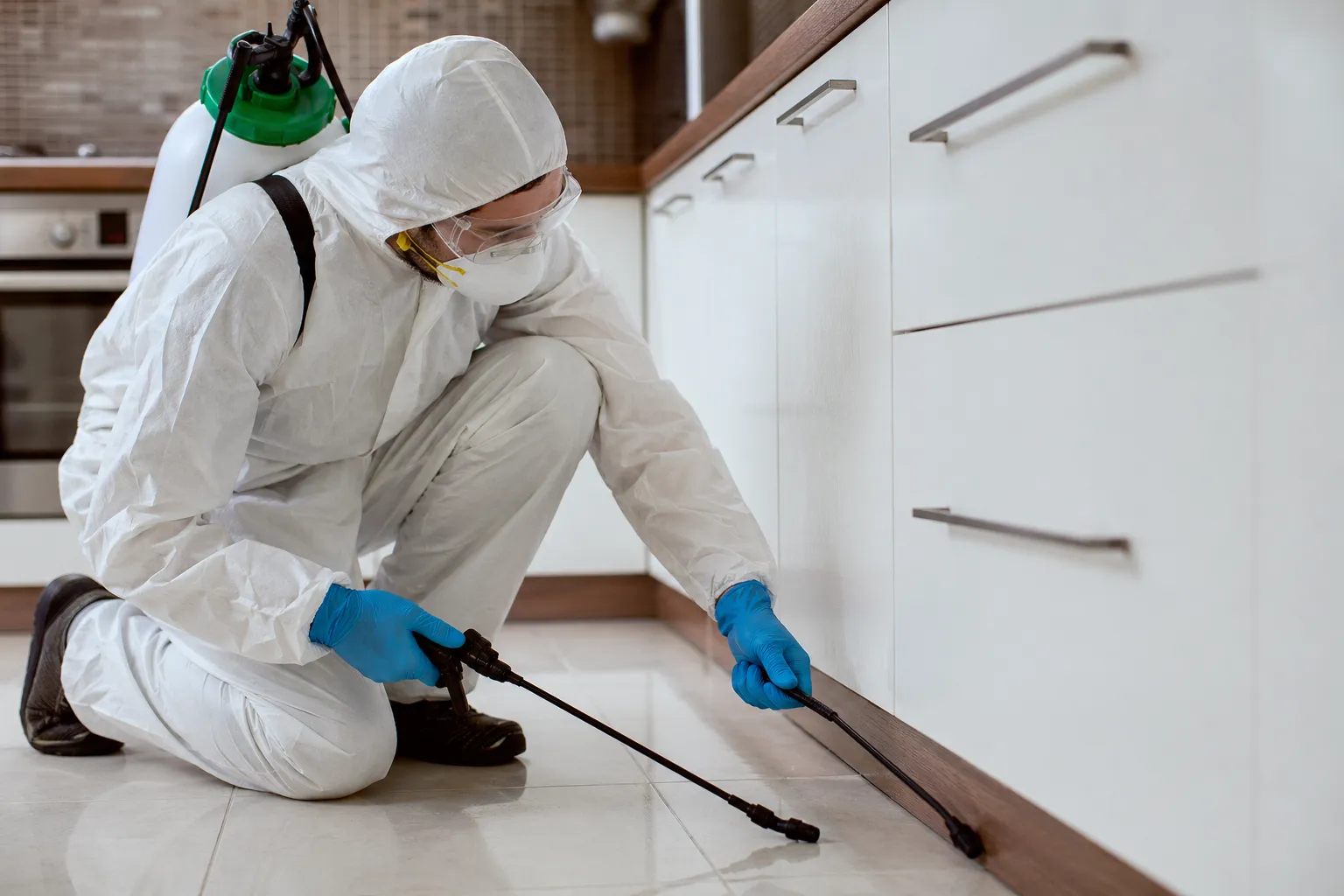
When natural methods aren't enough, a residential insecticide formulated for silverfish can be applied to cracks, corners, and baseboards. Read product labels carefully and take extra precautions in homes with young children or pets.
Room-Specific Silverfish Control Tips
Bathroom Strategies
Running the exhaust fan during and after showers, drying surfaces promptly, and repairing any slow leaks all reduce the humid conditions silverfish rely on.
Basement and Attic Strategies
Since these spaces often trap both moisture and clutter, using a dehumidifier alongside sealed storage containers addresses both contributing factors at once.
Protecting Books and Documents
Storing important papers and books in airtight bins, particularly in humid climates, protects them from both moisture damage and silverfish feeding.
Mistakes That Slow Down Silverfish Control
Watch for these common missteps that can undercut an otherwise solid plan:
- Treating symptoms instead of moisture. Killing visible silverfish without lowering humidity means new ones will keep appearing.
- Letting paper clutter accumulate for years. Forgotten boxes are often where populations quietly establish themselves.
- Overlooking minor cracks. Small gaps are all silverfish need to move between rooms undetected.
- Focusing on a single room. Since these pests travel freely, a whole-home approach works far better than isolated treatment.
- Skipping routine vacuuming. Eggs and debris can build up in corners if cleaning is inconsistent.
Why Early Silverfish Control Pays Off
Addressing the problem promptly offers several clear benefits:
- Fewer damaged belongings, including books, documents, and stored fabrics
- A more pleasant home environment, without unexpected encounters in the bathroom or basement
- Lower overall costs, since prevention is far cheaper than replacing damaged items
- Better air quality, as reducing humidity often curbs mold growth alongside silverfish activity
Knowing When to Bring in a Professional
If consistent effort hasn't resolved the problem, a licensed pest control specialist may be the next step. This is worth considering when:
- Moisture sources are difficult to identify or control on your own
- Silverfish have spread across multiple rooms or damaged valuable items
- Activity continues despite thorough sealing and humidity control
A professional can perform a detailed inspection, pinpoint hidden moisture problems, and apply treatments tailored to your specific situation.
Frequently Asked Questions About Silverfish Control
Do silverfish pose any health risks? No. They don't bite or spread disease, though their feeding habits can damage paper goods, fabrics, and stored food items over time.
What conditions attract silverfish most? High humidity combined with access to starchy materials like paper and glue creates the ideal environment, making moisture control a top priority.
Does seeing silverfish mean I have a mold problem too? Not automatically, but since both thrive in similar damp conditions, it's worth inspecting the same areas for mold or mildew while addressing silverfish.
How long does silverfish control typically take? Most homeowners see noticeable improvement within two to three weeks of consistent effort, though humid climates may require ongoing moisture management for lasting results.
Are natural silverfish control methods safe for households with pets? Yes, options like diatomaceous earth and dehumidifiers are low-risk and chemical-free, making them a sensible starting point before considering stronger treatments.
Final Thoughts on Silverfish Control
Getting rid of silverfish for good comes down to addressing moisture, decluttering paper-heavy storage areas, and applying targeted treatments where needed. A single cleaning session or one round of traps rarely solves the issue permanently, but a steady, combined approach almost always does. Small, consistent changes make a real difference over time.
If silverfish continue showing up despite your best efforts, a local pest control expert can help identify what's being missed and offer a plan suited to your home. Start today by checking your bathroom for excess moisture or sorting through a cluttered closet, and you'll be well on your way to a silverfish-free space.




























Sign in to leave a comment.