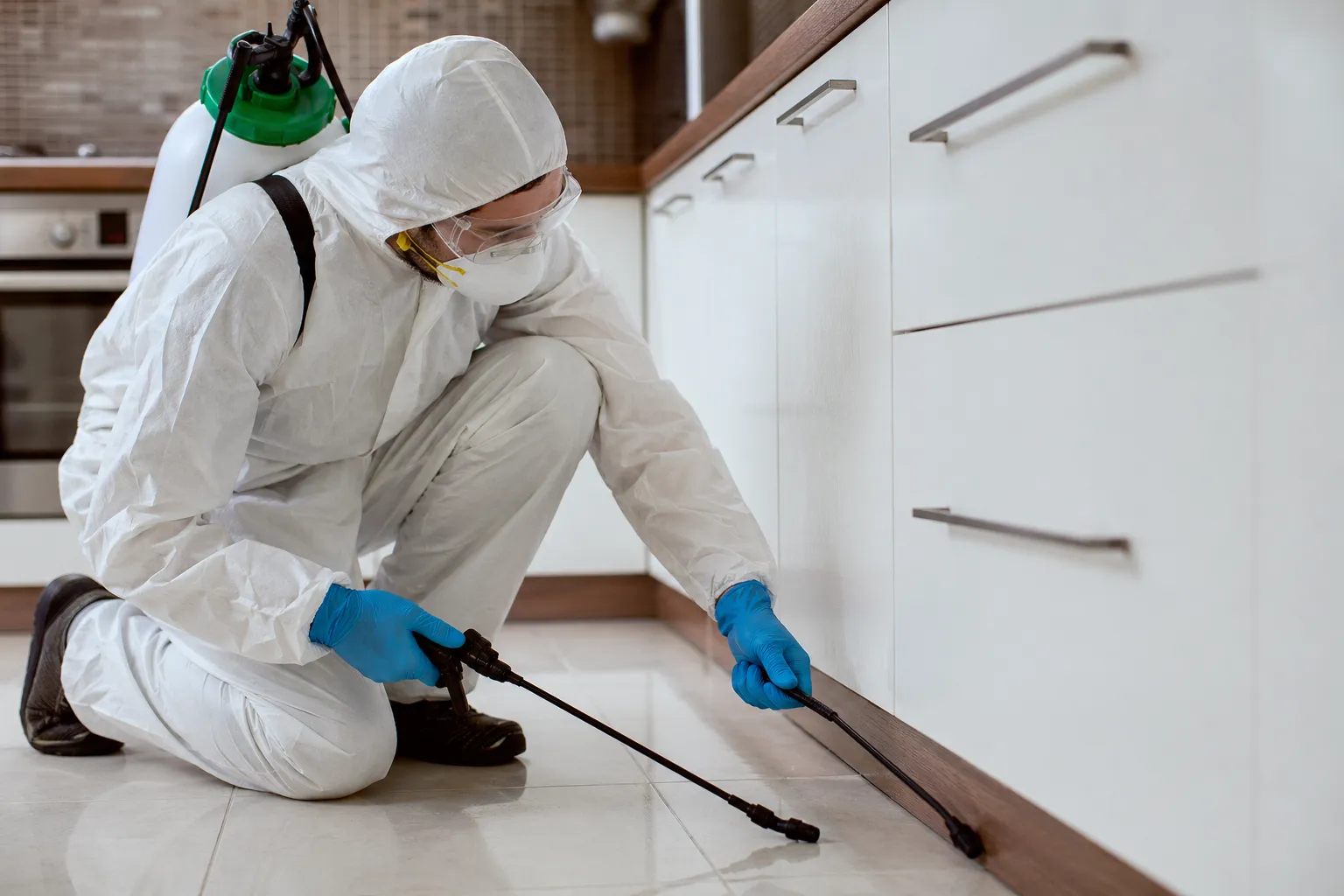

Dealing with ants inside a home is one of the most common frustrations for homeowners in Quebec, Canada because these tiny pests enter buildings quickly and spread fast once they find food or moisture. Many families try different home remedies but most do not provide long-term results because ants build strong colonies and return through small cracks. Understanding how ants control works makes it easier to remove them completely and prevent future infestations. By using proper inspection, treatment, prevention methods and professional support when required, homeowners can enjoy a clean and comfortable environment again without constant ant activity.
Common Types of Ants Found in Homes
There are several ant species that commonly appear inside houses in Quebec, Canada and each species behaves differently. Carpenter ants are usually the most concerning because they prefer moist or decaying wood and build nests inside walls which can cause structural damage if ignored for long periods. Pavement ants are smaller and mostly gather around food sources on floors, countertops and kitchens. Odorous house ants are easy to identify because they leave an unpleasant smell when crushed and usually travel in long trails. Knowing which species is active inside the property is an important step in effective ants control because treatments vary depending on how the colony behaves.
Why Ant Infestations Happen
Ants enter homes for simple reasons and eliminating these causes helps prevent recurring infestations. One major reason is food access such as crumbs, spills, pet food or open containers that attract ant scouts. Ants follow scent trails, so once one worker finds a food source, hundreds more will follow. Another cause is moisture because ants prefer damp areas like bathrooms, basements, kitchens and laundry rooms. Small entry points in windows, doors, foundation cracks or gaps around pipes give ants a clear path indoors. When homeowners understand these triggers, they can take control of small problems before they become major issues.
Best Ants Control Methods for Homes
Successful ants control requires a combination of inspection, targeted treatment and long-term prevention. The first step is a complete inspection of the property including kitchens, basements, crawl spaces, exterior walls and foundation areas. This inspection helps locate nest sites, entry points and trails. Gel baits are one of the most effective solutions because ants carry the bait back to the colony which helps eliminate the entire nest rather than only killing visible ants. Outdoor perimeter treatment is also important especially around foundation walls, patios, driveways and garden borders because many ant colonies start outside and expand toward the building. Sealing cracks and fixing gaps is another important step because ants can squeeze through very small openings. Combining these strategies leads to stronger results and long-lasting relief from ant problems.
Natural and DIY Options
Many homeowners look for natural solutions for minor ant activity and some options can help when used correctly. Vinegar wipes reduce scent trails and make it difficult for ants to follow one another. Lemon juice and essential oils like peppermint and tea tree oil can repel ants temporarily. Boiling water may eliminate small colonies outdoors if they are visible. However, these methods rarely affect large or hidden colonies and should not replace professional treatments. They work best as supportive steps along with more reliable products such as baits and perimeter sprays.
Professional Ants Control Services
Sometimes ant infestations become too severe, especially when carpenter ants are present, and that is when professional technicians are necessary. Experts use advanced tools, high-quality bait systems and targeted treatments that reach deeper into colony nests. Professional services also include moisture detection, wall void treatment and preventive barriers around the home. This level of support is useful for homes in Quebec, Canada because the region experiences seasonal weather changes and ants move indoors during warm and humid periods. A complete professional service ensures colonies are eliminated instead of only removing the visible ants seen in common areas.
Prevention Tips for Long-Term Ant Control
Prevention plays a major role in keeping the home ant-free after treatment. Proper food storage is essential, so homeowners should use sealed containers, clean crumbs immediately and avoid leaving pet food uncovered. Regular cleaning of countertops, floors and dining areas also helps reduce attractants. Moisture control is equally important, so repairing leaks, improving ventilation in bathrooms and keeping basements dry are necessary steps. Outdoor maintenance also helps because trimming vegetation, reducing mulch depth and keeping firewood away from the foundation reduce opportunities for ants to travel indoors. With consistent preventive habits, families can enjoy long-term results from any ants control strategy.
Seasonal Ant Activity in Quebec, Canada
Homes in Quebec, Canada experience heavy ant activity during spring and summer because this is when colonies become active after winter. Warmer temperatures encourage ants to search for food aggressively, which leads them into residential properties. During winter, ants may move deeper into wall voids or insulated areas, making them harder to detect. Understanding these seasonal patterns helps homeowners prepare and take action early to prevent large infestations. Early spring inspections and exterior treatments are extremely useful because they stop ants before they multiply inside living spaces.
When to Call Professional Help
There are clear signs that indicate when homeowners should contact experienced technicians instead of relying on DIY solutions. Seeing large numbers of ants during daytime often suggests a major colony is nearby. Finding sawdust-like material, especially around windows or baseboards, may indicate carpenter ants. Hearing subtle tapping noises inside walls or seeing ants around wooden structures is another warning sign. If ants keep returning even after cleaning and using home remedies, the colony is likely too large to handle without expert intervention. A timely call to professionals ensures the problem does not grow worse or cause damage that becomes expensive to repair.
Conclusion
Ant infestations can be stressful, but with proper inspection, effective treatment and continuous prevention, homeowners in My Pest Exterminator can maintain a comfortable and pest-free living environment. By recognizing early signs, addressing food and moisture issues and using the right products, the results become more reliable. For severe or recurring problems, professional help always provides the most effective solution. One trusted name offering reliable services for homeowners is My Pest Exterminator, known for providing long-term solutions that help families enjoy a cleaner and safer home.
FAQs
1. What attracts ants into homes?
Ants usually enter homes in search of food sources such as crumbs, spills, sugary items and pet food. They also seek moisture, making kitchens, basements and bathrooms ideal locations for activity.
2. Are carpenter ants dangerous to a home?
Carpenter ants do not eat wood, but they tunnel through it to build nests. Over time, this can weaken wooden structures and lead to costly repairs if ignored.
3. Do natural remedies completely eliminate ants?
Natural remedies may help reduce trails or repel ants temporarily, but they rarely remove the entire colony. Long-term ants control generally requires baits and professional treatment.
4. How long does it take to get rid of an ant infestation?
The timeline depends on the species and colony size. Small infestations may resolve in a few days using proper baits, while larger or hidden colonies may take several weeks.
5. Why do ants return after cleaning?
If the main colony is still active or entry points remain open, ants can continue entering even after cleaning. Eliminating the nest and sealing gaps helps prevent their return.






















Sign in to leave a comment.