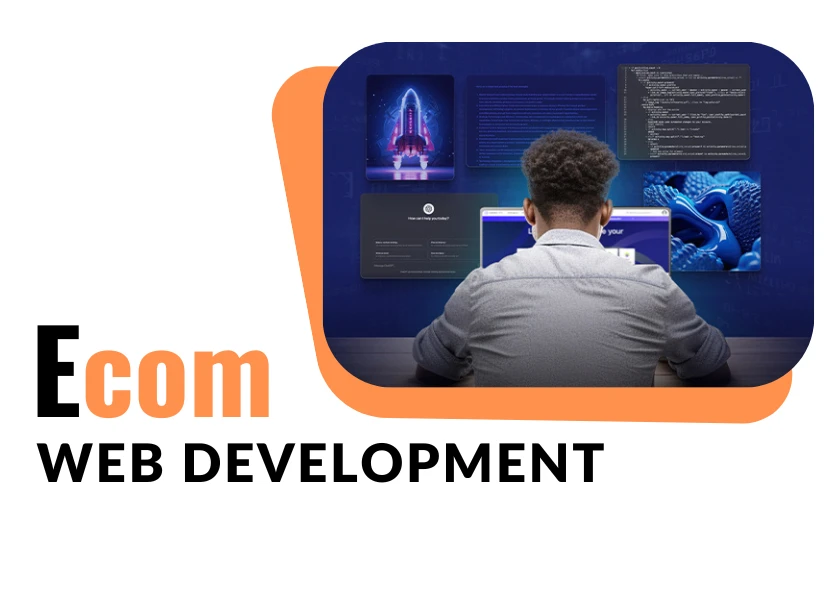

The e-commerce industry is evolving rapidly, driven by technological advancements, changing consumer behaviors, and increasing expectations for seamless digital experiences. As businesses race to stay competitive, web development has become a crucial pillar in the success of e-commerce platforms. From AI-driven product recommendations to voice-based shopping, innovations in web development are reshaping how consumers interact with online stores and how businesses manage their e-commerce operations.
In this blog, we’ll explore the key innovations in web development that are transforming e-commerce and how companies, including those working with a web development company in India, are leveraging these advancements to create exceptional online shopping experiences.
1. Progressive Web Apps (PWAs): Bridging the Gap Between Mobile and Desktop
Mobile commerce has been on the rise for several years, with a significant portion of e-commerce traffic now coming from smartphones. However, mobile users often face challenges such as slow-loading pages, interruptions due to poor internet connections, and the need to download apps. This is where Progressive Web Apps (PWAs) come in.
PWAs combine the best of both web and mobile applications. They offer fast load times, offline functionality, push notifications, and a seamless user experience. Unlike traditional apps, PWAs don’t require installation from an app store, reducing friction and improving conversion rates. By enabling e-commerce businesses to deliver a consistent, engaging experience across devices, PWAs are set to become a key innovation in the e-commerce space.
Many web development companies in India are already adopting PWA technology, helping e-commerce businesses improve their user engagement and reduce abandonment rates.
2. AI-Powered Personalization: Hyper-Personalized Shopping Experiences
Consumers today expect personalized shopping experiences tailored to their preferences, browsing history, and buying behavior. Artificial Intelligence (AI) is playing a pivotal role in making this possible. AI algorithms are capable of analyzing vast amounts of data in real-time to deliver personalized product recommendations, targeted discounts, and dynamic pricing models.
For example, e-commerce platforms are using AI to predict customer preferences based on past interactions, thus enhancing the likelihood of a purchase. Additionally, chatbots powered by AI are streamlining customer service, providing instant assistance and improving the overall shopping experience.
As a web development company in India builds smarter e-commerce solutions, integrating AI-powered features can significantly boost conversion rates and customer satisfaction. AI not only personalizes the shopping journey but also helps businesses optimize inventory and predict future sales trends.
3. Augmented Reality (AR): Changing the Way Customers Shop
One of the most exciting advancements in e-commerce web development is the integration of Augmented Reality (AR). AR allows consumers to interact with products in real-time, providing a virtual try-before-you-buy experience. For instance, furniture stores are integrating AR features into their websites, allowing customers to visualize how a piece of furniture would look in their home environment before making a purchase.
Fashion retailers are also leveraging AR to enable customers to try on clothes virtually, eliminating the uncertainty of online shopping. This immersive technology helps bridge the gap between the physical and digital shopping experiences, leading to increased customer confidence and higher conversion rates.
As AR technology becomes more accessible, e-commerce websites are expected to incorporate these features to enhance the customer journey. Web development companies in India are already working on integrating AR into websites, helping businesses offer unique and engaging online shopping experiences.
4. Voice Commerce: The Future of Shopping with Voice Assistants
Voice technology is rapidly becoming a staple in the e-commerce ecosystem. Voice commerce, or v-commerce, refers to shopping through voice commands using virtual assistants like Amazon Alexa, Google Assistant, and Apple Siri. This emerging trend is reshaping how consumers interact with e-commerce platforms, offering a hands-free, seamless shopping experience.
Voice search allows users to find products quickly by simply speaking commands, which is especially beneficial for on-the-go shopping. In fact, according to some studies, a growing percentage of consumers are already using voice assistants to make purchases or find product recommendations.
Web developers are increasingly integrating voice search optimization into e-commerce websites to enhance the shopping experience. This integration ensures that businesses can tap into a growing consumer base that prefers to shop through voice commands.
5. One-Click Checkout and Digital Wallets: Simplifying Payments
Another significant trend in e-commerce web development is the simplification of the checkout process. One-click checkout systems, which allow customers to complete a purchase with a single click, have become a game-changer for reducing cart abandonment rates. This feature is made possible by securely storing user payment information, making it easier for repeat customers to complete transactions quickly.
Additionally, digital wallets like PayPal, Apple Pay, and Google Pay are becoming more widely accepted on e-commerce websites. These wallets offer secure, quick, and easy payment solutions, further improving the convenience of online shopping.
By implementing one-click checkout and integrating digital wallets, e-commerce businesses can increase conversions and enhance the customer experience, making it easier for consumers to buy what they need, when they need it.
6. Blockchain Technology: Enhancing Security and Transparency
Blockchain technology is gaining traction in the e-commerce industry as a way to enhance security and transparency in online transactions. Blockchain ensures secure payments, reduces the risk of fraud, and provides a transparent supply chain for both customers and businesses.
For example, blockchain can help verify the authenticity of luxury goods, ensuring that customers are getting the real deal rather than counterfeit products. It can also enhance payment security, reducing the risk of data breaches and chargebacks.
E-commerce businesses are beginning to explore how blockchain can be integrated into their platforms, providing customers with greater trust and confidence when making purchases.
Conclusion: The Future of E-Commerce is Driven by Web Development Innovations
As e-commerce continues to grow and evolve, staying ahead of technological trends is essential for businesses that want to maintain a competitive edge. From Progressive Web Apps and AI-powered personalization to AR, voice commerce, and blockchain technology, the future of online shopping is full of exciting possibilities.
Partnering with a web development company in India can help e-commerce businesses navigate these changes and implement innovative solutions that enhance the user experience, boost sales, and foster customer loyalty. By leveraging cutting-edge web development technologies, businesses can create personalized, immersive, and secure shopping experiences that meet the expectations of today’s digital-savvy consumers.
With these innovations in mind, e-commerce companies should be ready to adapt, innovate, and lead the way in providing seamless and engaging shopping experiences for their customers.































Sign in to leave a comment.