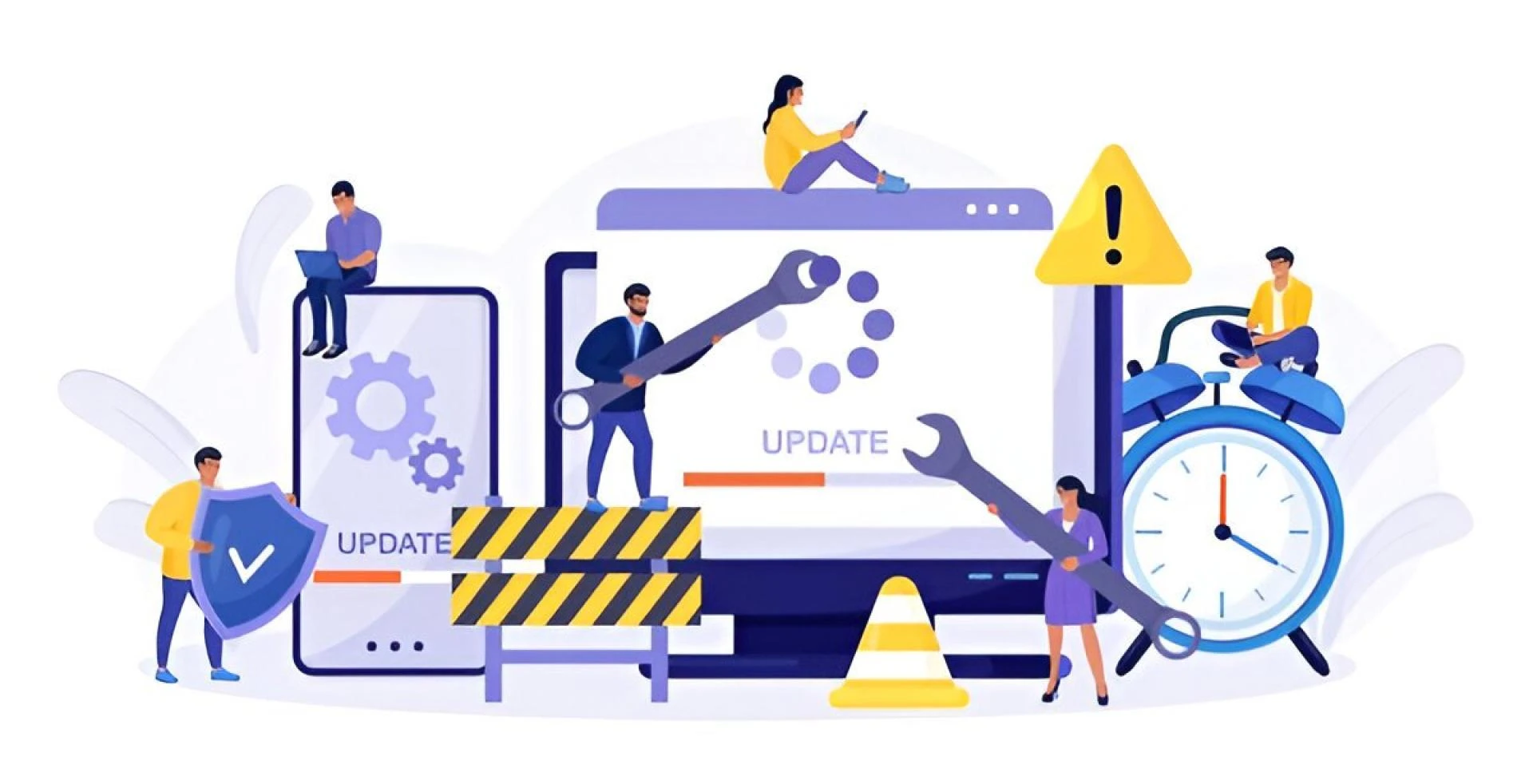

In the fast-paced digital world, a website is never truly complete. New technologies emerge, user expectations evolve, and security threats become increasingly sophisticated. Without regular attention, even the most well-designed websites can become sluggish, outdated, or vulnerable. Website maintenance is the mechanism that ensures updates are applied seamlessly, keeping platforms secure, functional, and relevant.
Preventing Disruptions During Updates
One of the primary roles of website maintenance is to prevent disruptions when implementing updates. Whether it’s a new plugin, a CMS upgrade, or a design refresh, changes can introduce errors or conflicts. Maintenance involves pre-update audits, testing environments, and careful version control. By anticipating potential issues, businesses can deploy updates without interrupting user experience or jeopardizing functionality. This proactive approach reduces downtime and maintains operational continuity.
Maintaining Compatibility Across Systems
Websites rely on multiple layers of software, including servers, content management systems, plugins, and third-party integrations. Over time, these components may evolve independently, creating compatibility issues. Regular maintenance ensures that all elements remain synchronized. Developers monitor updates from software providers, test for conflicts, and apply necessary adjustments. This harmonization guarantees that new features or upgrades function seamlessly with existing systems, avoiding glitches that could frustrate users.
Enhancing Security During Updates
Updates often include critical security patches designed to address vulnerabilities. Without maintenance, these patches may be overlooked, leaving the website exposed to cyber threats. Routine monitoring and timely implementation of updates ensure that security enhancements are applied effectively. Backup systems and rollback procedures are also maintained, so if an update introduces unexpected issues, the site can quickly revert to a stable state. This layered approach safeguards data and preserves trust among users.
Streamlining Content and Design Changes
Website updates are not limited to technical aspects; content and design improvements are equally important. Maintenance ensures that new visuals, copy, or layouts are integrated smoothly without breaking the site’s structure or performance. Content management systems are regularly optimized, themes are updated, and media files are organized to facilitate seamless implementation. This meticulous attention allows businesses to refresh their online presence efficiently while maintaining a cohesive user experience.
Monitoring Performance Metrics
Before and after updates, website maintenance involves monitoring performance metrics to ensure the site operates at peak efficiency. Load times, responsiveness, and user interactions are tracked to detect anomalies. If an update affects performance, corrective measures are applied immediately. This ongoing analysis ensures that each update not only functions correctly but also enhances the overall quality of the website.
Enabling Continuous Improvement
Regular maintenance fosters a culture of continuous improvement. By keeping the website infrastructure current and functional, businesses can implement iterative updates that enhance usability, aesthetics, and functionality. This agile approach allows for small, manageable changes rather than infrequent, disruptive overhauls. Over time, these incremental improvements compound, resulting in a robust and modern digital platform.
Supporting User Experience
Smooth updates are intrinsically linked to user experience. Interruptions, broken links, or design inconsistencies can frustrate visitors and drive them away. Maintenance ensures that updates enhance rather than hinder the user journey. Navigation remains intuitive, interactive elements function correctly, and content displays consistently across devices. By prioritizing seamless updates, businesses maintain engagement, satisfaction, and loyalty.
Reducing Long-Term Costs
Unplanned errors during updates can be costly, requiring emergency fixes, downtime, or even rebuilding portions of the site. Regular maintenance mitigates these risks by preparing the website for changes in advance. Scheduled updates, systematic testing, and backup protocols minimize unexpected expenses. Over time, this preventive approach proves far more economical than addressing avoidable issues after they occur.
Conclusion
Website maintenance is the backbone of smooth, effective updates. By preventing disruptions, maintaining compatibility, enhancing security, and monitoring performance, maintenance ensures that every change strengthens the site rather than compromising it. Regular attention allows businesses to adapt to evolving technologies, refine content, and improve user experience without friction. In an era where digital presence defines credibility, consistent website maintenance is not just a technical necessity it is an investment in seamless growth and enduring online success.





























Sign in to leave a comment.