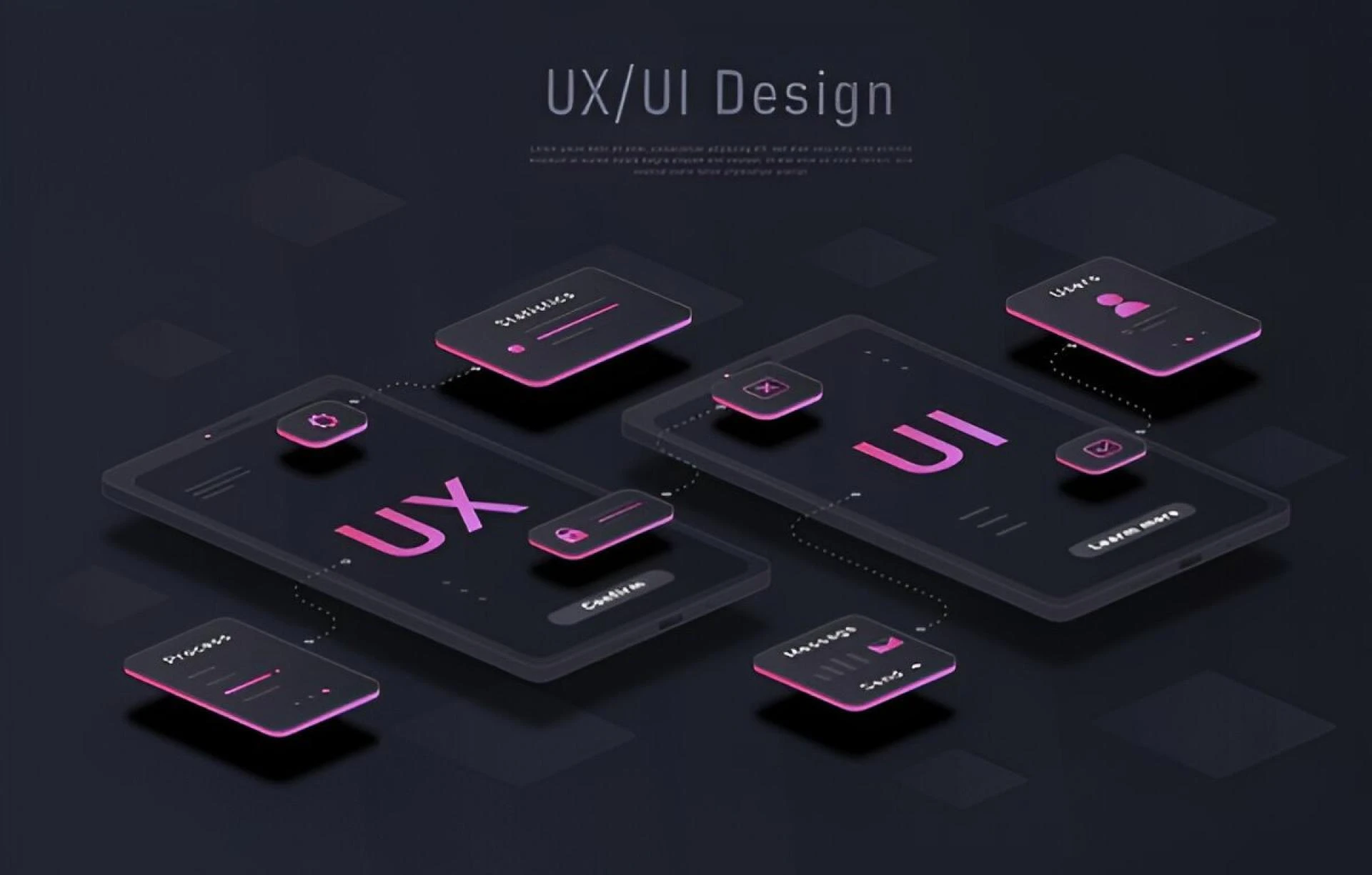

In the competitive digital landscape, a website’s success is often measured by its ability to convert visitors into customers. While content and marketing strategies are important, the design of the interface and the user experience play a pivotal role in influencing user behavior. Thoughtful UI UX design creates intuitive, engaging, and frictionless experiences that guide users naturally toward conversion points, making it a critical driver of business growth.
Creating First Impressions That Matter
Users form judgments about a website within seconds. Clean, visually coherent interfaces convey professionalism and trustworthiness, while cluttered or confusing designs can drive visitors away instantly. UI UX design focuses on aesthetics, layout, and visual hierarchy to ensure that users feel confident and engaged from the moment they arrive. A positive first impression sets the tone for the entire interaction, increasing the likelihood that users will stay, explore, and take action.
Streamlining Navigation
Confusing navigation is one of the main reasons visitors abandon a site. UX design emphasizes intuitive pathways, logical menus, and clear calls-to-action that reduce cognitive load. When users can effortlessly find the information they seek, they are more likely to move smoothly through the conversion funnel. By eliminating friction in navigation, websites keep users engaged, encouraging them to complete purchases, sign-ups, or other desired actions.
Enhancing Trust and Credibility
Trust is a cornerstone of conversions. UI UX design elements such as consistent branding, readable typography, secure payment indicators, and testimonial placements signal reliability and professionalism. Interactive feedback, like confirmation messages or progress indicators, reassures users that their actions are acknowledged. A well-designed interface builds credibility, which directly impacts users’ willingness to convert.
Optimizing for Mobile Users
Mobile browsing dominates internet traffic, making responsive design essential. UI UX design ensures that websites function seamlessly across devices, with touch-friendly elements, adaptive layouts, and fast-loading pages. Users frustrated by a poorly optimized mobile experience are unlikely to convert. By prioritizing mobile usability, businesses can capture a larger segment of their audience, turning mobile visits into measurable conversions.
Leveraging Visual Hierarchy and Calls-to-Action
The placement and prominence of elements on a page significantly influence user decisions. UX designers use visual hierarchy to draw attention to key messages, offers, and calls-to-action. Strategic positioning, combined with contrasting colors and compelling microcopy, guides users toward desired behaviors without feeling intrusive. Effective UI UX design transforms passive browsing into deliberate engagement, driving conversions naturally.
Reducing Friction in Forms and Checkout
Complex forms, confusing steps, or slow-loading checkout pages are major barriers to conversion. UX design principles streamline these processes, reducing the number of required fields, providing inline validation, and offering multiple payment or submission options. Simplified interactions increase completion rates and enhance user satisfaction, ultimately boosting conversion metrics.
Personalizing User Experience
Modern UI UX design often incorporates personalization based on user behavior, preferences, and demographics. Personalized product recommendations, dynamic content, and contextual offers create relevant experiences that resonate with individual users. This tailored approach increases engagement and encourages action, making conversions more likely.
Using Analytics to Inform Design Decisions
Effective UI UX design is informed by data. Heatmaps, click tracking, and user session recordings reveal how visitors interact with the site. These insights help designers identify pain points, optimize layouts, and refine conversion paths. Continuous iteration based on real user behavior ensures that the website evolves to meet audience expectations and maximize conversion potential.
Conclusion
UI UX design is not just about making a website look attractive; it is a strategic tool that directly impacts conversions. By creating compelling first impressions, streamlining navigation, building trust, and optimizing user journeys, thoughtful design guides visitors toward desired actions. In a world where digital interactions define business success, investing in UI UX design is an investment in higher conversions, stronger engagement, and sustainable growth.



























Sign in to leave a comment.