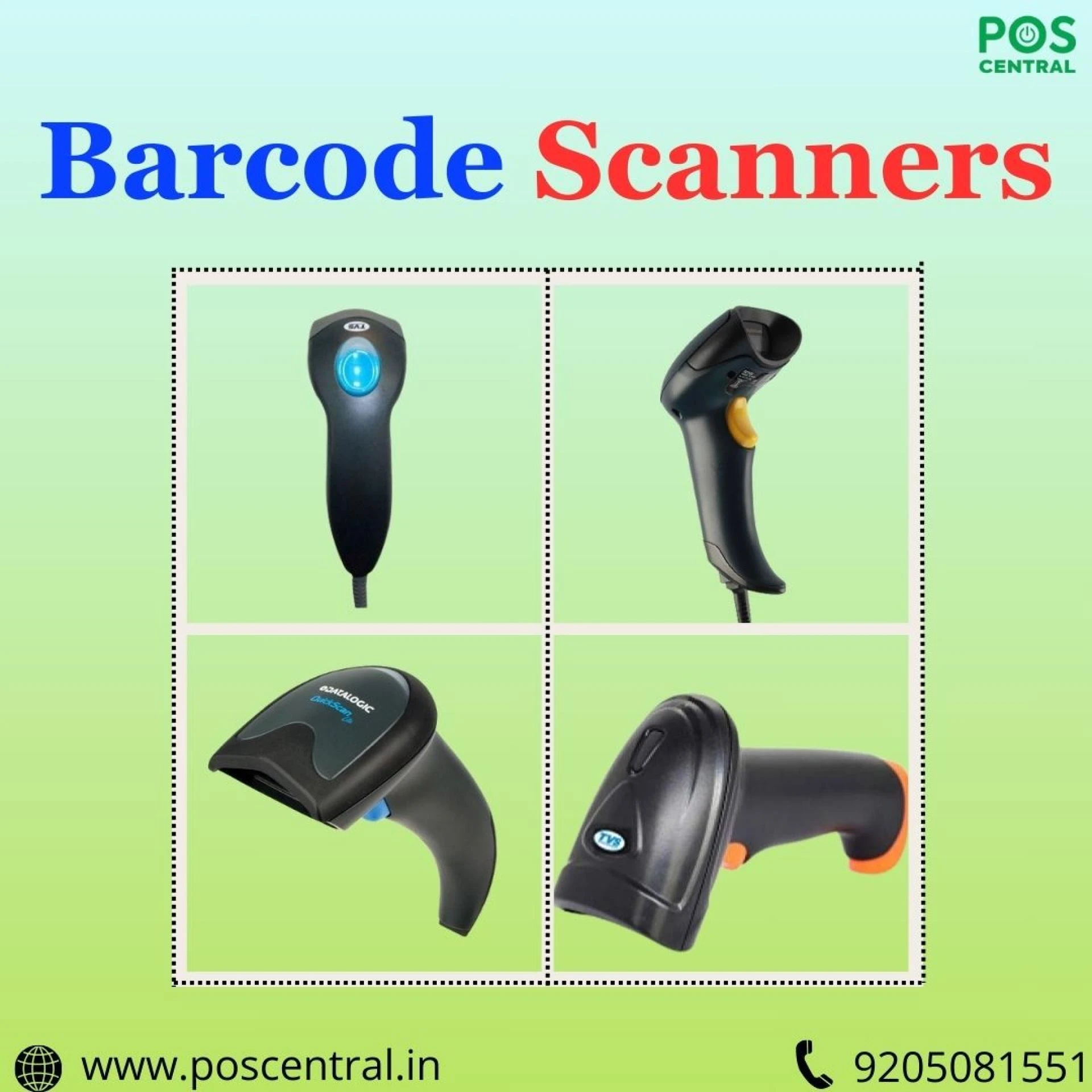

Barcode scanners have revolutionised the way businesses operate, making transactions faster and more efficient. As technology continues to advance, the next big leap in barcode scanning is undoubtedly the integration of Artificial Intelligence (AI). With AI, barcode scanners will not only become faster and more accurate but also smarter, offering solutions that can enhance the overall efficiency of business operations.
Let’s explore how barcode scanners will evolve with AI technology and how this will impact businesses worldwide.
The Role of Barcode Scanners Today
In today's world, barcode scanners are crucial in retail stores, warehouses, hospitals, and even libraries. They help speed up the checkout process, track inventory, and ensure accuracy in pricing. Currently, barcode scanners are capable of reading 1D and 2D barcodes, and they come in various forms—portable handheld scanners, fixed-mount scanners, and more.
The technology behind barcode scanners has made remarkable strides over the years, but with the integration of AI, they are about to become even more advance
AI-Powered Barcode Scanners: What to Expect
The future of barcode scanning is not just about reading barcodes faster. It's about using AI to add another layer of intelligence to the scanning process. Here are some ways in which AI will enhance barcode scanners:
1. Improved Accuracy and Speed
AI will allow barcode scanners to instantly recognise and correct misread barcodes. For instance, in busy retail environments where speed is essential, AI will help scanners detect even the faintest or damaged barcodes with higher accuracy. AI algorithms will continuously learn from past errors, making the scanner more adept at handling challenging conditions like poor print quality or labels with smudged ink.
2. Smarter Data Processing
Currently, pos barcode scanners collect basic data like the product's ID and price, but AI can take this a step further. Imagine barcode scanners that not only read barcodes but also recognise additional information like the expiration date, manufacturing details, and location in the store, all in real time. This enhanced data processing will lead to better inventory management, allowing businesses to reduce stock-outs and overstock situations.
3. Real-Time Analytics
AI-powered barcode scanners could provide real-time insights into business performance. For instance, a retailer could use AI to analyse sales data as it is scanned, tracking which items are selling fastest and which are lagging behind. With these insights, businesses can optimise their inventory and make data-driven decisions.
4. Enhanced Security Features
Security is another area where AI will make a significant impact. AI-integrated barcode scanners could detect counterfeit products or unauthorised items by analysing patterns and comparing them with a database of legitimate barcodes. This will help businesses prevent theft and fraud, particularly in industries like pharmaceuticals and luxury goods.
The Benefits of AI-Powered Barcode Scanners for Businesses
AI is not just about technological innovation; it brings practical benefits to businesses. Here’s how businesses will gain from AI-powered barcode scanners:
1. Increased Efficiency
AI will help businesses automate routine tasks, such as inventory checks and pricing updates. With AI, barcode scanners can not only capture product details but also update the inventory database automatically. This means no more manual stock-taking or entry errors, saving time and labour costs.
2. Improved Customer Experience
When barcode scanners work seamlessly, the checkout process becomes smoother and faster. AI-driven scanners can also recognise customers’ preferences and offer personalised recommendations during the checkout. For example, a customer might scan a product, and the system could instantly suggest related items based on previous purchases, enhancing the overall shopping experience.
3. Better Inventory Management
AI can predict demand and adjust stock levels accordingly. For instance, if a product is selling quickly in one store, the system can automatically reorder more stock before it runs out. This level of automation will reduce the risk of running out of stock or overstocking, making businesses more agile and responsive to consumer demand.
Subcategories of Barcode Scanners
Barcode scanners come in various types, each designed to handle specific tasks. Here’s a breakdown of the most common subcategories:
1D Barcode Scanners
1D barcode scanners are the traditional scanners that read horizontal barcodes, often seen on products in grocery stores. These scanners are simple, cost-effective, and suitable for environments where speed is essential.
2D Barcode Scanners
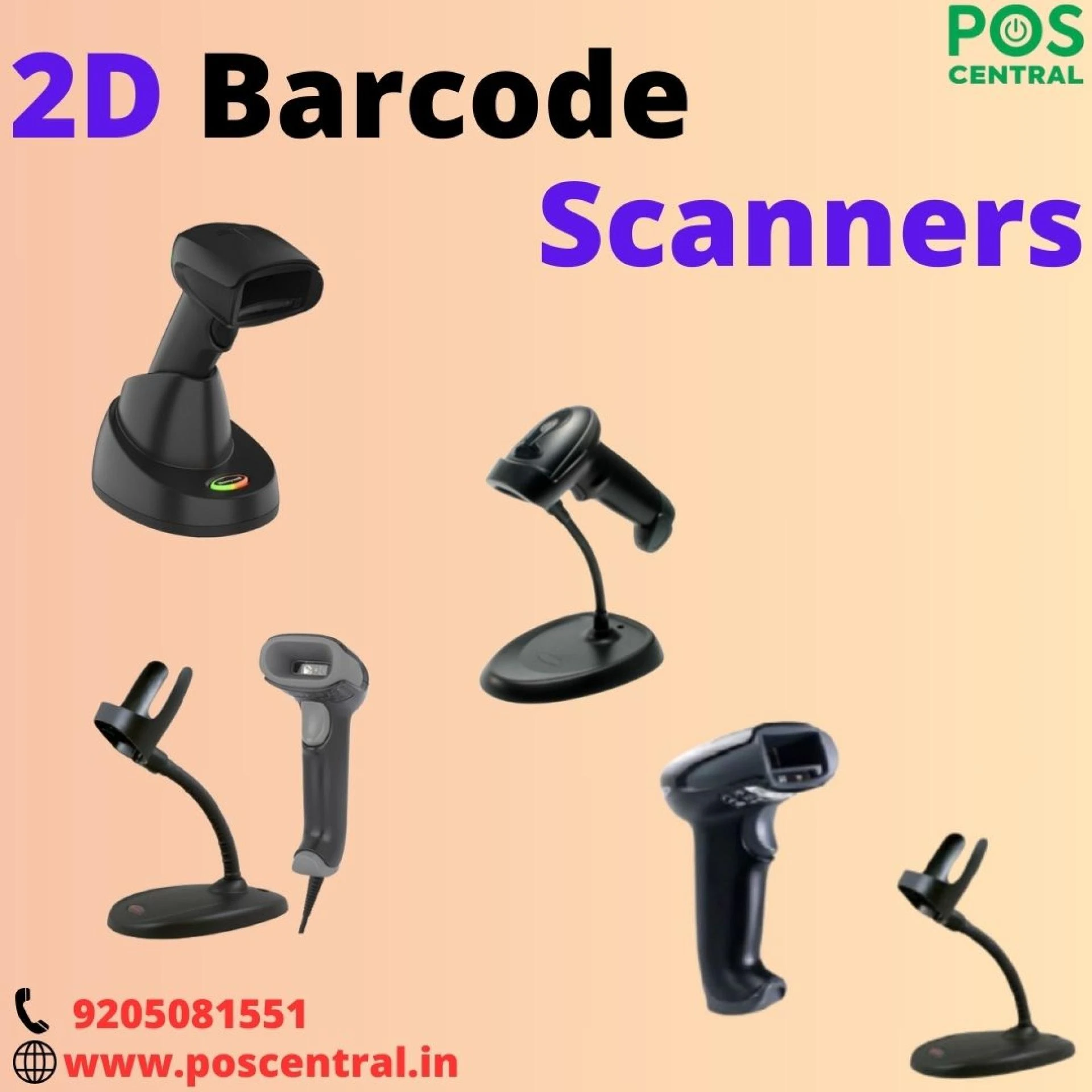
2D barcode scanners can read two-dimensional barcodes, such as QR codes and Data Matrix codes. These scanners can store more information and are ideal for businesses that need to track detailed product data, such as inventory levels and product specifications.
Wireless Barcode Scanners
Wireless barcode scanners offer flexibility, as they can transmit scanned data over a wireless connection to a central system. This is particularly useful in large warehouses or retail stores where the scanner needs to move around the floor.
POS Barcode Scanners
Point-of-sale (POS) barcode scanners are specifically designed for use at checkout counters. These scanners are optimised for quick and accurate scanning, making them a vital part of any retail or hospitality business.
The Future of Barcode Scanners: What’s Next?
The integration of AI into barcode scanners is just the beginning. In the future, we can expect even more advancements, such as:
- Augmented Reality (AR) Integration: AI-powered barcode scanners could work alongside AR technology to give users an immersive experience, allowing them to see product details overlaid on the physical world.
- Voice-Controlled Scanning: Imagine a scenario where workers in a warehouse simply speak a command, and the barcode scanner automatically scans and records the data.
- Advanced Machine Learning: As barcode scanners continue to evolve, machine learning algorithms could help them become even smarter by predicting trends and making real-time decisions based on historical data.
As AI technology continues to evolve, so too will barcode scanners. From enhanced accuracy to real-time data processing, AI is set to revolutionise how businesses use barcode scanners. By improving efficiency, customer experience, and inventory management, AI-powered barcode scanners will become an indispensable tool for businesses worldwide.
If you are looking to upgrade your barcode scanning technology, visit POS Central India for the best barcode scanners available online, from the latest 1D and 2D barcode scanners to advanced POS systems.


























Sign in to leave a comment.