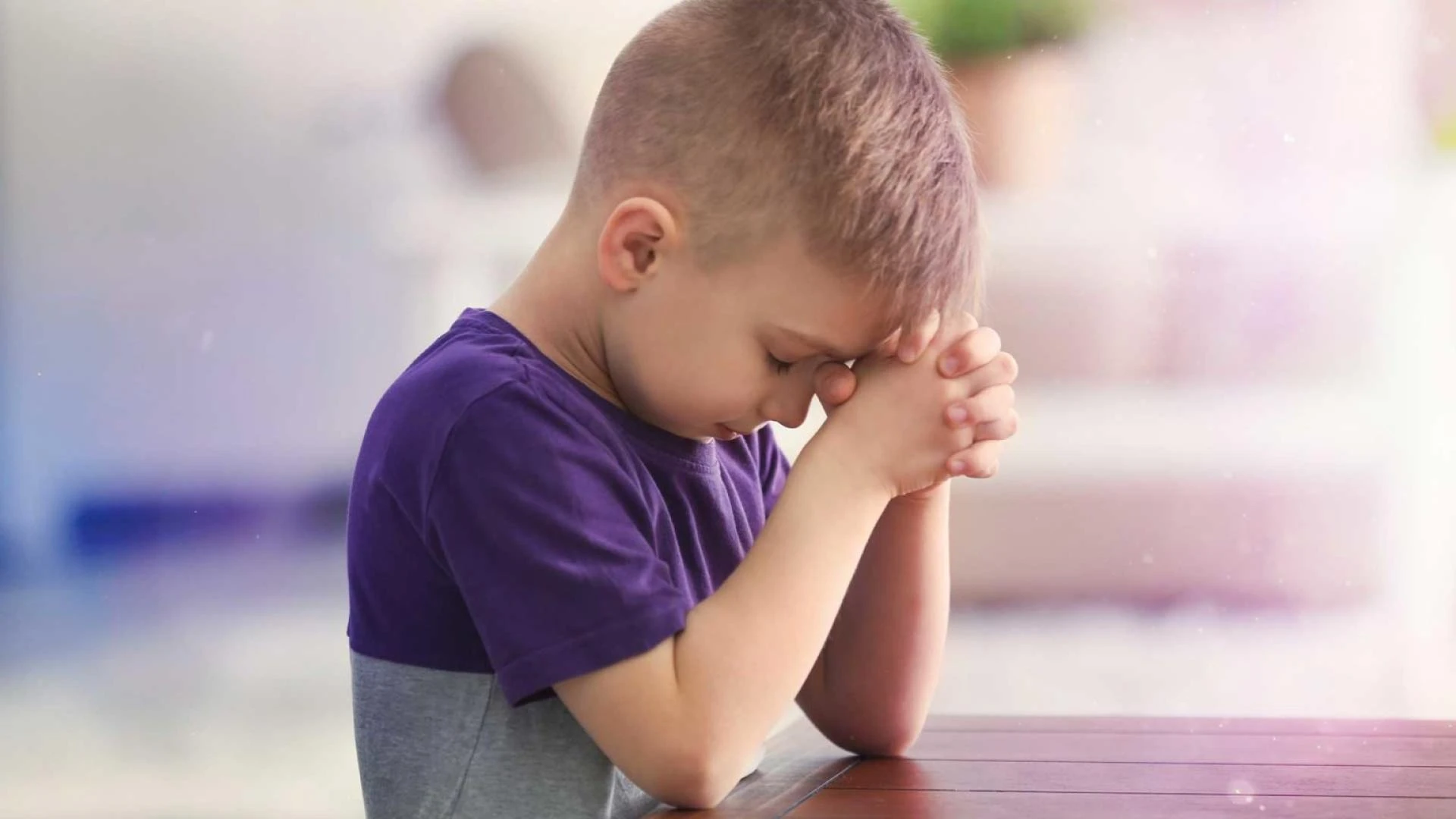

While toddlers may not fully understand abstract concepts, they possess other qualities that can contribute to their spiritual development. Their natural curiosity about the world, ability to believe in things beyond their sight, and presence at the moment make them natural spiritual beings.
Although your toddler may not be ready for advanced spiritual teachings, there are still ways to foster their spiritual growth. You can encourage them to be kind to others and answer their questions about the world in a way that aligns with your faith or beliefs. These small actions can build a strong spiritual connection with a child as they grow older.
Building a strong spiritual connection with children can help them develop resilience, coping skills, and a sense of purpose and meaning in life. It can also provide a source of comfort and support during difficult times. While religion is a common way to cultivate spirituality, it's not the only way. Spirituality can take many forms, including mindfulness practices, meditation, gratitude exercises, spending time in nature, and engaging in acts of kindness and service. The key is to find what resonates with you and your family and make it a routine. Author Michelle Abusuneima's book "Every Day With Livy" talks about a unique spiritual connection with a child, which stays with the parents even after they depart from this world. A must-read heartwarming book for all ages!
What Part You Can Play to Nurture Your Child's Spirituality
Clarify Your Principles It's important to note that while clarifying your beliefs can be helpful, it's also okay to be uncertain or explore your spirituality. You can model this process for your child by openly discussing and learning about different beliefs and practices.
If you attend a religious institution, involve your child in age-appropriate activities and events, such as Sunday school or holiday celebrations. If you don't practice a specific religion, you can still teach your child about spirituality through meditation, mindfulness, and gratitude practices.
Ultimately, the most important thing is to foster an environment of love, kindness, and acceptance in your home, as these core values can contribute to a strong spiritual foundation for your child.
Introduce Spirituality Early on: It's important to remember that building a strong spiritual connection with a child isn't just about religion or belief in a higher power, but it's also about values, morals, and a sense of purpose. Encouraging your child to respect others' beliefs and teaching her to be kind, empathetic, and compassionate will also help nurture her spiritual side.
Don't pretend to have all the answers: Be honest with children and tell them it's okay not to have all the answers. Acknowledging different beliefs and perspectives can help your child develop an open-minded and accepting attitude toward others. It's also important to let your child know they can always ask questions and share their thoughts and feelings about spirituality with you.
Use daily events to teach lessons of spirituality: Small actions can make a big impact on your child's spiritual development. For example, you can teach your child to be thankful for the food you eat by saying a simple grace before meals. You can also use bedtime or quiet time to discuss the day and any positive or negative experiences and how they relate to spiritual values like kindness, forgiveness, or gratitude. You can also introduce the concept of meditation or mindfulness by teaching your child to take deep breaths and focus on the present moment.
Remember that your child is always watching and learning from your actions, so strive to model positive spiritual practices and values daily. Doing so can help your child develop a sense of inner peace, purpose, and connection to something greater than themselves.
Instill an appreciation of nature: You can also encourage your child to observe and appreciate the natural world by pointing out the beauty around you. Ask your toddler to notice the colors of the leaves changing in the fall or the sound of the birds singing in the morning. Take walks outside together and look for signs of different animals or insects. These small actions can help your child develop a sense of wonder and awe for the natural world, which can be a great foundation for developing a spiritual connection with your child.
Tell stories: Storytelling can be a powerful tool for instilling spiritual values in your child. Create stories illustrating important concepts such as compassion, honesty, and gratitude. Use imaginative characters and settings to help your child connect with the story more deeply.
As you read or tell stories, encourage your child to ask questions and share their thoughts and feelings. This can help them develop a sense of curiosity and wonder about the world around them and a deeper appreciation for the diversity of beliefs and traditions in our global community.
Build on family traditions: Consider taking your child to visit family members who are part of your spiritual tradition, such as grandparents, aunts, or uncles. This will help reinforce the idea that spirituality is a part of family life and can be shared across generations. Encourage your child to ask questions and listen to these family members' stories, helping deepen their understanding and connection to their spiritual heritage.
Make it Amusing: it's important to remember that spirituality can also be expressed through silence and stillness. Meditation, prayer, or simply taking a moment to be mindful and present can be powerful ways to connect with a sense of spirituality and develop a spiritual connection with the child. Encourage your child to take a few deep breaths, focus on the present moment, or try guided meditation together. Remember to keep it age-appropriate and fun so your child associates spirituality with joy and positivity.
Stress the spiritual side of holidays: Volunteering at a local charity is a wonderful way to give back to the community and teach children about empathy and compassion. It can also be a fun and meaningful activity to do together as a family. Donating food, clothing, or toys to a shelter is another great way to involve your toddler in giving. Helping your child choose items to donate can be a valuable lesson in generosity and gratitude.
Participating in church or synagogue events can also be a meaningful way to celebrate the holiday season. These events often focus on giving, kindness, and community themes, which are important values to instill in young children.

























Sign in to leave a comment.