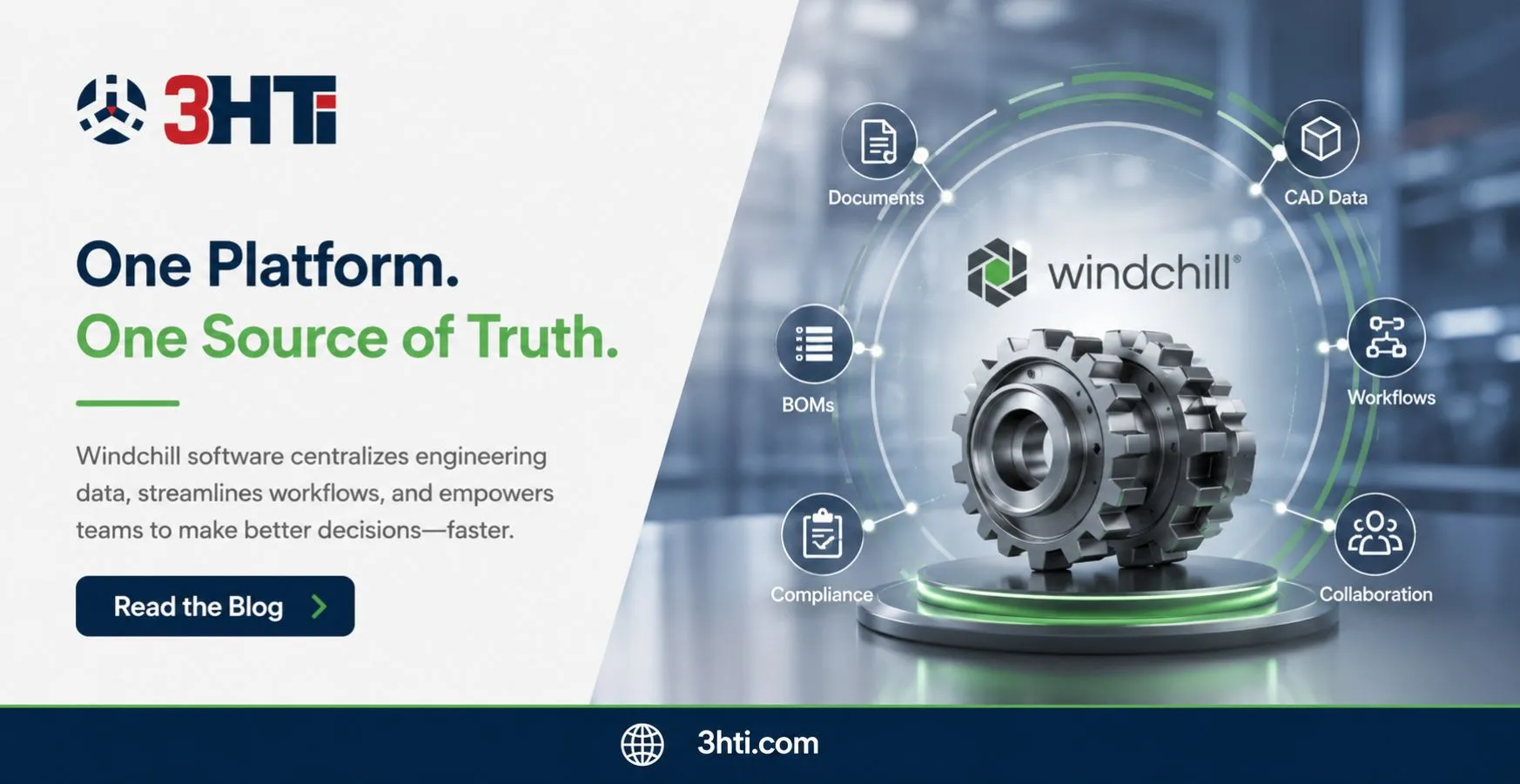

Engineering organizations generate enormous volumes of product data throughout design, development, manufacturing, and service. When this information is stored across disconnected systems, teams struggle with version conflicts, duplicate files, and inefficient collaboration. Windchill software addresses these challenges by centralizing engineering data into a single, controlled environment. As a Product Lifecycle Management (PLM) platform, it helps manufacturers improve collaboration, maintain data integrity, and support informed decision-making across the entire product lifecycle.
Direct Answer
Windchill software is an enterprise Product Lifecycle Management (PLM) platform that centralizes engineering data, product documentation, workflows, and change management into a single system. Its primary function is to create a single source of truth where engineering, manufacturing, quality, and service teams access consistent, up-to-date product information. This unified approach improves collaboration, reduces errors, strengthens traceability, and supports efficient product development.
Why Engineering Data Becomes Fragmented
Many manufacturing organizations rely on multiple engineering systems that evolve over time.
CAD models, bills of materials (BOMs), engineering drawings, software requirements, specifications, quality documents, and manufacturing instructions are often stored in separate applications. As products become more complex, disconnected data creates significant operational challenges.
Common issues include:
- Multiple versions of design files
- Duplicate engineering documents
- Manual change tracking
- Inconsistent product records
- Limited visibility across departments
- Delayed engineering approvals
Without centralized data management, teams spend valuable time searching for information instead of developing products.
What Is a Single Source of Truth?
A single source of truth is a centralized repository where product information is managed, updated, and governed throughout its lifecycle.
Instead of maintaining separate copies across departments, every stakeholder works from the same controlled data set. This improves collaboration while reducing inconsistencies and manual reconciliation.
With Windchill software, engineering teams can securely manage:
- CAD models
- Bills of materials (BOMs)
- Engineering documents
- Product configurations
- Requirements
- Engineering changes
- Compliance documentation
- Product revisions
This centralized approach enables consistent decision-making across engineering, manufacturing, procurement, quality, and service teams.
How Windchill Software Centralizes Engineering Data
Windchill software provides a structured environment for managing product information throughout every stage of development.
Centralized Product Data Management
Engineering files are stored within a secure repository instead of local drives or disconnected systems.
Centralized management provides:
- Version control
- Access permissions
- Revision history
- Document relationships
- Product traceability
This reduces duplicate files while ensuring every department references approved product information.
Engineering Change Management
Product updates often involve multiple departments and approval workflows.
Windchill streamlines engineering change management by automating:
- Change requests
- Change notices
- Design reviews
- Approval routing
- Documentation updates
Standardized workflows improve consistency while reducing administrative effort.
Configuration Management
Manufacturers frequently manage multiple product variants.
Windchill enables organizations to maintain accurate product configurations while controlling revisions across complex product families.
The Role of PLM Implementation Services
Successfully implementing a PLM platform requires careful planning, process alignment, and stakeholder involvement.
PLM implementation services help organizations:
- Define business objectives
- Configure workflows
- Standardize engineering processes
- Integrate existing systems
- Train users
- Establish governance
- Optimize long-term platform performance
A structured implementation approach accelerates adoption while reducing project risk.
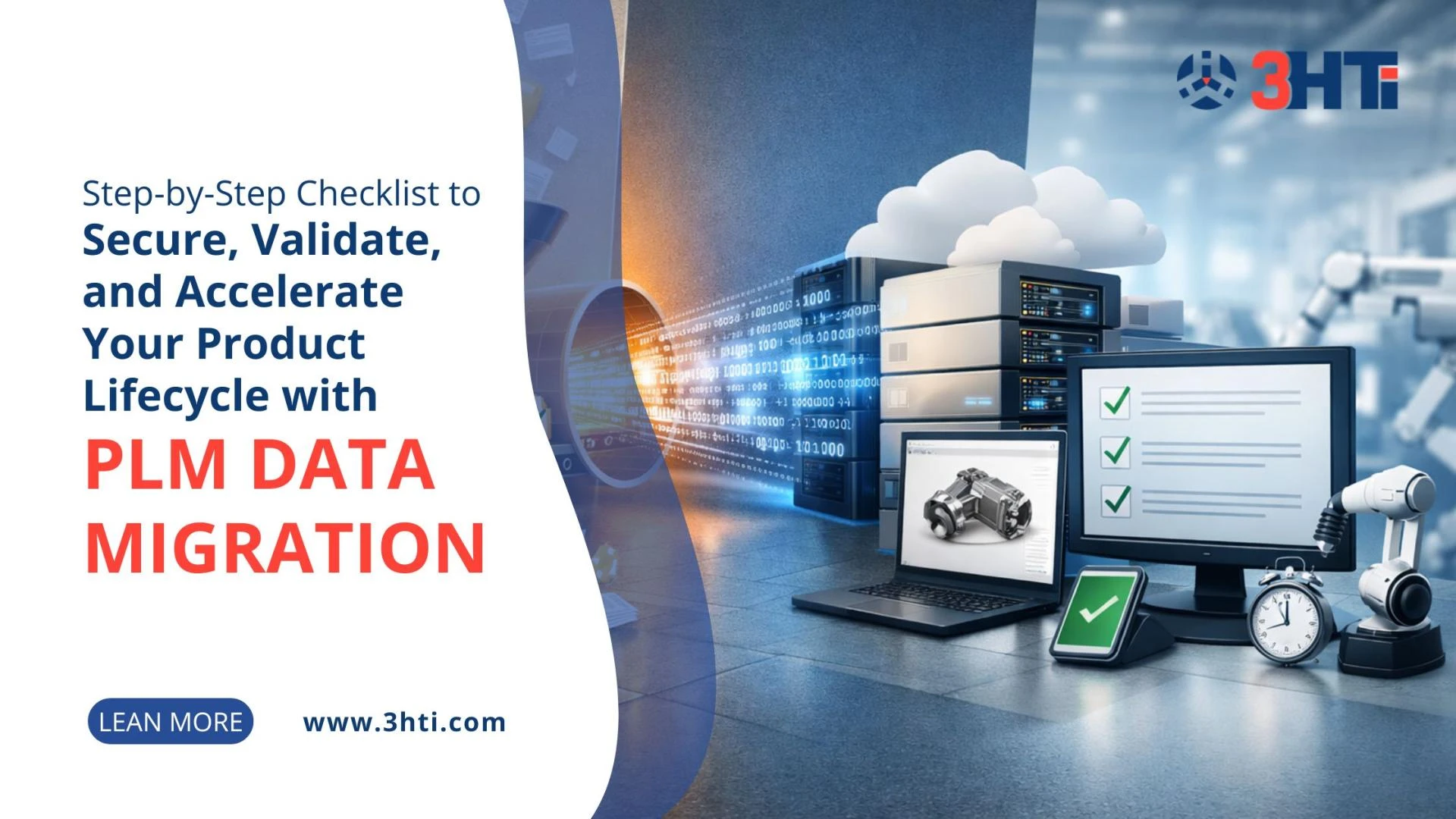
Why PLM Data Migration Matters
Migrating engineering information into a new PLM environment requires more than copying files.
PLM data migration ensures that valuable engineering information remains accurate, complete, and usable within the new system.
Migration planning typically includes:
- Data assessment
- Duplicate record identification
- Data cleansing
- Metadata mapping
- Validation testing
- User acceptance reviews
Organizations that prepare data before migration typically experience smoother implementations and higher long-term data quality.
Integrating ALM for Connected Product Development
Modern products increasingly combine mechanical, electrical, and software components.
ALM integration solutions connect software development activities with product engineering, providing complete traceability from requirements through testing and release.
Integrating Windchill with ALM systems enables organizations to:
- Link software requirements to product configurations
- Improve engineering traceability
- Coordinate multidisciplinary development
- Strengthen compliance documentation
- Improve release management
This integrated digital thread becomes especially valuable in regulated industries where design traceability is essential.
Seamless Collaboration with Creo CAD Software
Engineering productivity improves when CAD tools integrate directly with product lifecycle management.
Creo CAD software works closely with Windchill to provide synchronized management of product designs, revisions, and engineering documentation.
Benefits include:
- Automatic version management
- Controlled design check-in/check-out
- Improved design collaboration
- Faster engineering reviews
- Reduced manual file management
- Better synchronization between CAD and PLM environments
This integration minimizes administrative tasks while allowing engineers to focus on product development.
Industries That Benefit Most
Windchill software supports organizations developing complex, highly regulated products.
Aerospace & Defense
Improves configuration management, engineering traceability, and document control across long product lifecycles.
Automotive
Supports collaborative design, supplier coordination, and engineering change management for high-volume product development.
Medical Devices
Helps maintain controlled documentation, design history, and product traceability required for regulated development processes.
Life Sciences
Strengthens product data management while supporting secure collaboration across multidisciplinary engineering teams.
Industrial Manufacturing
Centralizes engineering information, improves operational efficiency, and accelerates new product introduction.
Practical Example
Consider an industrial equipment manufacturer managing engineering files across shared network drives, CAD workstations, and spreadsheets.
Mechanical engineers, manufacturing teams, and quality personnel frequently work with outdated product information, leading to duplicate revisions and delayed production approvals.
Following the implementation of Windchill software, engineering data is centralized within a controlled PLM environment. Integrated workflows automate engineering changes, synchronize CAD models, and provide real-time visibility into approved product information.
Expected outcomes include:
- Improved engineering collaboration
- Reduced document duplication
- Faster design approvals
- Better product traceability
- Increased confidence in engineering decisions
A common mistake is migrating existing engineering data without first removing duplicate or obsolete records, which can reduce the effectiveness of the new PLM environment.
Common Challenges During PLM Adoption
Organizations can improve implementation success by avoiding common pitfalls.
Typical challenges include:
- Poor data quality before migration
- Limited user training
- Inconsistent engineering workflows
- Weak governance policies
- Underestimating change management
- Incomplete system integration
- Unclear business objectives
Addressing these issues during implementation helps organizations realize value more quickly.
Best Practices for Maximizing Windchill Software
Organizations achieve the greatest success when PLM implementation supports broader engineering objectives.
Recommended practices include:
- Standardize engineering workflows before implementation.
- Clean and validate engineering data before migration.
- Integrate CAD and ALM platforms.
- Establish clear governance policies.
- Train engineering and manufacturing users.
- Define measurable performance objectives.
- Review workflows regularly for continuous improvement.
- Partner with experienced PLM specialists for implementation and optimization.
Organizations evaluating enterprise PLM platforms can explore Windchill software and related implementation.
Windchill Software vs Traditional File-Based Engineering
Traditional file management relies on shared folders, local storage, and manual document control. As engineering teams expand, these approaches often create duplicate files, inconsistent revisions, and limited visibility.
Windchill software replaces fragmented file management with centralized governance, automated workflows, controlled access, and lifecycle management. This enables organizations to improve collaboration while maintaining accurate engineering information across departments and locations.
Conclusion
Creating a single source of truth for engineering data is essential for organizations developing complex products in competitive industries. Windchill software centralizes product information, streamlines engineering workflows, improves collaboration, and strengthens data governance across the entire product lifecycle.
When combined with PLM implementation services, PLM data migration, ALM integration solutions, and integration with Creo CAD software, Windchill provides a scalable foundation for engineering excellence, operational efficiency, and long-term digital transformation.
Frequently Asked Questions
1. What is Windchill software?
Windchill software is an enterprise Product Lifecycle Management (PLM) platform that centralizes engineering data, product documentation, workflows, and lifecycle management to improve collaboration and product development efficiency.
2. Why is a single source of truth important for engineering organizations?
A centralized data repository reduces duplicate information, improves version control, enhances collaboration, and ensures engineering, manufacturing, and quality teams work from accurate, approved product data.
3. How do PLM implementation services support Windchill?
PLM implementation services configure workflows, integrate business systems, establish governance, train users, and align the platform with organizational objectives to maximize implementation success.
4. Why is PLM data migration important?
PLM data migration ensures engineering information is accurately transferred into the new platform while removing duplicate records, improving data quality, and maintaining business continuity during implementation.
5. How do ALM integration solutions complement Windchill?
ALM integration solutions connect software development with product engineering, enabling end-to-end traceability between requirements, testing, releases, and product lifecycle management.
6. What are the benefits of integrating Creo CAD software with Windchill?
Integration improves version control, automates engineering workflows, simplifies design collaboration, reduces manual file management, and keeps CAD data synchronized with product lifecycle information.
7. Which industries benefit most from Windchill software?
Industries including Aerospace & Defense, Automotive, Medical Devices, Life Sciences, and Industrial Manufacturing benefit from centralized engineering data, improved traceability, stronger collaboration, and more efficient product lifecycle management.






















Sign in to leave a comment.