

An enterprise 3d printer price can range from $50,000 for precision composite platforms to well over $1,000,000 for multi-laser powder bed fusion systems. To an executive evaluating capital budgets, this significant variance raises a practical question: what underlying technology justifies such a steep investment compared to prosumer systems that appear to operate on similar principles?
The distinction lies in predictable process physics, structural engineering, and manufacturing validation. While entry-level desktop machines function primarily for visual prototyping and iterative shape modeling, industrial additive systems operate as deterministic manufacturing cells. The elevated price tag represents heavy-duty motion mechanics, precision thermal control, material versatility, in-situ quality verification, and enterprise-grade support infrastructures.

Precision Motion Mechanics and Structural Rigidity
Consumer and desktop 3D printers rely largely on stamped sheet metal, aluminum extrusions, rubber timing belts, and open-loop stepper motors. These components are cost-effective but remain vulnerable to mechanical backlash, thermal expansion, and harmonic vibration during high-speed acceleration.
In contrast, core industrial 3d printer cost drivers center on production-grade machine tool construction:
- Closed-Loop Servo Systems with Optical Encoders: Instead of estimating nozzle or laser position via motor step counts, industrial platforms integrate glass-scale linear encoders that measure actual mechanical position in sub-micron increments. The controller continuously compensates for thermal drift and positional deflection in real time.
- Ground Ball Screws and Linear Guides: Heavy structural carriages move along precision-ground, preloaded ball screws and hardened steel rails. This configuration eliminates backlash and resists the torsional forces generated during continuous multi-day build cycles.
- Massive Damped Machine Bases: Production machines frequently incorporate cast iron, welded tubular steel, or granite foundations. This structural mass absorbs high-frequency vibrations from moving gantries and galvanometer mirrors, ensuring consistent layer registration from the first millimeter to the top of the envelope.
Active Thermal Management and Chamber Physics
Controlling ambient temperature around the deposition zone is among the most demanding engineering challenges in additive manufacturing. When high-performance thermoplastics like PEEK, PEKK, and Ultem cool unevenly, internal stresses cause immediate warping, dimensional distortion, and inter-layer delamination.
Achieving structural integrity across these materials requires active chamber heating:
- Active Convective and Radiative Heating: Industrial platforms incorporate controlled heating elements and insulated double-walled chambers capable of maintaining ambient temperatures between 150°C and 250°C.
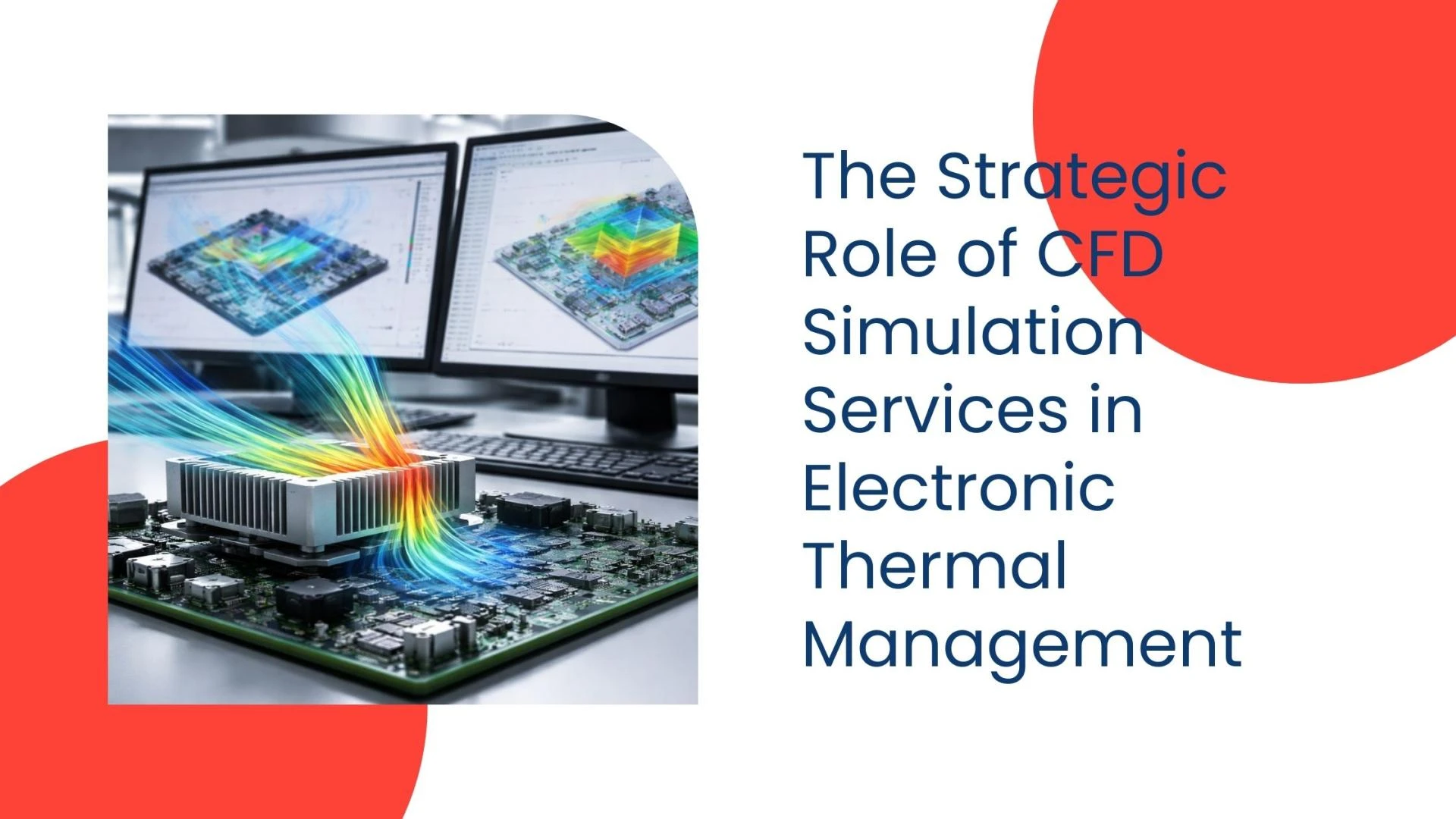
- Sub-Degree Temperature Uniformity: It is insufficient to simply pump hot air into an enclosure. Industrial systems use Computational Fluid Dynamics (CFD) modeling to guide laminar airflow across the build zone, preventing cool spots and irregular temperature gradients that compromise part metallurgy or crystalline polymer morphology.
- Thermal Isolation of Critical Systems: Operating a build chamber at elevated temperatures requires isolating the motors, encoders, wiring harnesses, and energy delivery optics in water-cooled or externally vented compartments to prevent premature hardware failure.
Expanding the Build Volume Without Geometric Distortion
Scaling build volume does not scale costs linearly; it compounds them exponentially. A machine with twice the build length, width, and height encompasses eight times the cubic volume, introducing severe structural and thermodynamic hurdles.
As build envelopes expand to accommodate large aerospace brackets or automotive tooling, the following factors drive hardware expense:
- Structural Deflection Resistance: Larger gantries must remain perfectly flat across extended spans. Thicker, stiffer cross-members and high-torque servomotors are necessary to prevent physical sagging under high acceleration loads.
- Environmental Stability Over Time: A print spanning 500 millimeters or more may take 72 to 120 continuous hours to complete. Maintaining precise chamber pressure, inert atmosphere purity, and temperature stability over days of continuous operation demands high-capacity industrial chillers, sealed vacuum pumps, and heavy-duty blowers.
- Plate Planarity and Thermal Distribution: Large heated build plates require multi-zone heating controls to prevent edge heat loss, alongside precision-machined tooling plates that resist bowing under vacuum clamping or thermal cycles.
Expanding Specialized Material Capability
The breadth of material capability in an industrial machine dictates the engineering required throughout its fluid, mechanical, and optical subsystems. Processing demanding materials moves far beyond standard plastic filament.
Industrial platforms must withstand challenging chemical, abrasive, and biological environments:
- Abrasive and High-Temperature Polymers: Extruding continuous carbon fiber, glass-filled composites, or flame-retardant polymers requires hardened ceramic nozzles, high-torque dual-drive gears, and heaters rated above 450°C.
- Laser Powder Bed Fusion: Melting reactive titanium, aluminum, or nickel superalloys requires hermetically sealed chambers filled with high-purity argon. Systems incorporate automated recirculation loops, oxygen sensors capable of measuring parts-per-million concentrations, and explosion-proof filtration modules.
- Specialized Life Sciences Bioprinting: Platforms like the EnvisionTEC 3D-Bioplotter reflect distinct engineering demands. These cleanroom-compatible platforms incorporate sterile pneumatic syringe heads, active temperature-controlled cartridges, UV curing modules, and precision mass-flow sensors to deposit delicate hydrogels, living cell suspensions, and biodegradable ceramic matrices without causing cellular damage.
Optimizing models to capitalize on these material characteristics typically begins upstream, where engineers leverage specialized cad services and advanced generative design tools in PTC Creo to reduce part mass and optimize internal lattice channels.
In-Situ Quality Assurance and Regulatory Certification
In regulated sectors such as aerospace, medical device manufacturing, and defense, an additive component is only as viable as its traceability documentation. A significant portion of the capital cost of industrial equipment covers integrated telemetry, sensor packages, and data validation suites.
Industrial platforms monitor the manufacturing process on a layer-by-layer basis:
- Melt-Pool Telemetry: Metal systems integrate high-speed coaxial photodiodes and pyrometers that measure laser energy absorption, melt-pool temperature, and spatial stability at kilohertz frequencies.
- High-Resolution Optical Layer Scanning: Cameras sweep each recoated powder or extruded layer, scanning for surface gouges, incomplete coverage, or out-of-plane part interference before continuing the build.
- Deterministic Traceability: Build logs record thousands of telemetry data points per second, linking the component's geometry to exact machine state parameters to meet the strict quality mandates of AS9100 and ISO 13485 audits.
Enterprise Warranty and Service: The Operational Safety Net
When an industrial 3D printer transitions from research and development into an active manufacturing cell, unexpected equipment downtime carries substantial financial consequences. The total capital expenditure accounts for comprehensive warranty and service structures designed to guarantee production continuity.
Industrial acquisition packages prioritize operational reliability:
- Strict Service-Level Agreements (SLAs): Vendor support contracts stipulate rapid response times, guaranteed on-site technical support within 24 to 48 hours, and dedicated access to field applications engineers.
- Stocked Spares and Replacement Modules: Rather than waiting weeks for international shipments of specialized components, industrial service networks maintain regional inventories of recoater blades, laser optics, heating jackets, and controller boards.
- Preventive Maintenance and Calibration: Scheduled visits by certified service technicians ensure alignment of optical galvanometers, recalibration of thermal zones, and lubrication of motion guides, maintaining original factory tolerances over years of continuous operation.
The Production Math Behind the Capital Investment
Evaluating an industrial additive platform solely on initial machine purchase costs overlooks the economics of modern production. The substantial equipment investment reflects the engineering required to produce certified, dimensionally repeatable, and structurally sound components around the clock.
By eliminating unpredictable part failures, reducing costly post-machining secondary steps, and maintaining production compliance, industrial additive platforms deliver reliable manufacturing capability where lower-tier systems cannot.
For technical teams evaluating their production requirements, reviewing your application parameters through an interactive platform like find your 3D printer helps match mechanical demands, material needs, and volume requirements with the right machine class.
Frequently Asked Questions
What factors contribute to the high price of industrial 3D printers?
The high price of industrial 3D printers is primarily driven by advanced technology, including precision motion mechanics, active thermal management, and high structural rigidity. These systems incorporate features like closed-loop servo systems, precision-ground components, and specialized materials handling that ensure consistent and reliable performance in a manufacturing environment.
How do industrial 3D printers differ from consumer models?
Industrial 3D printers are designed for deterministic manufacturing processes, while consumer models often serve for visual prototyping and light modeling. Industrial systems offer enhanced precision, material versatility, and in-situ quality verification, making them suitable for high-stakes applications in sectors like aerospace and medical device manufacturing.
What is the significance of in-situ quality assurance in industrial 3D printing?
In-situ quality assurance is vital for ensuring that manufactured components meet stringent regulatory requirements, especially in industries like aerospace and healthcare. Industrial 3D printers utilize telemetry and monitoring systems to gather real-time data on the manufacturing process, allowing for immediate corrections and comprehensive traceability documentation.
Why do larger build volumes increase the cost of industrial 3D printers?
Larger build volumes exponentially increase costs due to structural and thermodynamic challenges that arise with greater dimensions. These include the need for robust gantries to maintain flatness, advanced thermal management systems to ensure consistent temperatures, and specialized heating controls to prevent warping and distortion during long print cycles.
Can industrial 3D printers work with specialized materials?
Yes, industrial 3D printers are designed to handle a wide range of specialized materials, including high-temperature polymers and metal alloys. These machines require advanced components such as hardened nozzles and hermetically sealed environments to safely process these demanding materials while maintaining component integrity.
What kind of support and warranties can be expected with industrial 3D printers?
Industrial 3D printers typically come with comprehensive warranties and service agreements, including strict service-level agreements for rapid technical support. Additionally, vendors often maintain regional inventories of spare parts and provide preventive maintenance services to ensure operational reliability and minimize downtime.
How does the cost of ownership for industrial 3D printers compare to initial purchase price?
The cost of ownership for industrial 3D printers often surpasses the initial purchase price due to factors like maintenance, operational reliability, and the elimination of costly post-processing. When evaluating these machines, it’s essential to consider the long-term benefits, including reduced part failures and enhanced production compliance.


















Sign in to leave a comment.