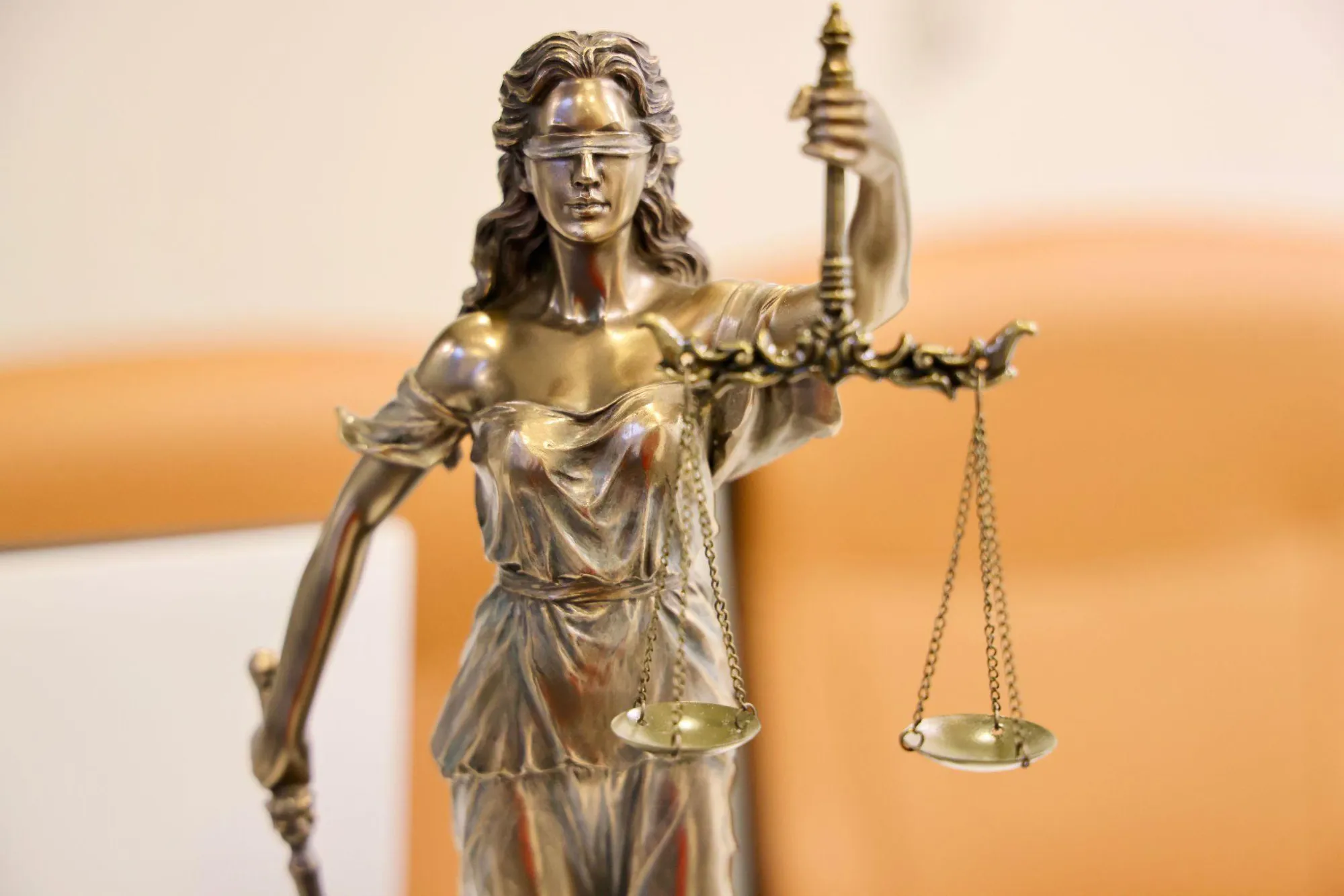

Judges weigh a witness’s opportunity to observe an event as part of any credibility assessment
A courtroom rarely turns on physical evidence alone. More often, it turns on a person standing in front of a judge or jury, describing what they remember. That single account can send someone to prison or set them free, which is precisely why witness credibility sits at the center of nearly every criminal trial.
Yet human memory is far less dependable than most people assume, and the way a witness is questioned can shape a case as much as what they actually saw. Here’s a look at how witness credibility can influence criminal proceedings.
Why Witness Testimony Carries So Much Weight
Criminal proceedings are built around narrative. Physical evidence like fingerprints or forensic reports tells part of a story, but witnesses fill in the rest: who was where, what was said, what happened first. Courts have long relied on this kind of firsthand account because it feels intuitive and immediate. A person who claims to have seen an event unfold is treated as a direct link to the truth.
That reliance, however, comes with risk. Research shows that eyewitness misidentification has played a role in the majority of wrongful convictions later overturned through DNA testing, making it one of the most common contributing factors in miscarriages of justice nationwide.
Memory Is Not a Recording
One of the more persistent misconceptions in criminal law is that memory functions like a video file, something a witness can simply replay in their mind. In reality, cognitive research points to memory as a reconstructive process, shaped by stress, lighting, distance, and even the race of the person being observed relative to the witness. Cross-racial identification errors, distraction during the event, and the simple passage of time all reduce the reliability of what a witness reports.
This matters in cases such as weapon offences or dangerous driving, where events unfold in seconds, and witnesses are later asked to recall precise details of fast-moving, high-stress situations. The gap between confidence and accuracy is one of the most well-documented problems in the psychology of testimony.
How Credibility Assessments Work
Judges and juries are tasked with an inherently difficult job: deciding who to believe. Credibility assessments generally weigh a witness’s opportunity to observe the event, consistency between their statements over time, potential bias or motive, and how they present themselves under questioning.
The process exists precisely because even honest, well-meaning witnesses can be mistaken, and the adversarial system is designed to surface those limitations rather than assume every account is accurate.

Cross-examination is a defendant’s constitutional tool for testing evidence before a court accepts it
The Role of Cross-Examination
Cross-examination is the mechanism the justice system uses to test testimony before it is accepted as fact. Rooted in a defendant’s constitutional right to confront the evidence against them, its purpose isn’t simply to catch someone in a lie; it’s to expose gaps in perception, memory, and interpretation that even a truthful witness may not realize exist.
Skilled questioning can reveal whether a witness had a clear line of sight, whether their attention was divided, or whether their account has shifted subtly since the initial police statement.
Research shows that the phrasing and structure of an attorney’s questions can influence how credible a witness appears to jurors, sometimes independent of the actual content of their answers: a finding that shows the manner of questioning matters as much as the facts themselves.
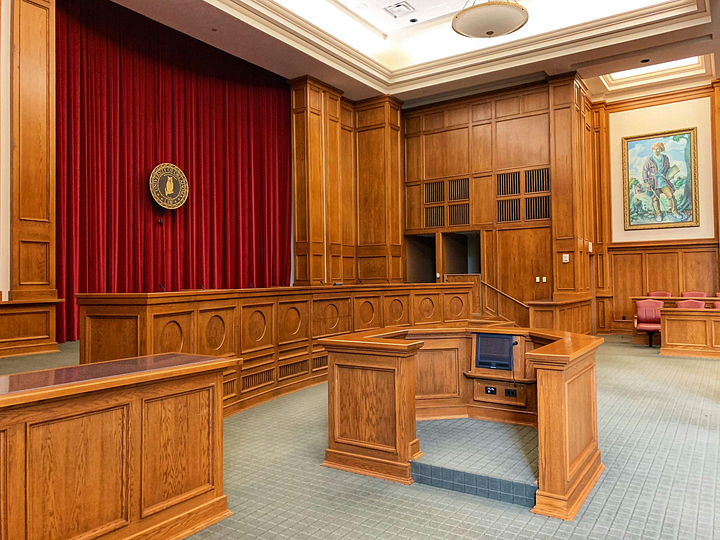
Jury perception of a witness can shift based on how an attorney structures their questions
Turn to Rashidy & Associates for Strong Criminal Defence
When a case hinges on someone else’s memory of events, having a defence team that knows how to challenge that testimony matters.
Rashidy & Associates is a Mississauga-based criminal defence law firm that clients turn to for representation that goes beyond the surface of a witness statement, examining perception, bias, and inconsistency at every stage of a case.
Your case deserves more than a second look. Contact Rashidy & Associates and book your consultation today.
About the Author
Daniel Whitfield is an Ontario-based legal writer and researcher focused on helping the public understand how criminal proceedings actually work. With extensive experience reviewing case law, analyzing courtroom procedure, and speaking with legal practitioners about how evidence holds up under scrutiny, Whitfield provides practical insights into how witness testimony is assessed, challenged, and weighed in criminal trials.

































Sign in to leave a comment.