

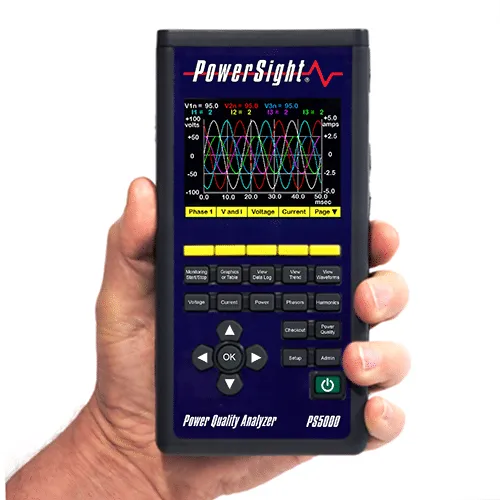
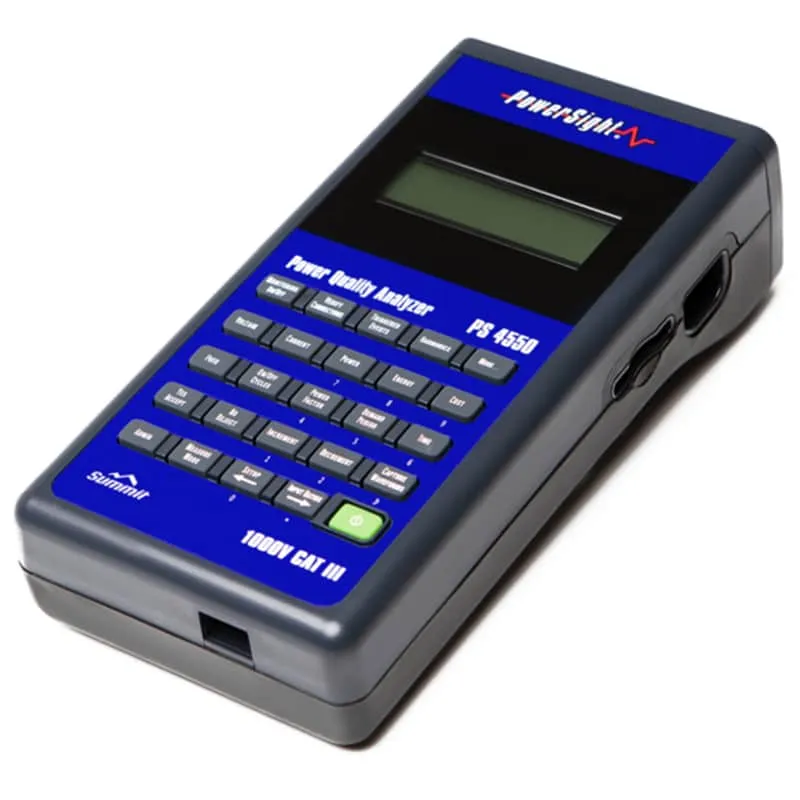
Not every electrical project justifies owning a power quality analyzer outright, and for teams handling a one-off energy audit, a short compliance study, or an unexpected troubleshooting job, a power quality analyzer rental is often the more practical path to accurate data without the capital investment.
Rental fleets have become a standard part of how electrical contractors, energy auditors, and facility engineers access precision instrumentation exactly when a project calls for it, without absorbing the ongoing cost of calibration, storage, and depreciation on equipment that might sit idle between jobs. This guide walks you through when renting makes sense, what to look for in a rental provider, and how to get the most accurate results out of a rented instrument.
When Renting Makes More Sense Than Buying
Not every situation calls for the same decision, and the right call usually comes down to how often the instrument will actually be used.
| Situation | Rent | Buy |
| One-time energy audit or short-term study | ✔ | |
| Occasional troubleshooting, a few times a year | ✔ | |
| Testing a specific analyzer model before a purchase decision | ✔ | |
| Regular, ongoing power quality monitoring across multiple sites | ✔ | |
| Dedicated in-house electrical testing team | ✔ | |
| Need for a specific analyzer configuration on a recurring basis | ✔ |
A rental also removes the burden of keeping calibration current on equipment that isn't used often enough to justify it as a meaningful factor, since accurate readings depend entirely on a properly calibrated instrument.
What's Included in a Quality Power Quality Analyzer Rental
Not all rental arrangements are equal. A well-run rental program should provide more than just the meter itself.
- A current calibration certificate, confirming the instrument's readings are traceable and accurate
- The necessary voltage and current probes matched to your system's voltage class and expected load
- Software for downloading, reviewing, and reporting the collected data
- Technical support from staff who understand both the instrument and typical field applications, not just order fulfillment
- A carrying case and accessories appropriate for field deployment, not just bench use
People also read for: Power Analyzers Explained: What They Measure and Why Electrical Teams Rely on Them
How to Choose the Right Analyzer for Your Rental Project
Before requesting a rental, it helps to be clear on exactly what the project requires:
- Identify the voltage class and system type: you'll be measuring; this determines the safety (CAT) rating and probe requirements needed.
- Define the goal of the monitoring period: energy audit, harmonic compliance check, troubleshooting a specific complaint, or equipment commissioning all call for slightly different measurement priorities.
- Estimate the monitoring duration: a multi-day or multi-week study needs an instrument with sufficient onboard memory and battery or external power options.
- Confirm channel count: single-phase versus three-phase systems require different numbers of voltage and current channels.
- Ask whether remote monitoring is available: which lets you check readings without a return site visit for short interim checks.
Common Applications for a Rented Power Quality Analyzer
| Application | Why Renting Fits |
| Utility rebate documentation | Short monitoring window tied to a specific program deadline |
| Nuisance trip troubleshooting | Unpredictable timeline, often resolved within days to a couple of weeks |
| New equipment commissioning | One-time verification before equipment goes into regular service |
| Facility energy audits | Defined project scope with a clear start and end date |
| Compliance verification (IEEE 519) | Periodic check rather than continuous monitoring needed |
What to Verify Before Your Rental Ships
A few quick checks before the instrument arrives save time once the project starts:
- Confirm the calibration date is current and the certificate is included
- Verify the probe set matches your system's voltage and current range
- Check that the software is compatible with your team's computers, or ask about cloud/remote access options
- Ask about return shipping logistics and rental period flexibility, in case a project runs longer than initially planned
Frequently Asked Questions
- Is renting a power quality analyzer cheaper than buying one?
For infrequent use, renting typically costs less overall once you account for the purchase price, ongoing calibration, storage, and depreciation of a purchased unit. For teams using an analyzer regularly across many projects, purchasing usually becomes more cost-effective over time.
- Do rented power quality analyzers come with a calibration certificate?
A properly managed rental program should always include a current calibration certificate with the instrument, since accurate readings depend on the analyzer being within its calibration cycle.
- How long can I rent a power quality analyzer for?
Rental durations are typically flexible, ranging from a few days for a quick troubleshooting job to several weeks or longer for an extended energy audit or compliance monitoring period. Confirm flexibility upfront in case your project timeline shifts.
- What probes do I need for my power quality analyzer rental?
The right probes depend on your system's voltage class, and current range; low-voltage current probes for standard branch circuits differ from high-voltage probes needed for medium-voltage distribution work. Confirming your system specs before the rental ships ensures the correct probe set arrives with the instrument.
Written by the PowerSight Team.
PowerSight designs power analyzers, power quality analyzers, and complete monitoring systems built for accuracy, safety, and ease of use in the field. Our rental program pairs every instrument with current calibration, the right probe set for your application, and direct access to real technical specialists, so teams get accurate results without the overhead of an outright purchase.
























Sign in to leave a comment.