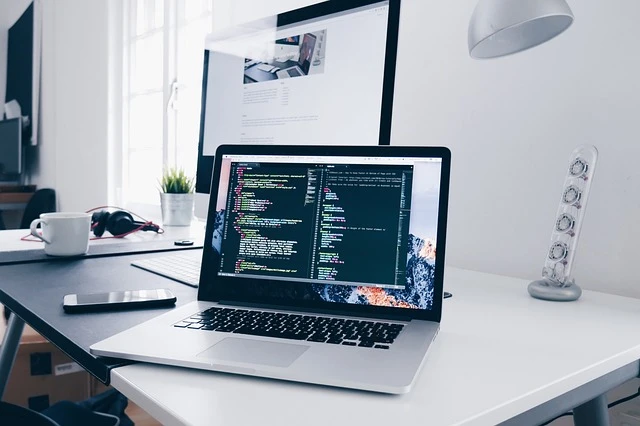

Every workspace tells a story, even before a single word is spoken. The way light filters into a meeting room, how chairs are arranged, or how quiet the atmosphere feels can dramatically influence how people think, feel, and perform. In today’s hybrid and high-paced world, workspace psychology has become a vital business consideration, not just a design choice.
According to a 2024 study by Steelcase, “89% of employees” said their work environment directly affects their mental wellbeing and daily performance. This connection between environment and behavior is precisely why businesses are rethinking how their offices function. A well-planned space like those offered by Worksation Business Centre combines design and psychology to create a productive, inspiring, and healthy workplace experience for all.
How Workspace Psychology Shapes Productivity and Employee Wellbeing
Workspace psychology is the science of understanding how physical surroundings influence human behavior. It combines insights from behavioral science, ergonomics, and organizational psychology to craft environments that naturally boost focus, creativity, and satisfaction. Modern flexible offices are increasingly designed with these principles in mind, allowing companies to prioritize both performance and mental health.
For businesses in the UAE, flexible workplaces provide the adaptability to create environments that suit evolving team dynamics. This agility ensures that workspaces remain both efficient and emotionally supportive two factors crucial to maintaining productivity in diverse teams.
Designing for Focus and Flow
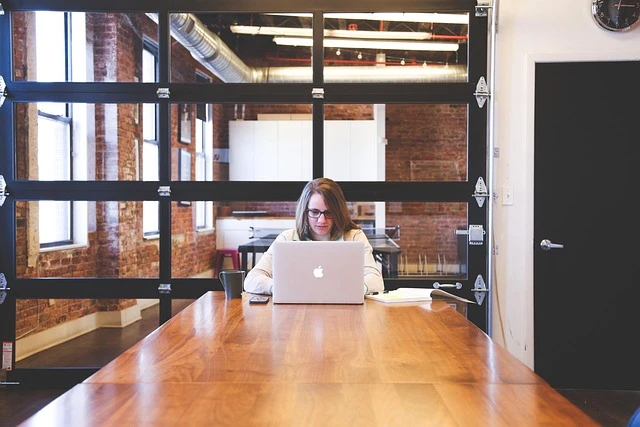
A workspace should promote deep concentration without stifling collaboration. Research by the Journal of Environmental Psychology found that “employees in well-zoned offices report 31% higher focus levels” compared to those in cluttered or noisy setups. This is why layout planning has shifted toward activity-based designs offering areas for focus, teamwork, and relaxation.
Private offices with good acoustics, minimal distractions, and ergonomic setups help professionals maintain flow, a psychological state where people feel immersed and productive. Similarly, coworking spaces that balance openness with quiet zones encourage interaction without overwhelming the senses.
The Emotional Power of Color and Lighting
Colors and lighting influence mood more than many realize. Bright, natural lighting reduces fatigue, while warmer tones evoke calm and comfort. According to the World Green Building Council’s 2023 report, “offices with optimized lighting saw a 23% increase in alertness and a 13% improvement in accuracy.”
In UAE offices, where sunlight is abundant, strategically using natural light can reduce stress and foster a sense of openness. Complementing this with neutral or brand-aligned color schemes enhances both focus and emotional harmony, making employees feel more at ease and valued.
Ergonomics and Mental Resilience
A healthy workspace is one that supports both body and mind. Poor ergonomics lead to physical discomfort, which in turn reduces motivation and cognitive function. A study by Haworth in 2022 found that “ergonomic improvements can boost productivity by up to 17%.”
Height-adjustable desks, supportive chairs, and proper screen placements may seem like small details, but their psychological impact is profound. Employees who feel physically supported tend to experience lower stress levels, greater satisfaction, and stronger loyalty to their workplace.
Social Connection and the Role of Space
Humans are social creatures. Workspaces that foster positive interactions can significantly enhance morale and teamwork. Common areas, breakout lounges, and collaborative corners act as psychological bridges, encouraging communication and trust among employees.
However, balance is key. Too much openness can create distractions, while overly isolated layouts can breed detachment. Flexible workspaces solve this by allowing businesses to adjust spatial arrangements as team needs evolve, keeping employees both connected and comfortable.
The Quiet Influence of Environmental Cues
Subtle design cues like plant placement, scent, and background sound all play roles in workspace psychology. Biophilic design, bringing elements of nature indoors, has been shown to reduce stress and improve wellbeing. A Human Spaces study revealed that “employees in offices with natural elements report 15% higher wellbeing scores.”
Incorporating greenery, soothing sounds, and clean air systems can transform an ordinary office into a rejuvenating environment that supports long-term focus. For teams working under pressure, these sensory improvements make the difference between burnout and balance.
Psychological Safety and the Office Environment
Beyond physical design, the sense of emotional security within a workspace profoundly impacts productivity. When employees feel psychologically safe, they’re more willing to share ideas, take risks, and collaborate. This culture starts with a well-designed office that encourages openness and mutual respect.
Meeting rooms designed for inclusivity, transparent layouts, and privacy options for sensitive discussions all contribute to building trust. Businesses that understand this link between design and safety create environments where creativity thrives naturally.
The Economic Impact of Wellbeing-Driven Design
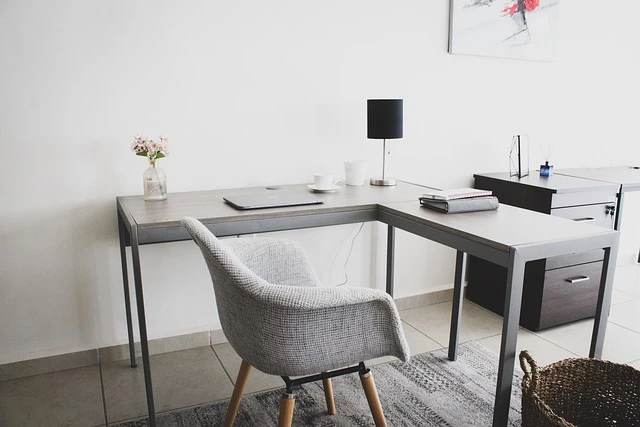
Investing in workspace psychology isn’t a luxury it’s a business strategy. Studies show that companies with wellness-focused offices experience “a 21% increase in profitability” and “a 41% reduction in absenteeism.” In Dubai’s competitive economy, where retention and talent acquisition are key challenges, such returns are invaluable.
Forward-thinking entrepreneurs now treat office design as part of their brand strategy. A well-designed space signals to clients and employees alike that the company values quality, balance, and growth, a perception that strengthens both reputation and results.
Conclusion
Workspace psychology is no longer just an architectural concern, it’s a performance multiplier. From lighting and layout to social zones and ergonomic choices, every element of office design shapes how employees think, feel, and deliver. When a workspace aligns with human needs, productivity becomes effortless and wellbeing becomes sustainable.
For UAE businesses competing in a fast-evolving landscape, adopting psychologically intelligent design is one of the smartest moves they can make. A workspace that nurtures both body and mind doesn’t just improve performance, it builds culture, loyalty, and long-term success.
FAQs
1. What is workspace psychology?
It’s the study of how physical environments influence human behavior, productivity, and mental wellbeing in the workplace.
2. How can office design improve focus and creativity?
By using:
- Proper lighting and ergonomic furniture
- Designated areas for collaboration and deep work
- Calming colors and biophilic elements
3. Why is workspace flexibility important for wellbeing?
Flexible layouts help employees adapt their surroundings to different work styles, reducing stress and increasing motivation.
4. Can small businesses benefit from workspace psychology?
Absolutely. Even simple changes, like decluttering, better lighting, and natural elements—can significantly boost morale and efficiency.
5. What are some signs a workspace needs redesigning?
Low engagement, frequent fatigue, lack of collaboration, and poor focus are key indicators that the environment needs improvement.





Sign in to leave a comment.