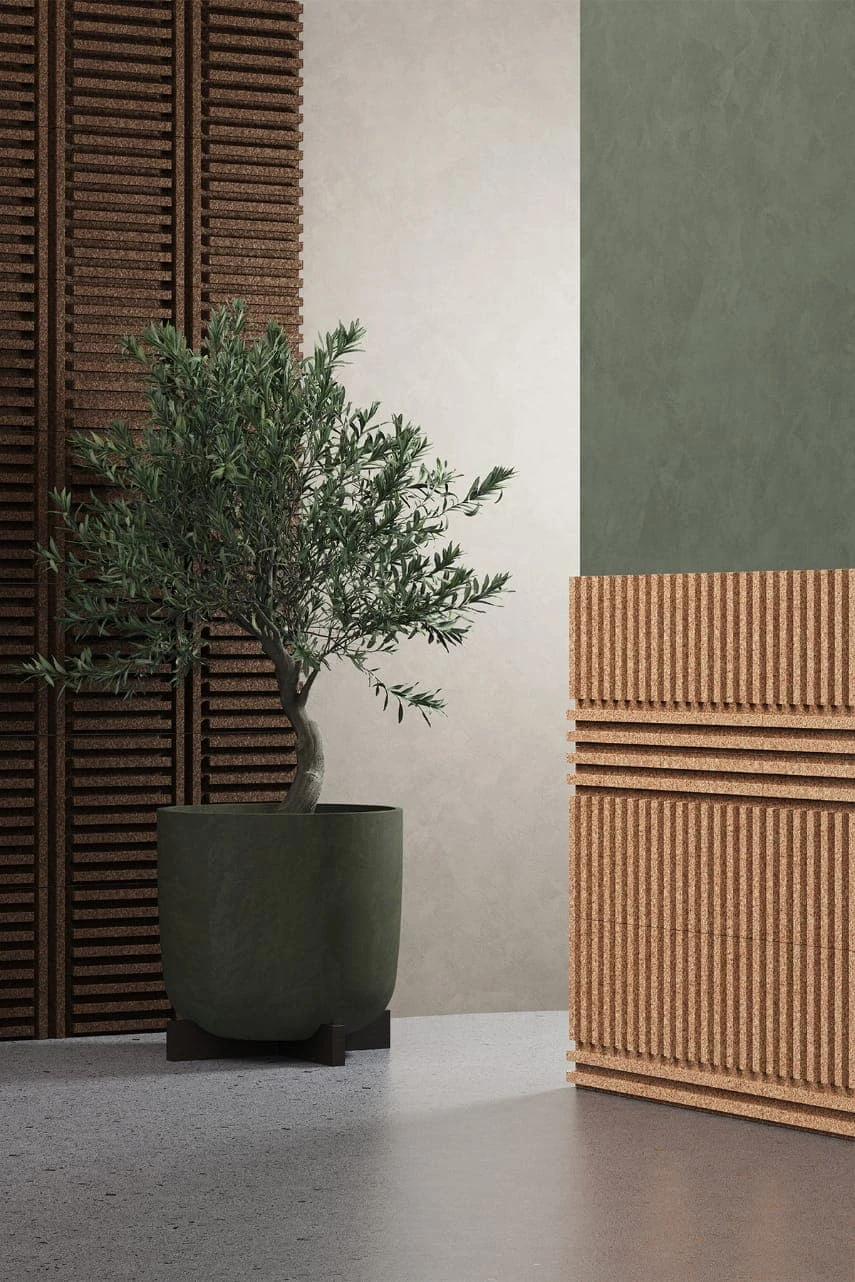

Interior spaces influence how people feel, think, and interact with their surroundings. Over the past few years, designers have increasingly embraced natural elements to improve indoor environments. One design approach that has gained significant attention is interior foliage design. This concept focuses on integrating plants and greenery into indoor spaces to create environments that are visually appealing, healthy, and calming.
Interior foliage design combines elements of interior design, horticulture, and environmental psychology. By carefully selecting, arranging, and maintaining plants within a building, designers can transform ordinary rooms into vibrant and refreshing spaces. Whether used in homes, offices, hotels, or commercial buildings, foliage design has the power to elevate both aesthetics and wellbeing.
Understanding Interior Foliage Design
Interior foliage design refers to the strategic use of living plants and greenery within indoor environments. It involves more than simply placing a few plants in a room. The process includes selecting suitable plant species, planning their placement, designing containers, and ensuring proper lighting and maintenance.
Designers consider several factors when creating foliage based interiors. These include the size of the space, the amount of natural light available, humidity levels, and the overall design style of the environment.
The goal is to create harmony between natural elements and architectural features. When executed properly, interior foliage design enhances visual appeal while also improving the quality of the indoor environment.
The Concept Behind Indoor Greenery
Plants have always been associated with life, freshness, and balance. Interior foliage design draws inspiration from nature and brings these qualities into indoor spaces.
This approach aligns closely with the concept of biophilic design. Biophilic design focuses on connecting people with nature within built environments. Indoor plants play a key role in this philosophy by introducing natural textures, colors, and organic shapes into interior spaces.
The presence of greenery can make interiors feel more welcoming and comfortable while reducing the sterile atmosphere often found in modern buildings.
Difference Between Basic Indoor Plants and Foliage Design
While many people keep houseplants for decoration, interior foliage design goes beyond casual plant placement.
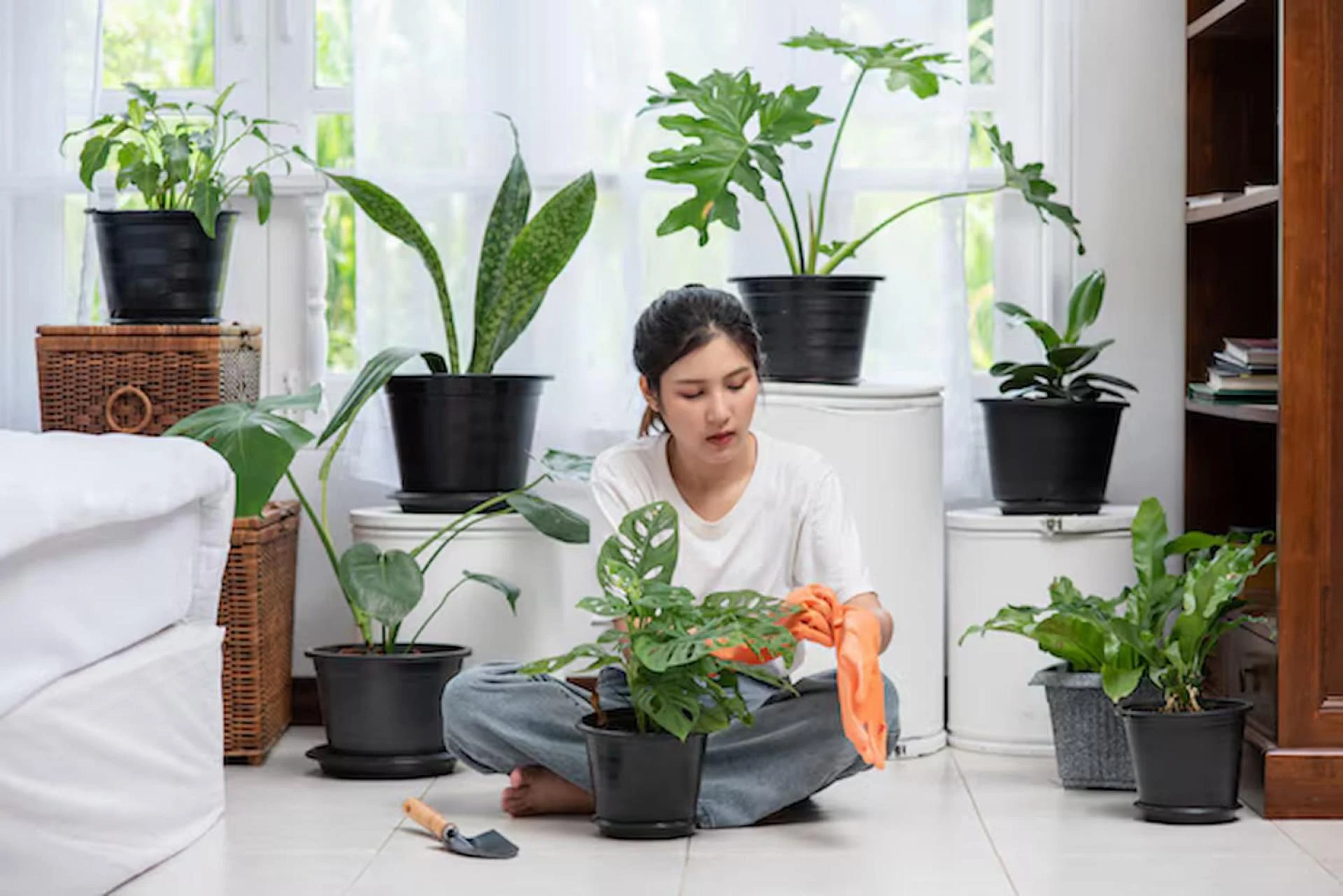
Basic indoor plant decoration may involve placing a few pots on shelves or window sills. In contrast, foliage design involves careful planning and professional design principles.
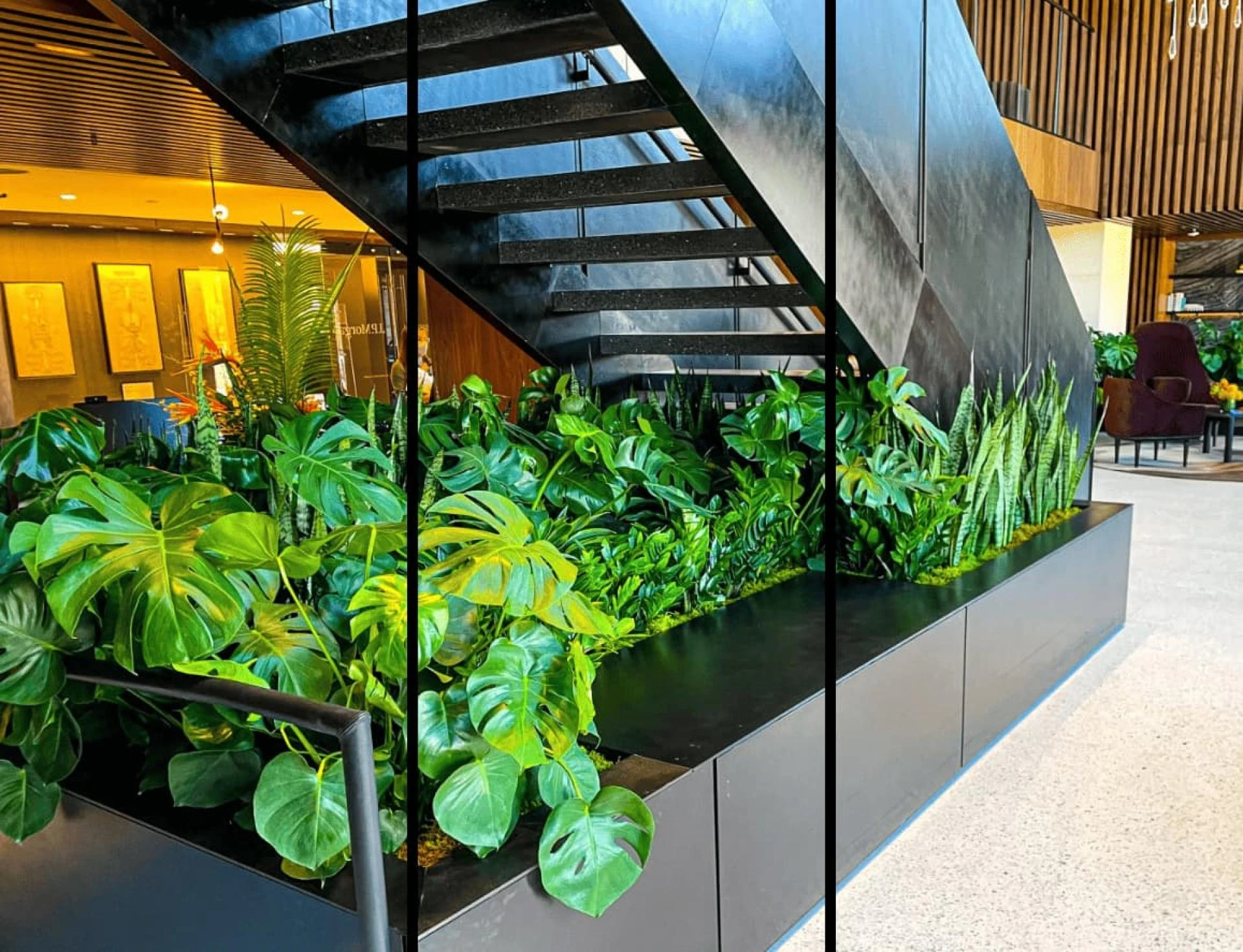
Interior foliage design may include living plant walls, suspended greenery, large statement plants, and coordinated plant groupings that complement furniture and architectural elements.
The result is a cohesive and thoughtfully designed environment rather than scattered plant decorations.
Benefits of Interior Foliage Design
Interior foliage design offers numerous advantages for both residential and commercial environments. These benefits extend beyond aesthetics and contribute to physical and psychological wellbeing.
Improved Air Quality
Plants naturally absorb carbon dioxide and release oxygen. Some plant species can also help remove certain airborne pollutants. By incorporating greenery indoors, interior foliage design can contribute to cleaner and fresher air.
Although plants alone cannot replace proper ventilation systems, they can still support a healthier indoor atmosphere.
Enhanced Mental Wellbeing
Studies suggest that being surrounded by greenery can reduce stress and improve mood. Interior foliage design creates calm and relaxing spaces that help people feel more comfortable and productive.
In workplaces, the presence of plants has been associated with improved focus and reduced mental fatigue.
Increased Productivity in Workspaces
Offices that incorporate greenery often experience improved employee satisfaction. Plants soften the environment, reduce visual fatigue, and make workspaces feel more inviting.
Interior foliage design can also help reduce noise levels because plant leaves absorb and diffuse sound.
Stronger Visual Appeal
Plants add texture, depth, and natural color to interiors. Designers often use greenery to soften hard surfaces such as glass, metal, and concrete.
Large foliage arrangements can serve as focal points in rooms, while smaller plants can complement furniture and decor elements.
Key Elements of Interior Foliage Design
A successful interior foliage design requires careful attention to several important factors. Designers must balance aesthetic goals with the practical needs of plants.
Plant Selection
Choosing the right plants is one of the most critical aspects of interior foliage design. Not all plants thrive indoors, especially in environments with limited sunlight.
Common indoor foliage plants include species that adapt well to indoor conditions and require minimal maintenance. Designers often choose plants based on leaf shape, color variation, and growth pattern.
Plants with large leaves can create bold visual statements, while smaller plants are often used to add subtle greenery to desks, shelves, and corners.
Lighting Considerations
Light plays a crucial role in plant health. Designers must evaluate how much natural or artificial light is available in the space.
Some plants require bright indirect light, while others thrive in low light environments. In spaces with limited sunlight, specialized grow lights may be used to support plant growth.
Proper lighting ensures that plants remain healthy and visually appealing over time.
Containers and Planters
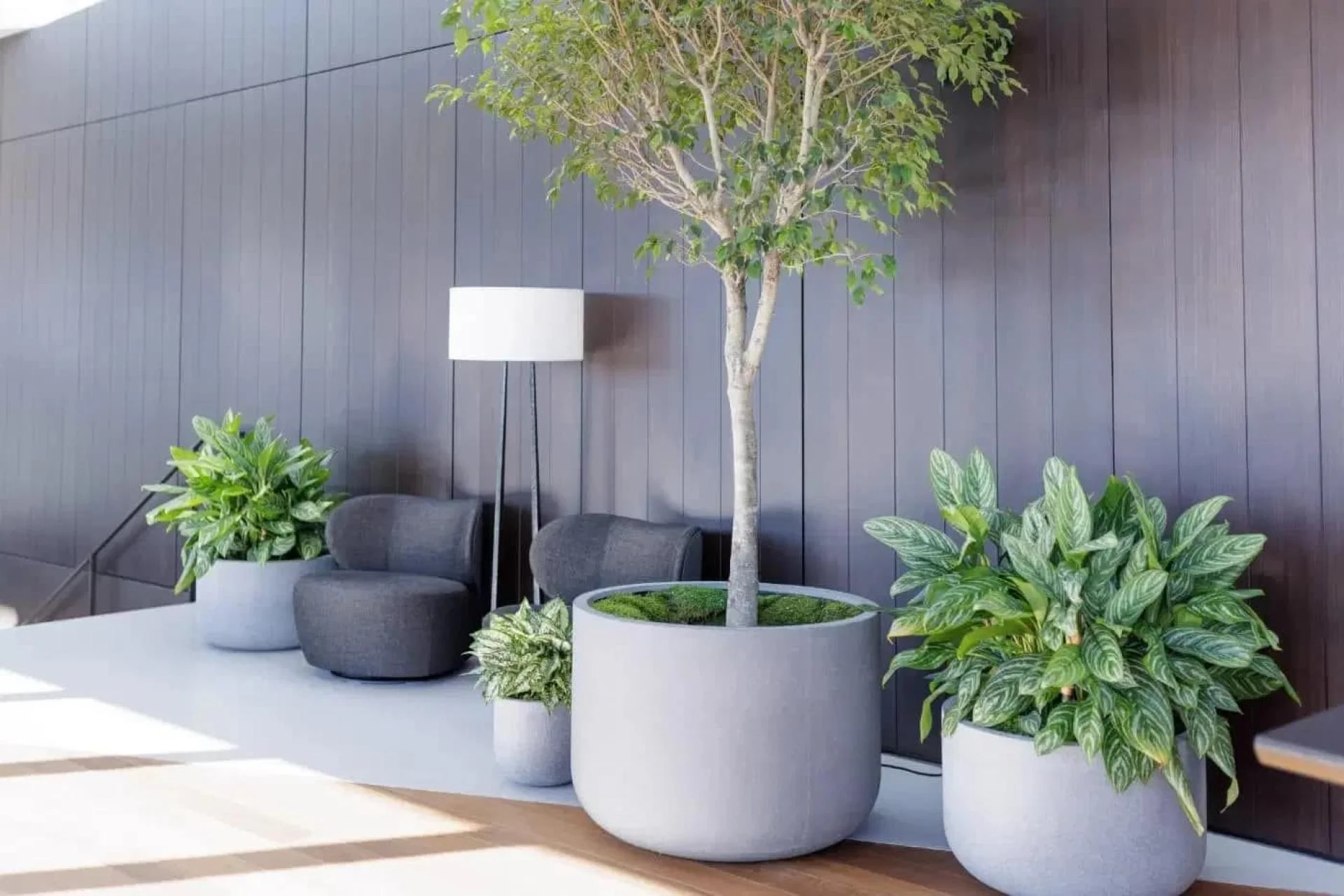
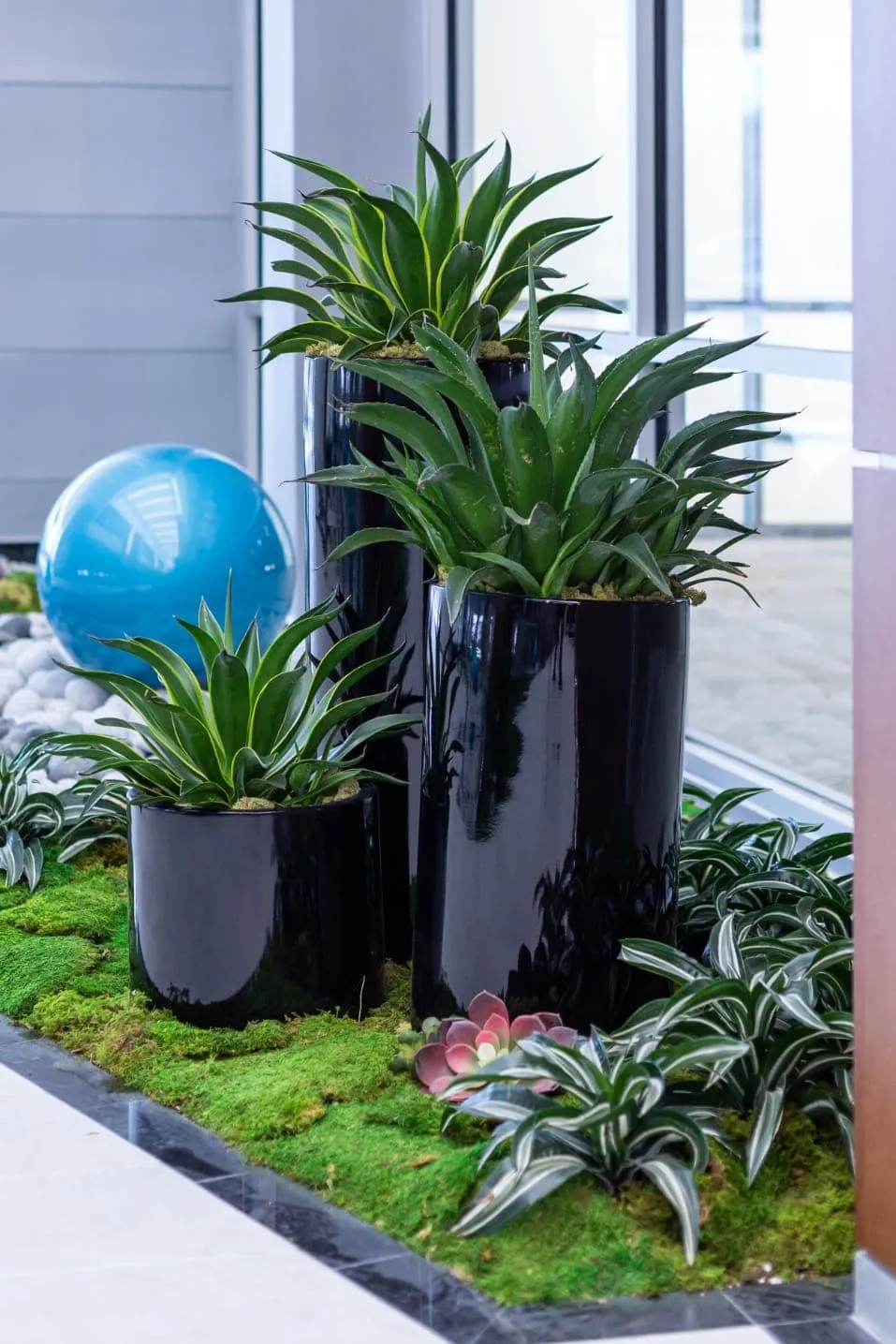
The containers used in interior foliage design contribute significantly to the overall aesthetic. Planters should complement the interior style of the space.
For example, minimalist interiors often feature sleek and modern containers, while rustic environments may use natural materials such as clay, wood, or woven baskets.
Planter size is also important. Containers must provide enough space for roots while maintaining visual balance within the room.
Spatial Placement
Plant placement is a key design consideration. Designers strategically position plants to enhance the layout and flow of a room.
Tall plants may be used to fill empty corners or create visual height. Medium sized plants can frame entryways or furniture areas. Smaller plants work well on shelves, tables, and countertops.
Careful placement ensures that plants enhance the environment without cluttering the space.
Popular Types of Interior Foliage Design
Interior foliage design can take many forms depending on the goals of the project and the characteristics of the space.
Living Green Walls
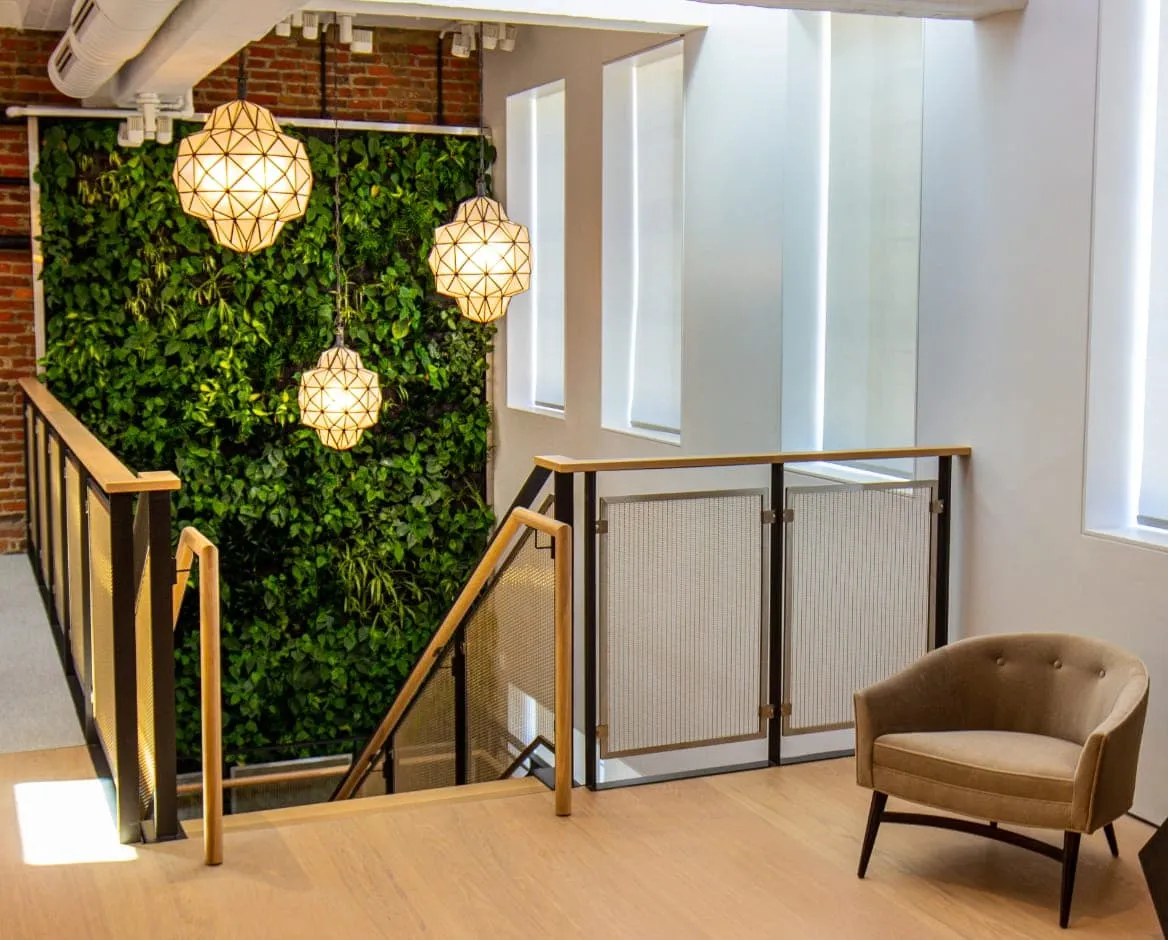
Green walls, also known as vertical gardens, are one of the most striking forms of interior foliage design. These installations cover walls with living plants arranged in structured patterns.
Green walls maximize greenery in limited spaces and often become a dramatic focal point within the room.
They are commonly found in corporate offices, hotels, shopping centers, and modern residential interiors.
Statement Plants
Large plants can function as natural sculptures within interior spaces. These plants are often placed in prominent areas such as entryways, lobbies, or living rooms.
Their size and structure draw attention while adding a sense of vitality to the environment.
Statement plants are often chosen for their bold leaves and impressive height.
Hanging Plant Displays
Suspended plants introduce greenery without occupying floor space. Hanging displays are ideal for small rooms, cafes, and creative workspaces.
These installations can add dimension to ceilings and create a layered design effect.
Tabletop and Shelf Arrangements
Smaller foliage arrangements are perfect for desks, tables, and shelves. These compact displays add subtle greenery while maintaining functionality.
Designers often group several plants together to create visual interest and variation.
Interior Foliage Design in Different Spaces
Interior foliage design can be adapted to suit many types of indoor environments.
Residential Interiors
In homes, plants bring warmth and life to living rooms, kitchens, bedrooms, and balconies. Homeowners often use foliage to create relaxing and comfortable living environments.
Indoor greenery can also serve as natural decor that changes and grows over time.
Office Environments
Many companies use interior foliage design to improve workplace environments. Plants can help reduce the sterile feel of corporate offices while promoting creativity and collaboration.
Reception areas, meeting rooms, and workstations often benefit from thoughtfully placed greenery.
Hospitality and Retail Spaces
Hotels, restaurants, and retail stores frequently incorporate foliage design to enhance customer experiences.
Greenery creates a welcoming atmosphere and can reinforce brand identity through unique plant installations.
Maintenance and Care
Interior foliage design does not end after installation. Plants require ongoing care to remain healthy and attractive.
Regular watering, pruning, and fertilization are necessary to maintain plant health. Designers must also monitor lighting conditions and adjust care routines as needed.
Professional maintenance services are often used in commercial environments to ensure that plant installations continue to thrive.
The Growing Popularity of Interior Foliage Design
The popularity of interior foliage design continues to grow as people seek healthier and more nature connected environments.
Urban lifestyles often limit access to outdoor greenery. Bringing plants indoors allows individuals to enjoy the benefits of nature even in dense city environments.
Advances in plant care technology, lighting systems, and sustainable design practices have also made foliage design more accessible and versatile.
As awareness of environmental wellbeing increases, interior foliage design is expected to remain an important element of modern interior architecture.
Conclusion
Interior foliage design is a powerful approach to transforming indoor environments through the thoughtful use of plants and greenery. By combining principles of design and horticulture, this method creates spaces that are visually appealing, relaxing, and supportive of human wellbeing.
From residential living rooms to corporate offices and hospitality venues, interior foliage design offers countless possibilities for enhancing interior spaces. When properly planned and maintained, plant based interiors provide long lasting beauty and environmental benefits.
For those seeking professional guidance in creating vibrant and functional indoor plant environments, Interior Plantscapes offers expertise in designing and maintaining exceptional interior foliage installations.
























Sign in to leave a comment.