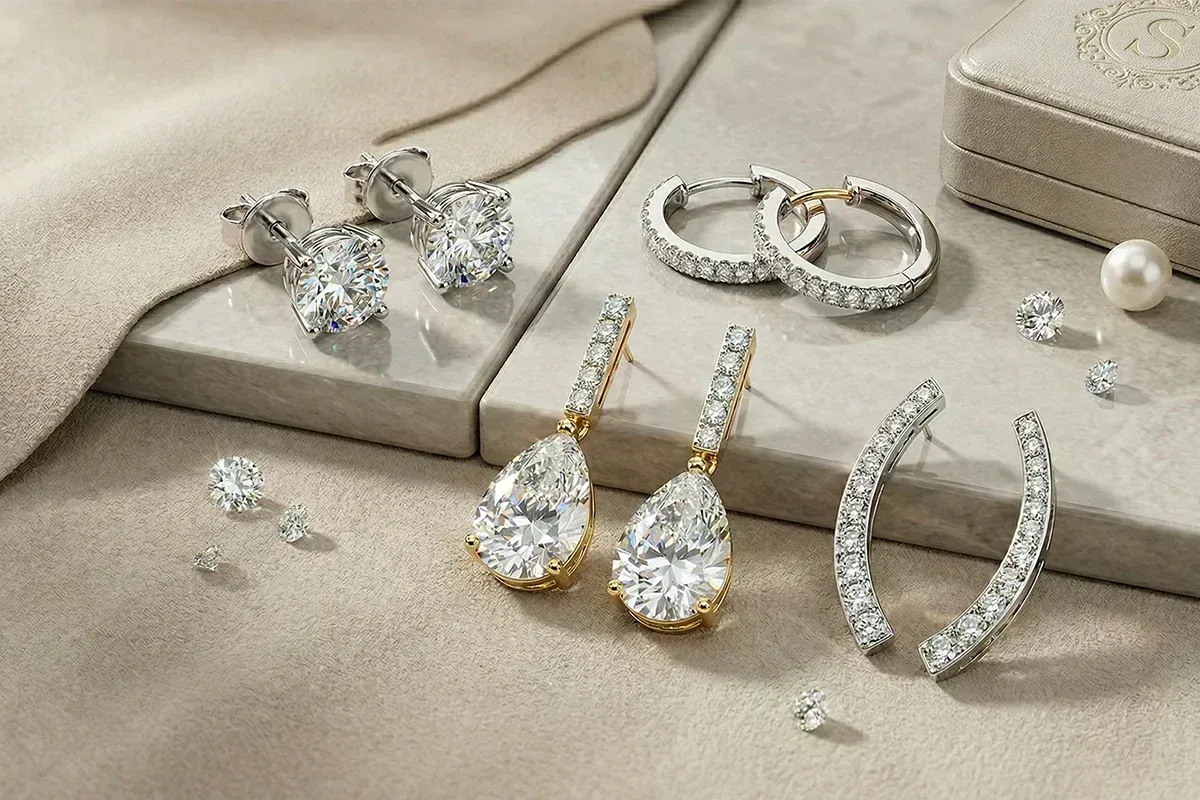

Diamonds no longer come only from deep underground mines. Modern technology allows scientists to grow real diamonds inside controlled facilities. These stones share the same chemical makeup and crystal structure as natural diamonds. They also display the same sparkle hardness and durability. When you begin shopping you will often see different production methods. Knowing what these methods mean helps you compare diamonds fairly instead of relying on labels alone. One of the most common choices today is lab created diamonds. They offer buyers a genuine diamond with more options in size quality and price.
What Are HPHT Diamonds?
HPHT stands for High Pressure High Temperature. This process recreates the extreme hpht diamonds conditions found deep inside the Earth where natural diamonds form over millions of years. Manufacturers place a tiny diamond seed inside specialised equipment. Carbon surrounds the seed while the machine applies intense pressure and heat. The carbon slowly crystallises around the seed until a larger diamond develops. The result is a real diamond rather than a substitute. It has the same hardness optical properties and chemical composition as a mined diamond. The process has improved greatly over the years. Modern equipment produces high-quality stones suitable for engagement rings earrings pendants and other fine jewellery.
How the HPHT Process Works
The production follows several clear steps.
- A small diamond seed is selected.
- The seed is placed inside a growth chamber.
- Extreme heat and pressure encourage carbon atoms to bond.
- The crystal grows over several days or weeks.
- The finished diamond is cut polished and graded.
Each stage requires careful control. Small changes in temperature or pressure can affect the final crystal. Example: A manufacturer may grow a rough diamond over several weeks before sending it to expert cutters for shaping and polishing.
How HPHT Differs from CVD
The two leading production methods are HPHT and Chemical Vapour Deposition or CVD. HPHT relies on intense heat and pressure. CVD grows diamonds inside a vacuum chamber where carbon-rich gas forms layers on a diamond seed. Both methods create genuine diamonds. Neither process creates fake stones. The differences usually involve manufacturing techniques rather than appearance. After cutting and polishing many buyers cannot tell how a diamond was produced without specialised testing.
Quality and Appearance
Diamond quality depends on more than its growth method. Professionals evaluate diamonds using the well-known Four Cs.
- Cut
- Colour
- Clarity
- Carat weight
A well-cut diamond often appears brighter than a larger stone with poor proportions. Some HPHT diamonds naturally develop slight colour tints during growth. Modern treatment methods allow manufacturers to produce colourless or near-colourless stones with excellent visual appeal. Clarity also varies from one diamond to another. Some contain tiny internal features while others appear almost flawless under magnification.
Durability and Everyday Wear
Diamonds remain the hardest known natural material regardless of how they were lab created diamonds created. This makes them suitable for daily jewellery. You can confidently wear them in:
- Engagement rings
- Wedding bands
- Bracelets
- Earrings
- Necklaces
Normal care still matters. Store jewellery separately to reduce scratches on other gemstones. Clean diamonds regularly with warm water mild soap and a soft brush.
Certification Matters
Always look for an independent grading report. Respected laboratories examine important characteristics including:
- Colour grade
- Clarity grade
- Cut quality
- Measurements
- Carat weight
The report helps you compare stones using objective standards instead of marketing claims. It also increases confidence during your purchase.
Price and Value
Price differences depend on several factors. These include:
- Size
- Colour
- Clarity
- Cut quality
- Market demand
Many buyers choose lab created diamonds because they often cost less than comparable mined diamonds while offering similar visual beauty. Lower prices also allow buyers to select a larger or higher-quality stone within the same budget. Example: Instead of choosing a smaller diamond you may find a larger stone with stronger clarity while spending the same amount.
Environmental and Ethical Considerations
Many shoppers also think about how their jewellery is produced. Laboratory production removes the need for traditional mining. That can reduce land disruption associated with extracting natural diamonds. Energy use still varies between manufacturers. Some facilities operate with renewable electricity while others rely on different energy sources. If sustainability matters to you ask the retailer about their manufacturing practices and energy policies.
How to Choose the Right Diamond
Do not focus only on the production method. Look at the complete picture. Ask yourself these questions.
- What is your budget?
- Which shape do you prefer?
- How important is colour?
- Do you want maximum sparkle?
- Will the diamond be worn every day?
Then compare grading reports before making a decision. A beautiful diamond combines strong cut quality balanced proportions and good craftsmanship.
Common Misunderstandings
Several myths continue to confuse buyers. Myth: Laboratory diamonds are fake. Reality: They are genuine diamonds with the same crystal structure as mined stones. Myth: They wear out faster. Reality: They have the same hardness and durability. Myth: Every laboratory diamond looks identical. Reality: Each diamond develops unique characteristics during growth and cutting. Understanding these facts helps you evaluate jewellery based on quality rather than assumptions.
Buying with Confidence
Buying a diamond becomes much easier when you understand the manufacturing process and grading standards. Compare certificates instead of relying only on appearance. Inspect the cut carefully because it has the greatest impact on brilliance. Choose a trusted retailer that explains grading clearly and answers your questions honestly. With the right information you can select a diamond that matches your budget style and long-term expectations.
Frequently Asked Questions
Are HPHT diamonds real diamonds?
Yes. They have the same chemical composition crystal structure and hardness as mined diamonds.
Can you tell the difference between HPHT and natural diamonds?
Not with the naked eye. Specialised laboratory equipment is normally required to identify how a diamond was grown.
Which is better, HPHT or CVD?
Neither method is automatically better. Quality depends on the individual diamond's cut colour clarity and overall craftsmanship rather than the growth process alone.

























Sign in to leave a comment.