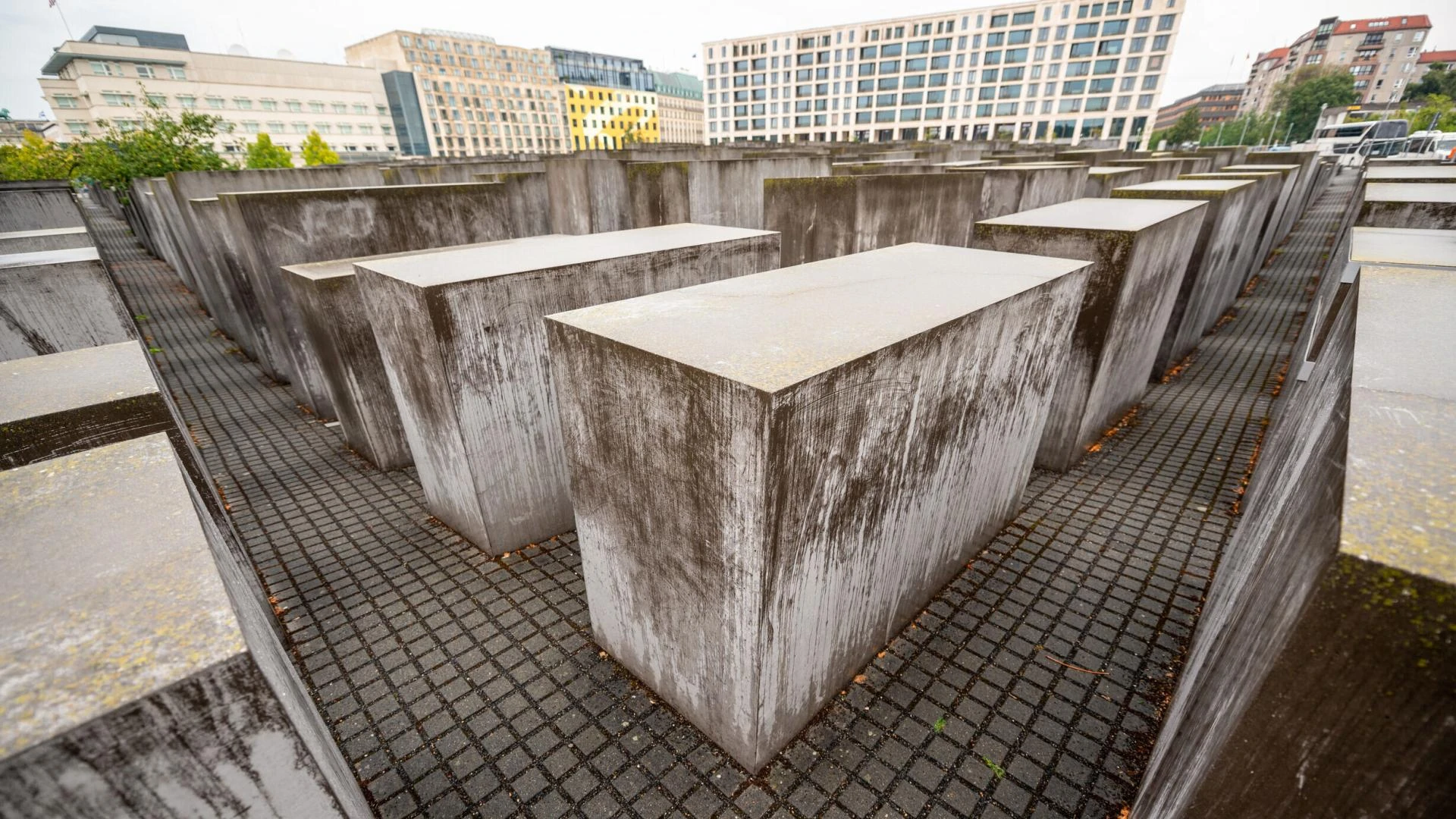

Let’s take a look at hull formwork in the UK—how builders tackle it, what materials they use, and what actually keeps the process running smoothly on site.
In Britain’s busy construction world, getting the concrete work just right makes or breaks the project. Hull formwork is a key technique for shaping concrete, especially when you’re dealing with tricky curves or big infrastructure jobs. It’s all about creating the stable, accurate moulds that let you end up with a clean, precise finish—something civil engineers and commercial developers are all after.
So, what is hull formwork? In simple terms, it’s those temporary or permanent moulds that hold the concrete until it’s strong enough to stand on its own. Think of the “hull” as the shell that decides what the final shape looks like. Unlike the usual formwork you see with flat walls and columns, hull formwork is the go-to for weird angles, curves, or custom shapes.
Here in the UK, where designers love pushing boundaries and regulations are pretty strict, this method demands know-how about load-bearing and material strength. The mould has to handle all the pressure from the wet concrete, so everything sticks to the engineer’s specs—no room for mistakes.
Picking the right materials is crucial. If you want flexibility or you’re only making a few pieces, timber and plywood are solid bets. Steel or metal systems are best when you need toughness and plan to use the formwork again and again. Composite materials are catching on for those complex curves since they can be shaped precisely. The type of material also affects the final look—any flaws in the mould show up in the finished concrete, so getting things perfect beforehand is a must, especially if the surface is meant to be seen.
Site management in the UK isn’t just about getting materials together; it’s about planning every detail. Before pouring starts, teams check the moulds inside out—everything from alignment to the strength of the ties and braces. Release agents get coated on so the concrete doesn’t stick where it’s not supposed to. Weather’s a headache too; rain, cold, and humidity can mess with the concrete’s setting or make timber warp, so managers have to stay on top of quality control to keep everything within spec.
Safety always comes first. Setting up or taking apart hull formwork is risky, so designs include safe walkways, strong support, and clear steps for dismantling—it’s got to protect everyone on site. Tech is making things easier, though. With Building Information Modelling (BIM), teams can map out the formwork digitally before they touch anything physical. This helps spot problems early, smooths out the process, and cuts down on wasted materials.
At the end of the day, hull formwork is a backbone of construction in the UK. It turns big ideas into solid structures—whether you’re building a simple shell or something modern and wild. Success comes down to good materials, careful engineering, and a big commitment to safety. Even as the industry shifts towards more digital methods and greener practices, hull formwork is still at the heart of creating sturdy, top-quality buildings and infrastructure all around the country.



























Sign in to leave a comment.