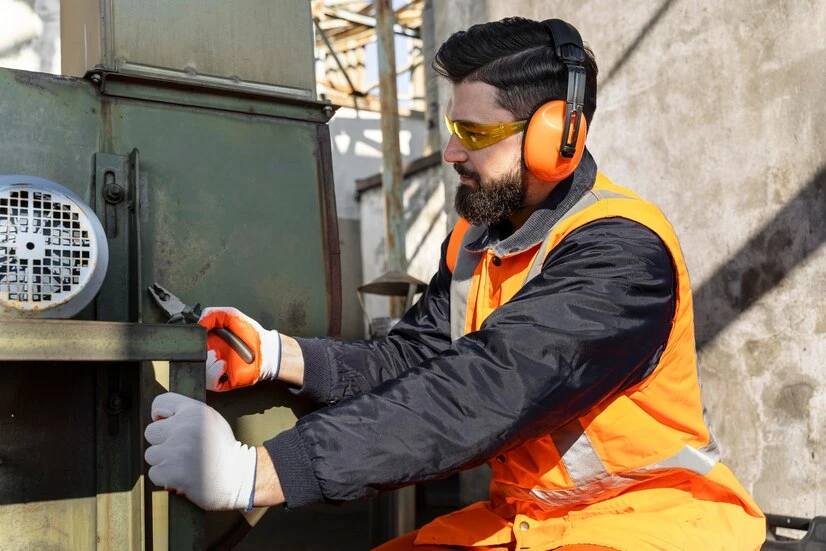

Ensuring efficient heating and cooling within homes is not only essential for comfort but also for maintaining a healthy living environment. One critical aspect of achieving this efficiency is conducting thorough HVAC inspections. In this comprehensive guide, we will explore valuable HVAC inspection tips aimed at enhancing home health and comfort, with a focus on optimizing heating and cooling systems to create a conducive indoor environment.
Understanding the Importance of HVAC Inspections
The Significance of Home Health Inspections
Home health inspection encompass various aspects, including assessing indoor air quality, identifying potential hazards, and optimizing systems such as HVAC for enhanced comfort and well-being.
Impact of HVAC Systems on Indoor Environment
HVAC systems play a pivotal role in regulating indoor temperature, humidity levels, and air quality. Regular inspections ensure these systems operate efficiently, promoting a healthier and more comfortable living environment.
Pre-Inspection Preparation
Gathering Necessary Equipment
Before commencing an HVAC inspection, it's essential to gather the necessary tools and equipment, including thermometers, air quality monitors, and flashlight, to facilitate a comprehensive assessment.
Reviewing System Documentation
Reviewing the documentation related to the HVAC system, including manuals and maintenance records, provides valuable insights into past servicing and potential issues.
Conducting a Comprehensive HVAC Inspection
Checking Air Filters
Dirty or clogged air filters can impede airflow and strain the HVAC system. Regularly inspecting and replacing air filters ensure optimal performance and air quality.
Assessing Ductwork and Vents
Inspecting ductwork and vents for leaks, blockages, or damage is crucial for efficient air distribution throughout the home. Addressing any issues identified during the inspection can improve heating and cooling efficiency.
Examining Thermostat Settings
Ensuring the thermostat is calibrated correctly and programmed for optimal heating and cooling cycles helps maintain comfortable indoor temperatures while minimizing energy consumption.
Evaluating Refrigerant Levels
In the case of air conditioning systems, checking refrigerant levels is essential for efficient cooling. Low refrigerant levels can indicate leaks or other underlying issues that require attention.
Inspecting Outdoor Units
Outdoor HVAC units, such as condenser units for air conditioners, should be inspected for debris buildup, vegetation encroachment, and proper airflow to prevent system malfunctions.
Testing Safety Controls
Testing safety controls, such as pressure switches and limit switches, helps ensure the HVAC system operates safely and efficiently, reducing the risk of malfunctions or hazards.
Addressing Common HVAC Issues
Leaks and Refrigerant Loss
Identifying and repairing refrigerant leaks is critical for maintaining optimal cooling performance and preventing further damage to the HVAC system.
Duct Leaks and Insulation
Sealing duct leaks and ensuring proper insulation minimizes energy losses and improves the efficiency of heating and cooling systems.
Cleaning and Maintenance
Regular cleaning and maintenance of HVAC components, including coils, fans, and motors, prevent dirt and debris buildup, prolonging the lifespan of the system and optimizing performance.
Integrating Smart Technologies for Enhanced Efficiency
Smart Thermostats
Installing smart thermostats allows for remote temperature control and automated scheduling, optimizing energy usage and enhancing comfort levels within the home.
Air Quality Monitoring Systems
Integrating air quality monitoring systems provides real-time data on indoor air quality parameters, enabling homeowners to take proactive measures to improve air quality and overall health.
Professional HVAC Inspections vs. DIY Approach
Benefits of Professional Inspections
Professional HVAC inspections offer expertise, thoroughness, and access to specialized equipment, ensuring comprehensive assessment and timely identification of issues.
DIY Inspection Tips
While professional inspections are recommended periodically, homeowners can perform routine DIY inspections to monitor system performance and address minor issues promptly.
Conclusion
Efficient heating and cooling systems are integral to maintaining a healthy and comfortable home environment. By adhering to HVAC inspection tips outlined in this guide, homeowners can ensure optimal performance, energy efficiency, and indoor air quality. Whether through regular DIY inspections or professional assessments, prioritizing the maintenance of HVAC systems contributes to enhanced home health and overall well-being.





























Sign in to leave a comment.